
Same-day & Next-day Delivery

Quality Guaranteed

Unlock Your Welcome Offers: FREE Delivery | Up to 80% OFF | Free 30-day JoyPlus trial
Download the APP
Looking to buy gyoza for a quick meal, snack or get-together? The choice might seem simple, but products can vary considerably in their filling, size, cooking method and allergens. A bag of Japanese dumplings is not necessarily the same as Chinese dumplings, wontons or Korean mandu.
The most common buying mistakes come down to three things:
A few checks before you buy will make it easier to find frozen gyoza that suits your household, cooking time and taste.
Always check the ingredients list. As well as the main filling, many Asian dumplings contain wheat, soya and sesame. Prawn varieties often also contain crustaceans, fish, egg or sulphites.
Examples from the range:
If you have an allergy, always read the packaging. Product information can change, and cross-contamination is not listed in the same way for every product.
A 500–600 g pack is often handy for one meal. For a family, stocking up or sharing with guests, a multipack may be a better option. Check the number of pieces as well as the weight:
IQF means individually quick frozen. This can be useful if you don’t want to cook the whole bag at once. Check that the dumplings in your pack can be separated easily.
Frying gyoza usually gives you a crispy base. For many products, frying followed by a short steam works well: heat the oil, fry the dumplings from frozen, add water and cover the pan.
Steaming gyoza works well for products with thin or delicate wrappers. Cooking times vary by product. According to the product information, KHY Shrimp Gyoza can be steamed at 100 °C for about five minutes. Mooijer Ha Kau Shrimp Dumplings take eight to ten minutes.
Keep these practical tips in mind:
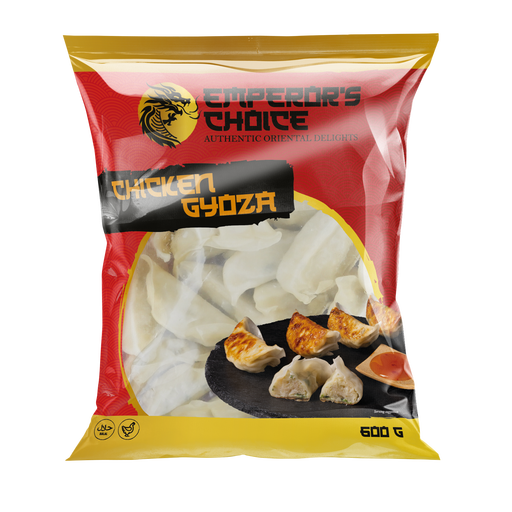
Why it suits this shopper: A manageable pack for anyone trying Japanese dumplings for the first time and keen to try different cooking methods.
The product information specifies 600 g, chicken and vegetables, plus instructions for frying, deep-frying, boiling and steaming. That makes the preparation method clear before you buy.
Chicken filling with cabbage, onion and leek; can be cooked from frozen; allergens are wheat, soya and sesame.
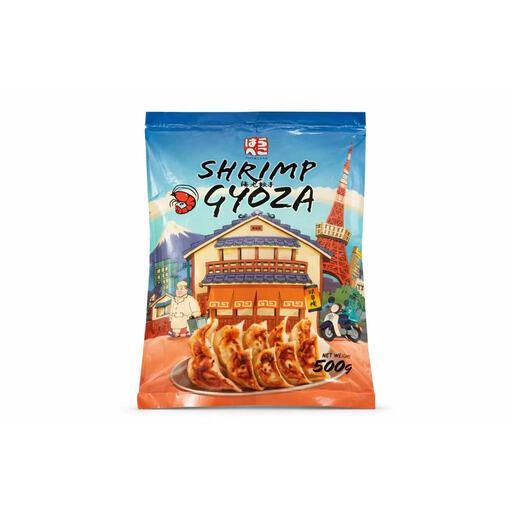
Why it suits this shopper: A good choice if you’re after a prawn variety with several cooking options for a meal or get-together.
The pack clearly lists frying, deep-frying and steaming, with instructions for cooking without defrosting.
500 g of prawn dumplings with cabbage, onion, ginger and chives; allergens are prawns, soya and wheat.
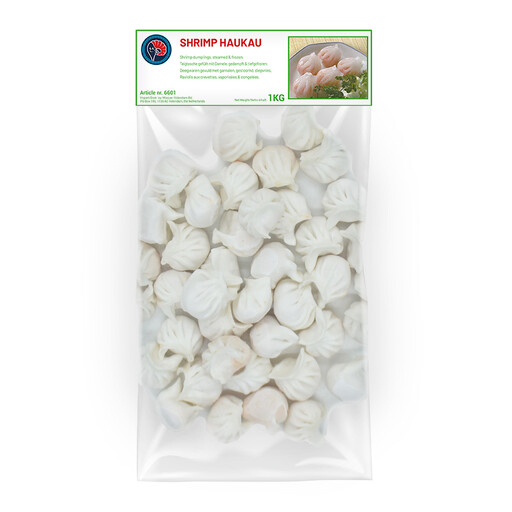
Why it suits this shopper: A generous pack for households, get-togethers or anyone who regularly serves steamed Asian dumplings.
The pack size makes it easy to plan your freezer stock: 1 kg. The product description specifically mentions steaming and IQF packaging.
Prawn filling in an individually quick-frozen pack; suitable for steamed dishes; allergens are crustaceans, gluten, sesame and soya.
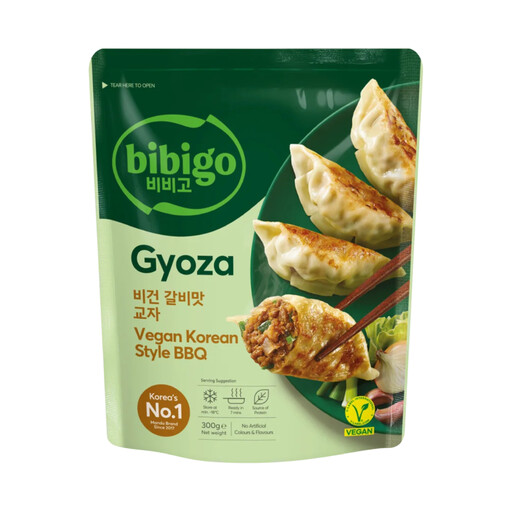
Why it suits this shopper: A compact plant-based option with Korean seasoning for a quick meal or snack.
The product description confirms it’s vegan and gives separate instructions for steaming and frying.
300 g with cabbage, onion, spring onion, wheat gluten and soya sauce; according to the product information, ready in about seven minutes.
We’ve put together a complete, up-to-date list of products that meet these strict selection criteria and current European safety regulations.
For a crispy base, follow these simple steps:
To steam gyoza, place the dumplings straight into a steamer basket over boiling water. Follow the temperature and cooking time on the packaging. The filling in soup dumplings can be very hot, so leave them to cool briefly before eating.
Store the products at the temperature stated on the packaging and follow the use-by date. Many varieties need to be kept at -18 °C or below. Once defrosted, keep them chilled and use them within the stated time. Refreezing is not recommended.
Often, yes. The cooking instructions for products including chicken and prawn gyoza say they can be fried, deep-fried or steamed without defrosting. Always check the packaging, as cooking times and temperatures vary.
Gyoza usually refers to Japanese dumplings with a relatively thin wrapper, often filled with meat, prawns or vegetables. Chinese dumplings, wontons, Korean mandu and ha kau may have a different shape, wrapper or filling. So check the ingredients and cooking instructions, not just the name.
