
Same-day & Next-day Delivery

Quality Guaranteed

Unlock Your Welcome Offers: FREE Delivery | Up to 80% OFF | Free 30-day JoyPlus trial
Download the APP
If you want to buy gyoza, but find yourself faced with lots of similar-looking bags of Japanese dumplings and Asian dumplings, the differences aren't always obvious from the front of the pack. A low price might simply reflect a large pack size, while a small bag could work out relatively expensive per portion. Likewise, terms like "authentic", "premium" or "ready in 7 minutes" don't automatically tell you anything about the filling, allergens or cooking method.
So, look out for three common pitfalls:
The filling doesn't just determine the flavour – it also dictates which meal it works best with.
For example: the KHY Chicken Gyoza lists chicken and vegetables as the filling, but also contains wheat and soya. The bibigo Korean BBQ Gyoza is described as vegan in the product information and includes cabbage, onion, spring onion, wheat gluten and soya sauce.
Frozen gyoza usually don't need to be defrosted first. This stops the dough from going soft and sticking together. Always follow the instructions on the pack.
For pan-frying gyoza, a combination of frying and steaming works well:
For KHY Chicken Gyoza and KHY Shrimp Gyoza, the product information recommends this method with roughly two minutes of frying, two minutes of steaming with the lid on, and about one minute without the lid. The cooking times given are guidelines; the temperature of your pan and the number of dumplings will affect the result.
For steaming gyoza, no oil is needed. Ben's Crystal Shrimp Dumplings are steamed for about seven minutes at 96 °C, according to the product information. Mooijer Ha Kau Shrimp Dumplings have a steaming time of around eight to ten minutes. Ha kau dumplings typically have a different, translucent dough and are primarily intended for steaming.
Frozen products must stay frozen until you're ready to cook them. Store them at the temperature stated on the pack and never refreeze a product once it has thawed. If the product has defrosted, keep it chilled and use it within the time stated on the label.
Also pay attention to:
The information on this page is based on the available product descriptions. If you have any allergies, always check the current label, as recipes or packaging can change.
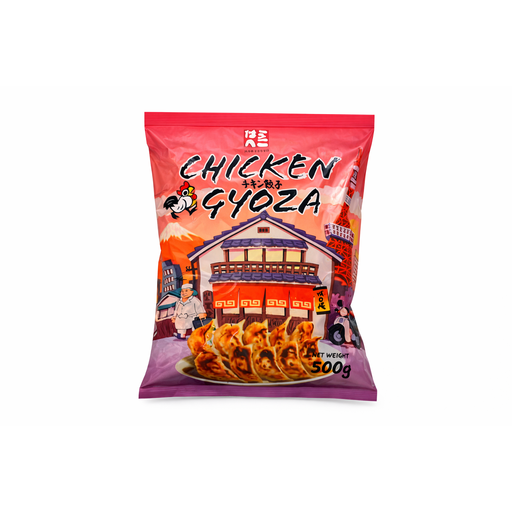
Why this fits the profile: A straightforward pack for anyone trying chicken gyoza for the first time without committing to a multipack.
The weight is clearly stated and the product information gives specific guidelines for frying, deep-frying and steaming.
500 g; chicken and vegetable filling; can be cooked from frozen.
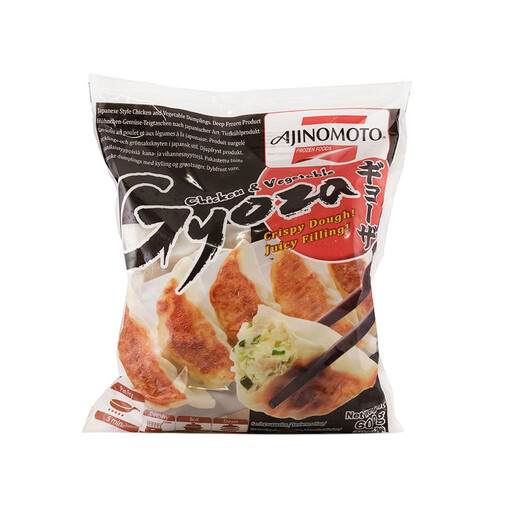
Why this fits the profile: Ideal for anyone wanting a larger pack with multiple cooking options for meals or side dishes.
The product information states the weight, the chicken and vegetable filling, and various cooking options. Always check allergens on the pack.
600 g; chicken with vegetables; according to the product information, suitable for steaming, frying, boiling or deep-frying.
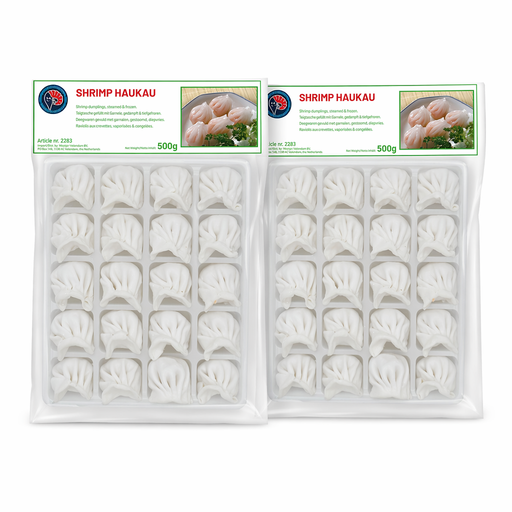
Why this fits the profile: A bulk pack for households that regularly serve dim sum, ha kau or steamed Asian dumplings.
The cooking method is specific: steam from frozen for around eight to ten minutes. This makes it clear that frying is not the standard method.
2 × 500 g; prawn filling; suitable for steaming; according to the product information, contains shellfish, fish, gluten, sesame and soya.
We've put together a full, up-to-date list of products that fully meet these strict selection criteria and comply with current European safety regulations.
When ordering gyoza online, the cold chain is crucial. The product information for several items states that they are stored, packed and transported chilled. On receipt, check that the packaging is still properly sealed and that the product is frozen. If in doubt, contact the seller and follow the instructions on the label.
Also plan your order around the delivery time. Put the dumplings in the freezer as soon as possible after they arrive, and don't leave them sitting at room temperature any longer than necessary.
Gyoza are Japanese dumplings, usually with a thin dough and a filling of meat, vegetables or a plant-based alternative. The term "Asian dumplings" is broader. Ha kau dumplings, for example, are Chinese dim sum with a different, often translucent dough, and are typically steamed.
Yes, many frozen gyoza can go straight from the freezer into the pan. When frying, you usually need to add water and cover the pan so the filling cooks through. Always check the cooking instructions for the specific product.
Store them frozen at the temperature stated on the pack and pay attention to the best-before date. Once thawed, keep the product chilled and use it within the time stated on the label. Do not refreeze thawed dumplings.
