
Livraison le jour même et le lendemain

Qualité garantie

Débloquez vos offres de bienvenue: Livraison GRATUITE | Jusqu'à -80 % | 30 jours d'essai gratuits à JoyPlus
Téléchargez l'application
Would you like to buy gyoza for a quick snack, a side dish or a hotpot evening? You’ll find plenty of varieties in the frozen aisle, from chicken gyoza and pork gyoza to prawn gyoza and vegan gyoza. The packaging often looks appealing, but it doesn’t always tell you enough about the contents, preparation or allergens.
This practical checklist helps you compare frozen gyoza using reliable product information. That way, you can avoid a disappointing purchase and choose a pack that suits your household and cooking style.
Japanese dumplings, gyoza dumplings and Korean dumplings are sometimes used interchangeably. The name doesn’t always tell you how much chicken, pork, beef or prawn the product contains. So check the ingredients list and the order in which the ingredients are listed.
For example, Ajinomoto Pork Dumplings list 19% pork, alongside vegetables, pork fat and wheat flour. Ajinomoto Beef Dumplings contain 24% beef. This gives you more useful information than terms such as ‘authentic flavour’ or ‘generous filling’.
A product may be suitable for pan-frying, steaming and deep-frying, but cooking times and quantities vary by brand. If you thaw frozen gyoza first, the wrappers may become softer. So follow the instructions on the packaging and, in most cases, cook the product straight from frozen.
Pay particular attention to the difference between:
Many gyoza contain wheat or gluten, soya and sesame. Prawn gyoza also contain crustaceans. Always read the label again when buying a product you’ve purchased before, as recipes and packaging can change.
For example, KHY Chicken Gyoza lists wheat and soya as allergens. KHY Shrimp Gyoza lists prawns, soya and wheat, among other ingredients. The ingredients in bibigo Korean BBQ Gyoza Vegan include wheat, soya and sesame. ‘Vegan’ therefore doesn’t automatically mean free from common allergens.
Don’t just compare the price per bag; also check the total weight and number of pieces. A 300 g pack can be convenient for one meal or for trying different flavours. A multipack of 3 x 500 g is better suited to families, regular gyoza eaters or a larger hotpot meal.
Also check that you have enough freezer space. Frozen products must be stored frozen according to the product information. A freezer packed completely full, with no room for air circulation, is less practical than a well-organised supply.
Look at the main ingredients and the nutritional values per 100 grams. KHY Chicken Gyoza lists 147 kcal, 2.8 g fat, 21.9 g carbohydrates and 7.16 g protein per 100 grams. KHY Shrimp Gyoza lists 169 kcal, 5.5 g fat and 7.3 g protein per 100 grams.
Use this information to compare products with one another, rather than as a medical assessment. Also look out for flavourings such as soya sauce, sesame oil and flavour enhancers if you want to limit the ingredients in your diet.
The instructions can help determine which product is right for you. According to the product information, KHY Chicken Gyoza can be pan-fried, deep-fried or steamed. For pan-frying, you first use oil for around two minutes, then add water and cook briefly with the lid on. KHY Shrimp Gyoza follows a similar method.
For bibigo Korean BBQ Gyoza Vegan, pan-frying takes around seven minutes. According to the stated instructions, steaming takes approximately eight minutes. Always check the current packaging, as the information on the product takes precedence.
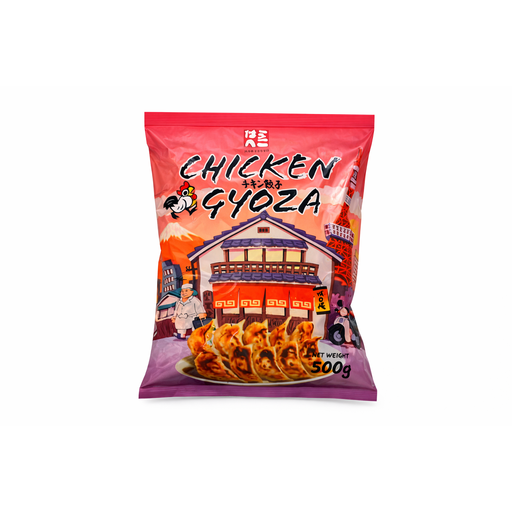
Why it suits this profile: A manageable pack for anyone trying chicken gyoza for the first time and wanting to use different cooking methods.
The product information lists the ingredients and allergens, as well as specific instructions for pan-frying, deep-frying and steaming.
500 g pack; can be cooked without thawing; contains chicken and vegetables.
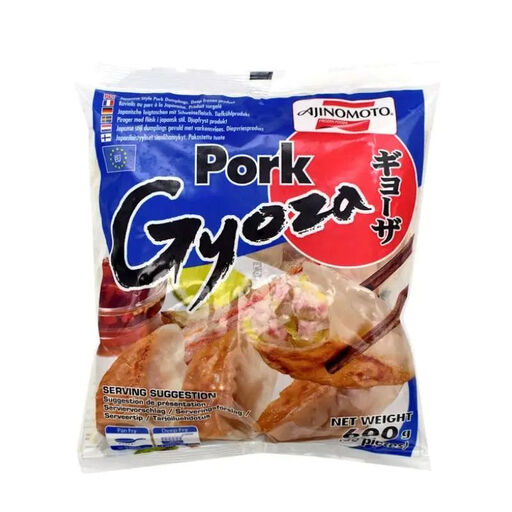
Why it suits this profile: Ideal for pork gyoza lovers who want to compare the number of pieces and ingredients in advance.
The packaging states that it contains 30 pieces, 19% pork and allergens such as gluten, wheat and soya.
30 pieces per pack; filling with vegetables and pork; store frozen.
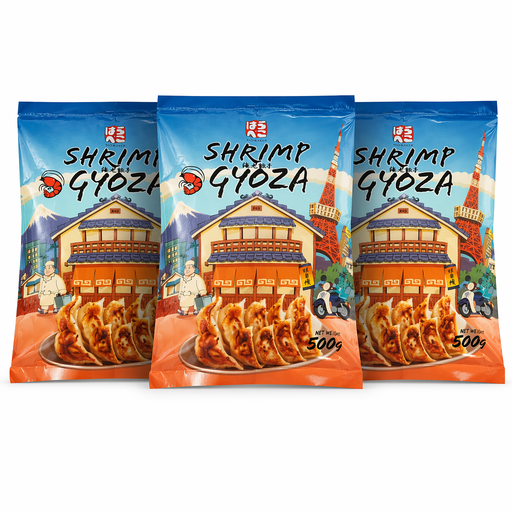
Why it suits this profile: A large multipack for regular eaters, families or an evening featuring several dishes.
The product information clearly lists prawns, wheat and soya, and provides instructions for pan-frying, deep-frying and steaming.
3 x 500 g; 169 kcal per 100 g according to the product information; suitable for several cooking methods.
For a plant-based option, you could consider bibigo Korean BBQ Gyoza Vegan 300 g. The product description mentions vegetables, wheat gluten, chickpea powder and soya sauce. For beef, options include Ajinomoto Gyoza Beef Dumplings – 30 pcs and bibigo Beef Bulgogi Gyoza 300 g.
If you prefer a combination of chicken and vegetables, you could also look at Ajinomoto Gyoza Chicken & Vegetable Dumplings – 600 g. Pay particularly close attention to the label for this product: the listed ingredients include wheat, soya and sesame, among others, while the allergen information is presented differently elsewhere. If in doubt, follow the information on the current packaging.
We’ve put together a complete, up-to-date list of products that fully meet these strict selection criteria and the applicable European safety regulations.
You usually don’t need to thaw gyoza. For pan-frying, place the frozen dumplings in a pan with oil, add water and cook them with the lid on. The exact cooking time varies by product, so always check the packaging.
Yes, but use a steamer basket or rack positioned above boiling water. Make sure the dumplings don’t come into direct contact with the water. Steaming times vary by brand; KHY states that some varieties should be steamed for approximately five minutes at 100 °C.
Store them frozen at the temperature stated on the packaging and check the best-before date. After thawing, they should be refrigerated according to the product information and eaten within the stated time. Do not refreeze thawed gyoza.
