
Same-day & Next-day Delivery

Quality Guaranteed

Unlock Your Welcome Offers: FREE Delivery | Up to 80% OFF | Free 30-day JoyPlus trial
Download the APP
If you want to buy gyoza and dumplings, you will quickly find a wide selection online: Japanese gyoza, Chinese dumplings, ha kau dumplings and Korean varieties with kimchi. The packaging may look similar, but the filling, preparation method, allergens and pack size can vary considerably.
That is why a low price per pack does not tell you everything. Pay particular attention to the quantity, the proportion of meat or prawns and how you plan to prepare the dumplings at home.
A bulk pack is convenient for a family or someone who eats them regularly, but less practical if you only prepare Asian snacks occasionally. Once defrosted, the product should be kept refrigerated according to the instructions on the packaging and used within the stated period. Refreezing is not recommended.
Therefore, compare the net weight and the number of pieces. A 500 or 600 g pack may contain a different number of dumplings depending on the brand.
Names such as chicken gyoza, prawn gyoza or beef gyoza do not automatically mean that the named ingredient makes up a large proportion of the product. Check the ingredients list and percentages. For example, Khy Chicken Gyoza contains chicken and vegetables, while the product information for Ajinomoto Beef Dumplings states that they contain 24% beef.
The difference is also clear with prawn dumplings. BML Shrimp Gyoza lists 34.90% prawns; Mooijer Ha Kau lists 25% prawns as well as 8% fish. This does not make either product good or bad, but they will suit different preferences.
Not every frozen dumpling is intended for the same pan or steamer. Some varieties can be fried, steamed or deep-fried. Others are mainly intended for steaming. If you want a crispy base, choose a product with clear pan-frying instructions. For a soft dough texture, steamed dumplings or ha kau dumplings are a better choice.
First decide which flavour and composition best suit you:
Always check the current packaging for allergen information. Many products contain wheat, gluten, soya or sesame. Prawn products may also contain crustaceans and fish. Product information can change; the label on the packaging takes precedence.
Frozen gyoza are usually prepared straight from the freezer. Defrosting can soften the dough wrapper and is not necessary when the manufacturer gives instructions for cooking from frozen.
For example:
Always follow the instructions on the packaging for temperature, cooking time and serving size. This helps prevent the outside from appearing cooked while the filling has not yet been heated through completely.
Frozen products should remain frozen during storage and transport. The product information for several items states that they are handled within a temperature-controlled chain. When your order arrives, check that the packaging is still properly frozen and place the dumplings in the freezer as soon as possible.
Also look out for:
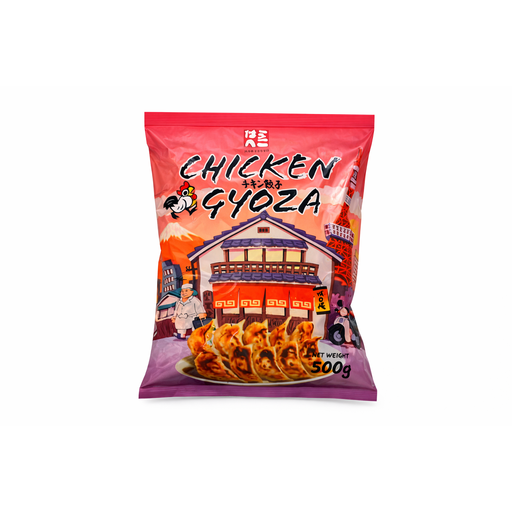
Why it suits this profile: A single 500 g pack is a manageable choice for anyone trying frozen gyoza for the first time and not wanting to buy a large pack straight away.
The packaging gives preparation instructions for pan-frying, deep-frying and steaming. This means you do not need any specialist equipment.
500 g, chicken and vegetable filling, can be cooked from frozen and includes clear pan-frying instructions.
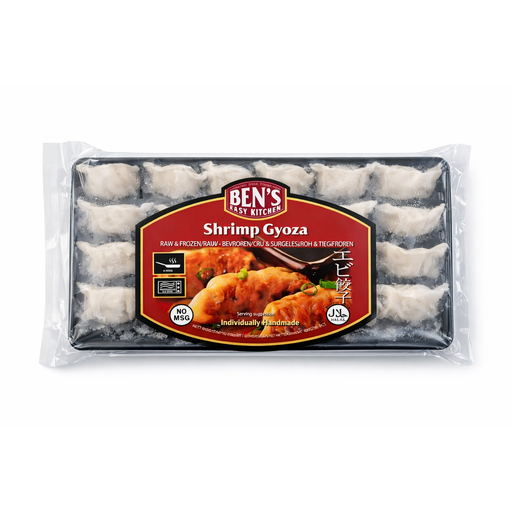
Why it suits this profile: For anyone specifically looking for prawn gyoza and wanting to compare the composition using verifiable percentages.
The product states that it contains 34.90% prawns and identifies crustaceans as an allergen. This makes comparisons easier.
400 g, 34.90% prawns, with chives and shiitake; cooks in around 6 minutes without defrosting.
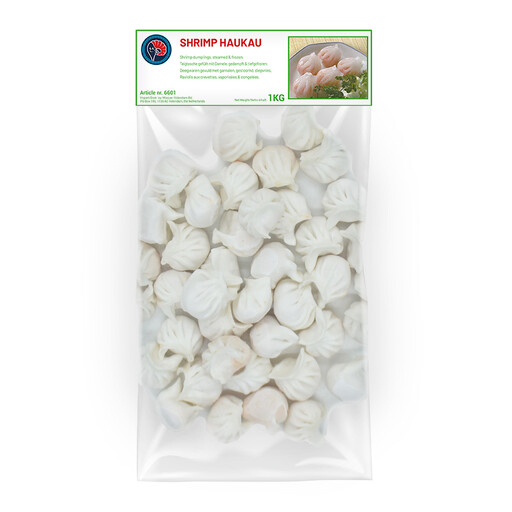
Why it suits this profile: A 1 kg pack is ideal for families, dinner parties and home cooks who regularly serve steamed dumplings.
The pack size is clearly stated, and the product description confirms that these are individually quick-frozen dumplings.
1 kg, prawn filling, suitable for steaming and supplied as an IQF product according to the product information.
We have put together a complete, up-to-date list of products that fully meet these strict selection criteria and the applicable European safety regulations.
For a crispy base, the classic pan-frying method works well. Heat a small amount of oil, fry the frozen dumplings briefly, add a little water and cover the pan. Allow the water to evaporate, then fry the base for a little longer.
Steaming is suitable for ha kau dumplings and other soft dumplings. Use a steamer basket or insert and follow the stated cooking time. When deep-frying, maintaining a consistent temperature is important; products such as bibigo Kimchi Chicken Gyoza and Bibigo Beef Bulgogi Gyoza specify cooking in oil at around 180 °C.
Serve the dumplings with soy sauce, rice vinegar, sesame oil or a homemade dipping sauce. Pair them with cucumber, pak choi or a light noodle soup for a complete meal.
Gyoza is the Japanese term for a style of dumpling usually made with a thin dough wrapper and a filling of meat and vegetables. Chinese dumplings cover a broader group of products, including boiled, steamed and deep-fried varieties. The exact shape, filling and preparation method vary from product to product.
Usually not. Many products in this range can be cooked straight from the freezer. However, always check the label. Defrosting when it is not recommended can affect the dough wrapper and increase the risk of quality loss.
Store frozen gyoza according to the temperature and best-before date stated on the packaging. Once defrosted, the dumplings must be kept refrigerated and used within the stated period. Do not refreeze a product once it has been defrosted.
