
Vandaag of morgen in huis

Kwaliteit gegarandeerd

Welkomstaanbiedingen ontgrendelen: GRATIS bezorging | Tot 80% korting | Gratis 30 dagen JoyPlus-proefperiode
Download de app
Want to buy gummy sweets, but finding it hard to tell the difference between all those colourful packs? Online, you’ll find everything from traditional fruit gummies and peelable gummies to Korean sweets, Japanese konjac jelly and varieties with no added sugar. The packaging often tells you more about the flavour and experience than anything else. To make the right choice, it’s the ingredients, nutritional information, serving size and warnings that matter.
Mango gummies or grape gummies may be made mainly from glucose syrup, sugar, gelling agents and flavourings. So, check the ingredients list. For example, Cokoc Mega Trophy Gummies Mango lists 3.5% concentrated mango juice. That gives the sweets a mango flavour, but it doesn’t mean they’re made mostly from mango.
Some products list a higher percentage of juice or concentrate. For example, the product information for Powerbeärs Tetris Fruit Gum lists 20% apple juice from concentrate. Only compare figures like these when the nutritional information is given for the same quantity.
Konjac jelly and sugar-free jelly often contain sweeteners such as erythritol, sucralose, acesulfame-K or steviol glycosides. So “sugar-free” doesn’t always mean a product contains no sweeteners. Check the full ingredients list and the nutrition table.
Jelly B Konjac Jelly Mango lists 3 kcal and 0 grams of sugar per 100 ml. Orihiro Purun and Standing Zero Calories Shine Muscat lists 0 kcal per 100 grams/ml, but also contains a source of phenylalanine because of the aspartame. This is useful information if you want to check sweetener labels carefully.
A 400-gram bag or a 1-kilo tub may seem like good value, but it’s most convenient if you’re sharing or can store the sweets in a tightly sealed container. Smaller portions of 40 to 75 grams are easier to portion out for a school bag, desk or day out.
Also check the best-before date and storage instructions. Gummy sweets should generally be stored in a cool, dry place, away from direct sunlight and moisture. Reseal opened packaging securely.
Check whether the product contains gelatine and where it comes from. Many gummies use beef gelatine; Nerds Gummy Clusters lists pork gelatine. If you’re shopping for vegetarian, vegan or halal sweets, check each product individually rather than relying on the product image.
Also check for allergens. The product information for Orion Grape Kernels Jelly says that it doesn’t contain any of the 14 main EU allergens. Information may differ for other products. If in doubt, follow the packaging.
Compare the nutritional information per 100 grams or 100 ml, but also check the pack size. The regular fruit gummies in this selection contain around 320 to 390 kcal per 100 grams. Their sugar content ranges from around 43 to 86 grams per 100 grams.
Konjac jelly is usually much lower in energy. It’s a different kind of snack, but it’s still important to read the ingredients and instructions for use. A low energy value tells you nothing about the flavour, texture or suitability for young children.
Peelable gummies have an outer layer that you can peel away. This is mainly for fun and doesn’t indicate a different nutritional value. Check that children are old enough for the product, and bear in mind its chewy or slippery texture.
Some products carry a warning about colourings such as E102 and E110. The required warning states that these colourings may have an adverse effect on children’s activity and attention. Always follow the warning on the packaging, too. According to Orihiro’s product information, konjac jelly should be squeezed out of the pack while chewing; young children should not use products like this without supervision.

Why it suits this shopper: The small pack is easy to manage and contains several fruit flavours, so you can try different ones without buying a large quantity.
The product information lists fruit juice concentrates, and the nutritional values are clearly shown per 100 grams.
60 grams, mixed fruit flavour, peelable texture and 0 grams of fat per 100 grams according to the product information.
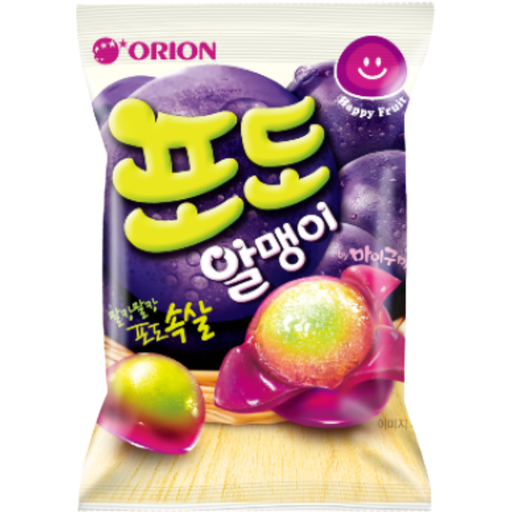
Why it suits this shopper: This compact Korean snack combines a soft gummy texture with concentrated grape juice, making it suitable for enjoying at home or on the go.
The 67-gram pack means you don’t have to buy a large quantity straight away. The ingredients and allergen information are listed.
Grape flavour, 330 kcal and 78 grams of carbohydrates per 100 grams; according to the product information, it contains none of the 14 main EU allergens.
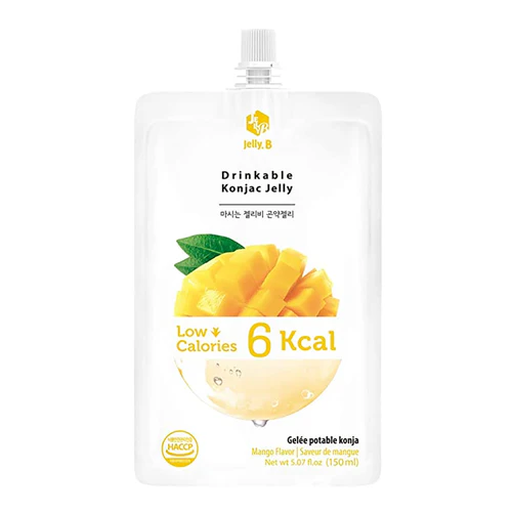
Why it suits this shopper: The squeezable pack is designed for a quick snack, and the mango variety contains 3 kcal per 100 ml according to the nutritional information.
The product information clearly lists the sweeteners, konjac and 150 ml pack size. This makes it easy to compare with regular gummies.
150 ml, Korean origin, 0 grams of sugar and halal according to the supplied product information.
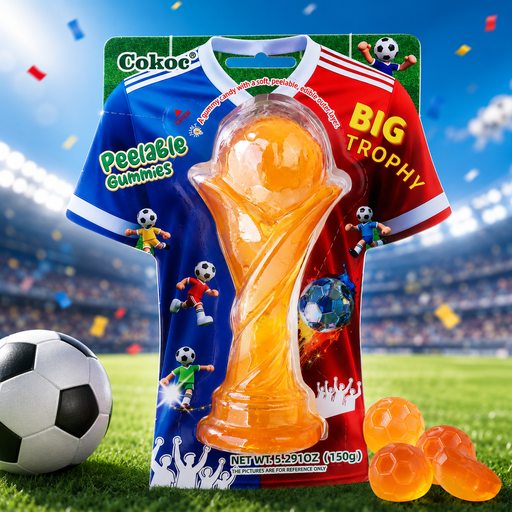
Why it suits this shopper: The 150-gram mango variety is handy for sharing and has a peelable shape for added fun.
The product information lists 49 grams of sugar and 340 kcal per 100 grams. This makes it clear that a larger bag needs to be portioned out.
150 grams, mango flavour, peelable texture and 0 grams of fat per 100 grams according to the product information.
We’ve put together a complete, up-to-date list of products that meet these strict selection criteria and the applicable European safety regulations.
It depends on how you plan to enjoy them. Choose a small bag if you want to try a new flavour, a sharing pack for guests or konjac jelly if you’re looking for a light, liquid jelly snack. Always check the ingredients, nutritional information, allergens and warnings before ordering.
No. Sugar-free jelly often uses sweeteners and usually has a softer or more drinkable texture. Regular gummies generally contain sugar or glucose syrup and are firmer and chewier. So don’t just compare the front of the pack; check the nutrition table per 100 grams or 100 ml as well.
The exact shelf life is shown on the packaging. Store unopened products according to the instructions, usually in a cool, dry place. Seal an opened bag securely and don’t use damaged packaging. For konjac jelly, you should also follow the instructions for use after opening and consume the product promptly.
