
Vandaag of morgen in huis

Kwaliteit gegarandeerd

Welkomstaanbiedingen ontgrendelen: GRATIS bezorging | Tot 80% korting | Gratis 30 dagen JoyPlus-proefperiode
Download de app
Are you looking to buy gummy sweets for a treat, party, film night, or just for yourself? It might seem straightforward, but the range varies considerably. A small bag of eye-catching shapes can be relatively expensive, while a large bag isn’t always practical for sharing. What’s more, terms like “fruity”, “natural” or “no artificial colours” don’t automatically tell you about the sugar content, the ingredients, or whether they’re right for your needs.
With these practical selection tips, you can compare gummy sweets, fruit gums, wine gums and sour sweets based on verifiable product information.
Peach, mango or lychee sweets sound as though they contain plenty of fruit. In reality, gummy sweets are mostly made up of sugar, glucose syrup, water and a gelling agent. Some products do contain concentrated fruit juice or fruit purée, but the amount varies.
So always check the ingredients list. Amos Peelerz Peach, for example, states 11% concentrated peach and apple juice. Powerbeärs Tetris Fruit Gum lists 20% apple juice from concentrate. These are concrete facts; the fruit name on the front alone is not a reliable guide.
Several Haribo products in the range are made without artificial colours, according to the product description. However, that doesn’t mean they are low in sugar. Haribo Fizz Bubble, for instance, contains 63g of sugar per 100g. Haribo Dragibus Soft has 56g per 100g.
So use the nutritional information table alongside the marketing claims. Gummy sweets remain a sweet treat, even when natural colouring from plant and fruit concentrates has been used.
A 1kg pack might seem good value for a party, but it’s less practical for a school treat or a day out. Small bags of 60 to 65g are easier to take with you, while a sharing pack of 185 to 410g is better suited to a film night or when guests come round.
Also pay attention to resealability, storage advice and the best-before date on the pack. Store opened gummies in a cool, dry place, away from direct sunlight and moisture. Do not use a product if the packaging is damaged.
If you’re looking for vegan sweets, you need to be extra careful. Many gummies contain beef or pork gelatine. Amos Peelerz and Haribo Starmix, for example, list gelatine in their ingredients. “Suitable for vegetarians” does not automatically mean vegan.
Also check for allergens. Haribo Fizz Bubble mentions gluten and milk; Haribo Dragibus Soft may contain traces of wheat. Fruitella Mix or Minis does not list any of the 14 major EU allergens, but it contains different types of sweets with separate ingredient lists. If you have allergies, always read the label on the pack you receive.
Compare nutritional values per 100g, but also look at the total weight. A 200g bag with 56g of sugar per 100g contains around 112g of sugar in total. A small 65g bag of sweets can therefore be a better choice if you want to keep portions under control.
Some packs state portion sizes. Haribo Starmix Tub 1kg, for example, indicates 40 portions of 25g. This makes it easier to divide up at a party, although the total nutritional value still depends on the portion you choose.
Soft sweets vary in chewiness. Dragibus is described as having a soft texture and a soft centre, while Fizz Soda Straws are sour and foamy. Amos Peelerz has a peelable outer layer with a fruity centre. This interactive element can be appealing for a treat, but it doesn’t automatically make the product suitable for very young children.
Only give sweets to small children under adult supervision. Chewing instructions and age recommendations on the pack are more important than the shape or colour of the sweet.
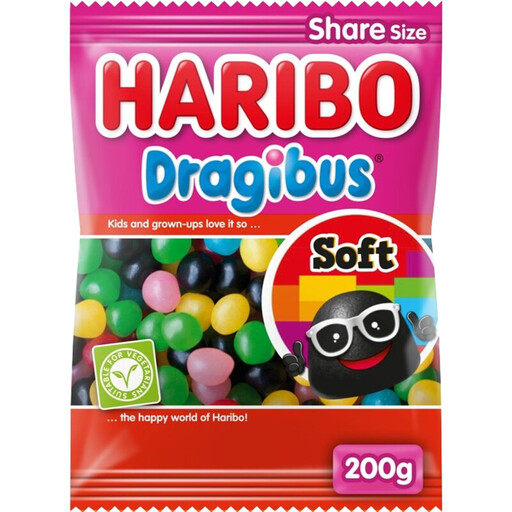
Why this fits the profile: A straightforward bag of colourful, soft fruit gums for a first purchase or a small sharing occasion.
The 200g weight makes the quantity clearer than an unspecified sweet mix. The product information also lists ingredients and allergens.
Soft round sweets, six fruit flavours according to the product description, and suitable for vegetarians.
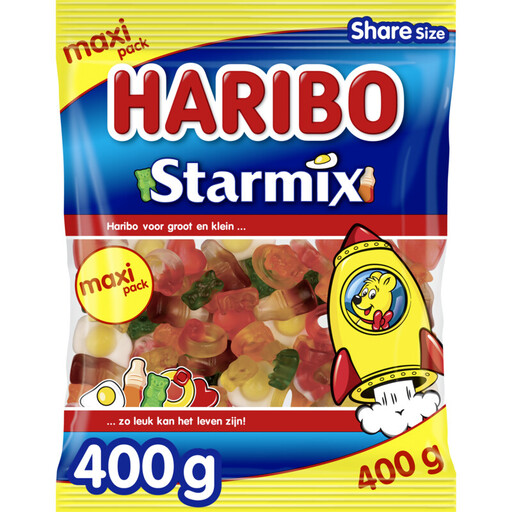
Why this fits the profile: A well-known mix for anyone who wants different shapes and flavours in one bag of sweets.
The contents are clearly described: includes bears, hearts, rings, eggs and Happy Cola. So you’re buying a mix rather than a single flavour.
400g sharing pack, 16 stated portions, and made without artificial colours according to the product description.
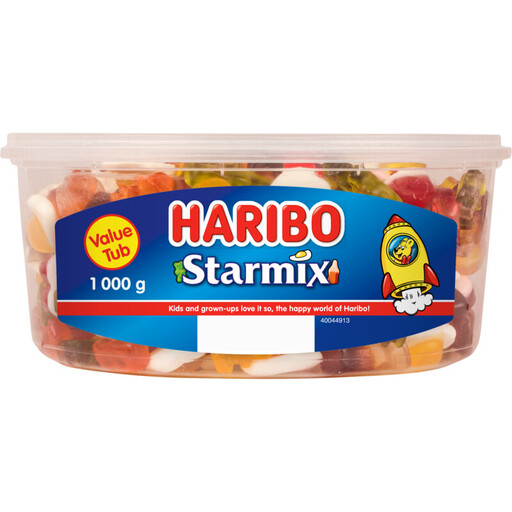
Why this fits the profile: Practical for birthdays, clubs, a sweet jar, or multiple sharing occasions with family and friends.
The large pack makes sense when you need lots of portions. The product information states 40 portions of 25g, making it easier to divide up.
1kg contents, multiple shapes and flavours, and a sturdy storage tub for use in a sweet jar.
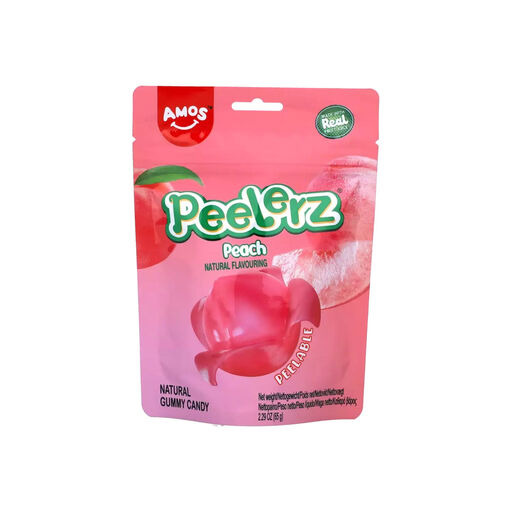
Why this fits the profile: A small bag with a peelable outer layer and a soft fruity centre for a playful eating experience.
The bag contains 65g and is resealable according to the product description. That’s better suited to a single treat occasion than a large bulk pack.
11% concentrated peach and apple juice, a peelable texture, and a portion size ideal for on the go.
We’ve put together a full, up-to-date list of products that fully meet these strict selection criteria and comply with current European safety regulations.
Choose a pack of 185 to 400g if you want to share sweets with family or friends. For larger parties, a 1kg pack is more practical. Pay attention to the ingredients and allergens if several people will be eating them.
Store gummies in their original, well-sealed packaging in a cool, dry place. Keep them away from heat, moisture and direct sunlight. A resealable bag, like those on some Amos products, helps to seal the pack better after opening.
That depends on the child’s age, the texture and the instructions on the pack. Supervise young children while they eat and make sure they chew properly. Also check for gelatine, allergens, portion size and any warnings. A colourful appearance or fruity flavour doesn’t change the fact that gummies are sweets and therefore intended as a treat.
