
Vandaag of morgen in huis

Kwaliteit gegarandeerd

Welkomstaanbiedingen ontgrendelen: GRATIS bezorging | Tot 80% korting | Gratis 30 dagen JoyPlus-proefperiode
Download de app
Want to buy green tea, but feeling overwhelmed by the sheer number of options? From simple tea bags to refined matcha powder, the selection is vast. One tea promises an authentic Asian experience, while another focuses on convenience. How do you know which type is right for you?
As a Joybuy Product Recommendation Officer, I'm here to guide you. In this article, we'll cut through the marketing jargon and focus on the facts. We'll explore the different types of green tea, offer practical tips, and highlight a few popular choices. This will help you make an informed decision that suits your taste and lifestyle.
Before you make a choice, it's helpful to consider a few key points. This will help you narrow down your search for the tea that meets your needs.
The form of the tea largely determines the user experience and often the flavour intensity.
Although green tea is produced worldwide, the most famous styles come from China and Japan. The origin has a major impact on the flavour.
More and more people are choosing organic green tea. A product can be labelled organic if it meets strict EU regulations for cultivation, which prohibit the use of synthetic pesticides or artificial fertilisers. If this is an important criterion for you, look for the EU organic logo on the packaging.
Based on product features and popularity, we've curated a selection that showcases the diversity of green tea.
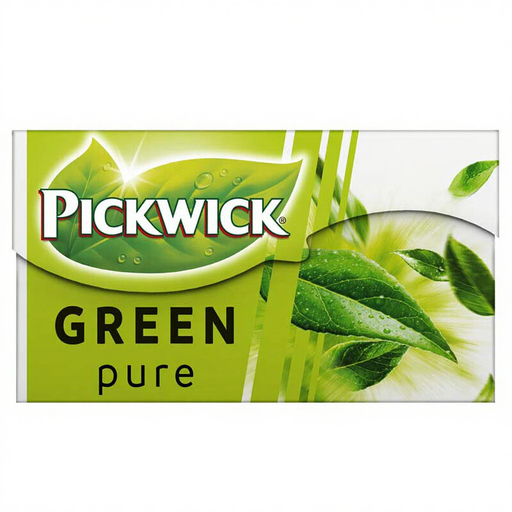
Why it stands out: This product is the definition of simplicity and convenience. It's a pure green tea with no additives or artificial flavours. The tea is a blend of selected varieties from India and China. Each tea bag is individually wrapped, which helps maintain freshness and makes it easy to take on the go.
Pros
Who is it for? For the daily tea drinker looking for a reliable, no-nonsense green tea that is quick and easy to brew.
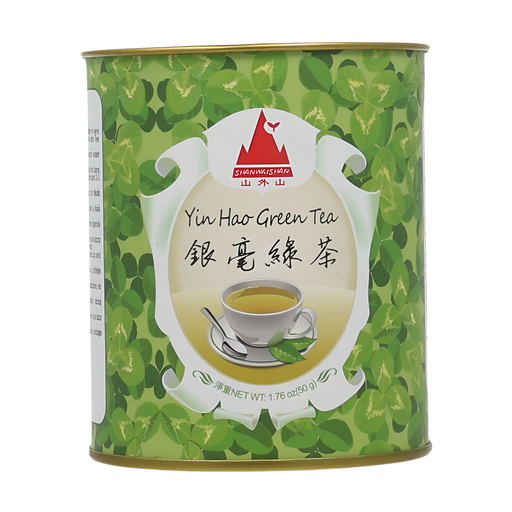
Why it stands out: This is a classic loose-leaf green tea from China. The name "Yin Hao" (Silver Tip) refers to the young, tender tea buds with visible white downy hairs, a sign of a careful harvest. According to the manufacturer, Xiangyang Shanwaishan Trading Co., Ltd., this yields a clear liquor with a refreshing, smooth, and sweet taste.
Pros
Who is it for? For the tea drinker who wants to take the time to enjoy an authentic tea experience and appreciates the subtle flavours of high-quality loose-leaf tea.
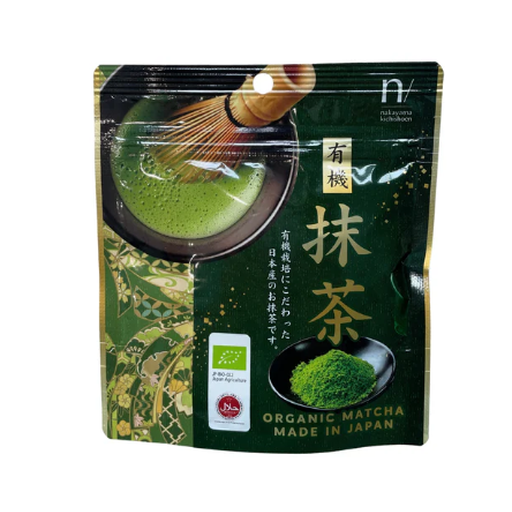
Why it stands out: This organic green tea powder comes from Japan and is made from shade-grown tencha leaves. Its vibrant jade-green colour and delicate aroma are characteristic of ceremonial-grade quality. The product is versatile: suitable for a traditional tea ceremony, but also for making matcha lattes, smoothies, or for use in baking.
Pros
Who is it for? For the creative foodie, the health-conscious consumer, and anyone who wants to explore the unique umami flavour of Japanese green tea in various applications.
These three products provide a good overview of the options available, but of course, there is much more to discover. Are you looking for a specific flavour, a different origin, or a tea with an added aroma like jasmine or lemon?
Our full range includes a wide selection of green tea varieties. Feel free to browse and find the tea that's perfect for you.
Explore our full range of Green Tea
The main difference lies in the processing method after harvesting. Chinese tea is often pan-fired, which imparts a rounder, more roasted flavour. Japanese tea is typically steamed, resulting in a fresher, more vegetal, and grassy taste.
The key to a great cup of loose-leaf green tea is the water temperature. Water that is too hot (boiling) can scorch the delicate leaves, causing a bitter taste. A temperature between 70 and 85°C is often ideal. Use about 2–3 grams of tea per cup, let it steep for 1 to 3 minutes, and then remove the leaves. Many loose-leaf teas can be infused multiple times.
Green tea is often associated with a conscious lifestyle. It naturally contains compounds like antioxidants. It is a zero-calorie beverage (when consumed without sugar or milk) and fits well within a balanced diet. It is considered a popular choice for those looking for a healthy tea as an alternative to sugary drinks.
