
Vandaag of morgen in huis

Kwaliteit gegarandeerd

Welkomstaanbiedingen ontgrendelen: GRATIS bezorging | Tot 80% korting | Gratis 30 dagen JoyPlus-proefperiode
Download de app
If you want to buy green mung beans, you’ll quickly come across several packs with similar names. But not all products are the same. Whole mung beans, peeled mung beans and other Asian beans each have a different use. The packaging, origin and allergen information also deserve your attention.
For soups, porridge, salads, desserts or sprouting, the right choice depends mainly on the preparation you have in mind. The points below will help you avoid a bad purchase and compare products based on verifiable information rather than marketing claims.
The term “mung beans” is used for several varieties. Whole green mung beans still have their green skin and generally retain more bite after cooking. Peeled and split mung beans cook soft more quickly and are better suited to smooth porridge, desserts or certain Indian and Asian dishes.
So always check whether the pack says “whole”, “peeled” or “split”. A bag of peeled beans is not automatically suitable if you’re looking for mung beans for sprouting.
A product with just mung beans as an ingredient may seem straightforward, but the allergen information is still important. Some packs state that the product is processed in an environment where gluten, peanuts, nuts or sesame, for example, are present.
Always read the full product page and the label. The whole Sunlee mung beans state that the product contains none of the 14 main EU allergens. The peeled Sunlee variety, on the other hand, mentions that it may contain traces of gluten-containing cereals, peanuts, nuts and sesame.
A 1 kg pack may seem good value per portion, but it’s less practical if you only use mung beans occasionally. For a household that regularly makes mung bean soup, porridge or sprouts, a larger bag can be a good fit.
Pay attention to the net weight, the best-before date and the storage instructions. Dried mung beans should generally be stored in a cool, dry place, tightly sealed and away from direct sunlight. Use the information on the pack as a guide.
First, choose based on the dish:
The product name alone doesn’t always give enough information. Also look at the ingredients list and usage instructions.
A short ingredients list is practical. For Sunlee Whole Mung Bean - 400 g and HUASEED Mung Beans 400g, the only ingredient listed is mung beans. The nutritional values differ slightly per product:
These values come from the respective product information. They can vary by brand and batch, so always check the current label when you buy. Mung beans fit into a vegetarian or vegan diet, but the term “plant-based protein source” doesn’t mean they make a complete meal on their own.
Origin can be important if you want to follow a particular cuisine or compare product information. Sunlee Whole Mung Bean - 400 g is made in the United States according to the product description. HUASEED Mung Beans 400g states China as the country of origin. Duru Green Mung Beans 1KG states Türkiye.
Also pay attention to the preparation method. HUASEED advises soaking the beans, bringing them to the boil and then simmering them on a low heat until completely soft. The required cooking time depends on the soaking duration, the age of the beans and the desired texture. So taste them during cooking rather than relying solely on a fixed time.
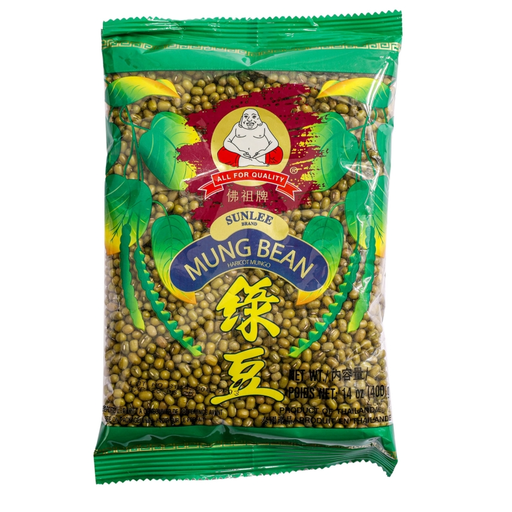
Why this fits the profile: The 400 g size is manageable for anyone buying mung beans for the first time and wanting to try different recipes.
The product name clearly states that these are whole mung beans, so you’re unlikely to confuse them with peeled mung beans.
400 g content, whole mung beans as the only ingredient and nutritional information showing 23 g protein per 100 g.
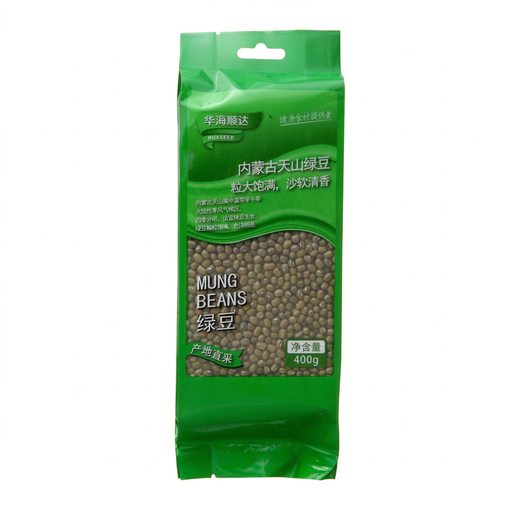
Why this fits the profile: Ideal for home cooks who value clear cooking instructions and a fixed quantity for soups and porridge.
The pack mentions soaking, boiling and gentle simmering, which helps you plan your preparation properly.
400 g content, 100% mung beans as the ingredient and 22.7 g protein per 100 g according to the product information.
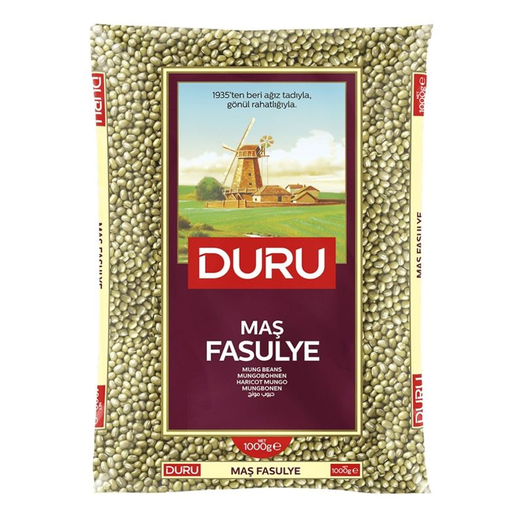
Why this fits the profile: A 1 kg pack suits households that regularly prepare vegan beans, soups, salads or curries.
The net weight is clearly stated, so you can better estimate your stock and cost per use.
1 kg whole green mung beans, 100% mung beans as the ingredient and storage instructions for before and after opening.
We’ve put together a full, up-to-date list of products that fully meet these strict selection criteria and comply with current European safety regulations.
First rinse the beans under cold water and remove any discoloured ones. For most whole mung beans, soaking helps to reduce the cooking time. Then bring them fully to the boil and let them soften according to the instructions on the pack.
For mung bean soup, you can cook the beans longer until they break apart. For a salad, a shorter cooking time is better so they keep their shape. For sprouting, only use a product and method that are suitable for that purpose. Sprouts require extra attention to clean handling, rinsing and storage.
Usually, “green mung beans” refers to the whole bean with its green skin. “Mung beans” can also be a general name for peeled or split varieties. So always check the product name and ingredients list.
Check the best-before date on the pack. Store opened mung beans in a cool, dry place, tightly sealed and away from moisture and direct sunlight. Do not use the product if the packaging is damaged.
Mung beans themselves are plant-based and generally fit within a vegan diet. However, do check the ingredients list and allergen information of the specific product, especially if you want to avoid cross-contamination.
