
Vandaag of morgen in huis

Kwaliteit gegarandeerd

Welkomstaanbiedingen ontgrendelen: GRATIS bezorging | Tot 80% korting | Gratis 30 dagen JoyPlus-proefperiode
Download de app
Green mung beans are dried Asian pulses with a mild, slightly nutty flavour. You can use them for mung bean soup, porridge, curry, desserts, salads and homemade bean sprouts. Yet packets on the shelf often look more alike than the products themselves. If you only go by colour or price, you could end up buying a variety that doesn’t suit the dish you have in mind.
As a Joybuy Product Recommendation Officer, I focus on verifiable information: bean type, processing, weight, origin, nutritional values and cooking instructions. That way, you can quickly see which mung beans fit your kitchen.
The terms whole mung beans, split mung beans and hulled mung beans refer to different forms:
A product with “split” in its name is therefore not the same as a bag of whole green mung beans. Always check the product title and ingredients list.
Dried mung beans keep for a long time when stored dry, cool and sealed. However, a 1 kg bag may be less practical if you only make mung bean soup occasionally. For regular cooking or meal prep, a multi-pack can actually work out better value per 100 grams.
So don’t just compare the unit price, but also:
Mung beans are often described as “high in protein” or “high in fibre”. The exact values vary by brand and pack. For example, Cock Brand states around 21–24 g of protein per 100 g, while Yuanchu states 23 g and Yan Zhi Fang states 24.5 g. Treat this as label information, not a medical promise.
Also check the allergen information. Some products list none of the 14 major EU allergens, whereas the hulled Sunlee variety may contain traces of gluten-containing cereals, peanuts, nuts and sesame.
First, think about what you want to make. For cooking mung beans in soup, curry or salad, whole beans are a versatile choice. If you want a soft, thick soup or sweet bean paste, split or hulled mung beans are often more convenient.
For sprouting, choose a product whose description explicitly states it is suitable for sprouts. Not every dried pulse is automatically intended for sprouting.
Common pack sizes in the range vary from 300 to 500 grams. There are also larger packs, such as Duru Green Mung Beans at 1 kg or a bundle of 500 g × 2. A smaller bag suits occasional use; a larger pack suits households that often prepare vegan mung beans, salads or Asian dishes.
Store opened beans in an airtight container, in a cool, dry place away from moisture, heat and direct sunlight. Do not use any product whose packaging is damaged.
The stated origin differs by product. The range includes beans from Thailand and China, for example. Origin alone doesn’t tell you which bean is best for your recipe. Also look at:
According to the product information, several varieties are free from artificial colours and preservatives. Check the actual pack for full details.
Rinse the beans thoroughly before use. For soup, porridge and curry, you can usually soak whole mung beans for 2 to 4 hours. Some varieties recommend at least 4 hours or overnight soaking. This can reduce cooking time and help the beans become softer.
Then cook them in clean water or stock until fully tender. Several product descriptions mention around 30 to 45 minutes after soaking, but the exact time depends on age, size and desired texture. Dried mung beans are not ready to eat raw.
For sprouting, the usual process is:
Work cleanly and always follow the instructions on the pack. Raw sprouts require extra attention to hygiene; vulnerable individuals should avoid eating raw sprouts.
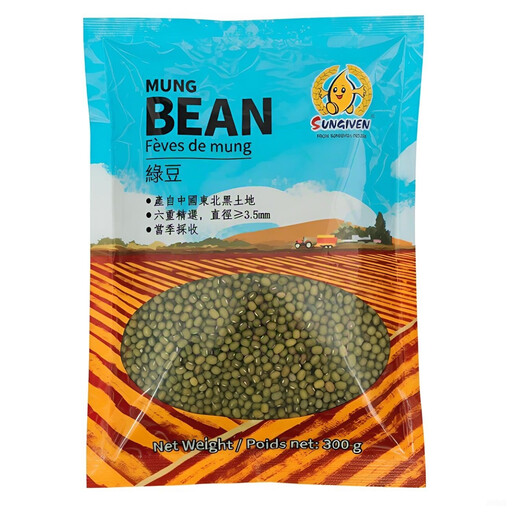
Why this fits the profile: The 300 g pack is manageable for anyone buying mung beans for the first time and wanting to prepare small amounts of soup, porridge or dessert.
The product information clearly states that soaking and cooking are required. This makes the difference between a dried ingredient and a ready-to-eat product clear.
300 g; ingredients listed as mung beans; per 100 g the label states 23 g of protein.
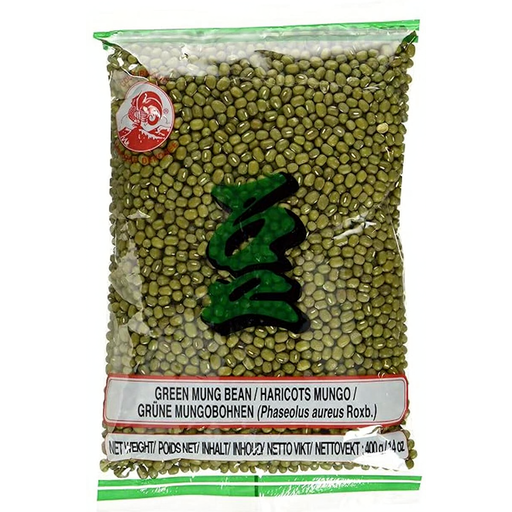
Why this fits the profile: A practical middle size for home cooks looking for a recognisable ingredient for both savoury and sweet Asian dishes.
The pack states the net weight, origin Thailand, storage advice and nutritional information. This makes comparison easier than relying on general marketing language.
400 g; green mung beans; according to the product information, none of the 14 major EU allergens.
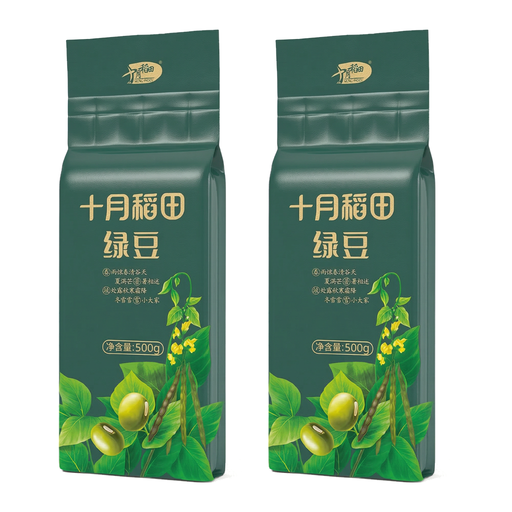
Why this fits the profile: The total quantity of 1 kg suits households that frequently make soup, porridge, curry or bean paste.
The bundle makes the total contents clear: two 500 g bags. The preparation advice mentions soaking for 2 to 3 hours and cooking until the beans split open.
1 kg total; suitable for soup, porridge and mung bean paste; per 100 g, 21.6 g of protein is stated.
We have put together a full, up-to-date list of products that fully meet these strict selection criteria and comply with current European safety regulations.
Soaking is not always strictly necessary, but it is often recommended. A soaking time of 2 to 4 hours can reduce cooking time. For sprouting, the beans are usually soaked for 8 to 12 hours. If in doubt, follow the cooking instructions on the pack.
Unopened mung beans generally remain edible until the date on the pack when stored cool, dry and out of direct sunlight. After opening, store them airtight and check for moisture, insects or an off smell before use.
Choose whole green mung beans whose product information mentions sprouting. Split or hulled mung beans are mainly intended for cooking and are not a logical choice for long sprouts. Rinse sprouts regularly, drain them well and handle them hygienically.
