
Vandaag of morgen in huis

Kwaliteit gegarandeerd

Welkomstaanbiedingen ontgrendelen: GRATIS bezorging | Tot 80% korting | Gratis 30 dagen JoyPlus-proefperiode
Download de app
Korean cuisine is rapidly gaining popularity, and one indispensable ingredient is gochujang. This Korean chilli paste is the key to the deep, complex flavours of dishes like bibimbap and tteokbokki. But anyone searching online for "buy gochujang" will quickly encounter an abundance of red tubs and tubes. They all look similar, but the differences in quality and flavour are significant. Before you make a purchase, it's important to know a few common pitfalls.
Many buyers make the mistake of thinking that every red pepper paste is the same. They choose a product that looks appealing, only to discover it's more of a sweet chilli sauce than an authentic Korean cooking paste. Another pitfall is fixating on the spiciness, when the true power of gochujang lies in its fermented, savoury (umami) depth of flavour. Products loaded with corn syrup lack this complexity and deliver a flat, one-dimensional sweetness.
To avoid wasting money on a product that doesn't meet your expectations, there are a few key specifications you should check. These determine the paste's authenticity and usability.
A good gochujang has a recognisable foundation. Look for the following ingredients on the label:
Products that list corn syrup as one of the first ingredients are often overly sweet and lack the layered flavour you're looking for in a traditional Korean chilli paste. The balance between sweet, salty, spicy, and umami is crucial.
Gochujang isn't just a spicy Korean sauce; it's a thick paste. The texture should be firm, similar to tomato paste. A watery consistency often indicates lower quality and makes it less suitable for marinades or as a base for a bibimbap sauce.
The spice level varies by brand and product. While not always indicated on a Scoville scale, many brands use labels like 'mild', 'medium hot', or 'hot'. For most recipes using gochujang, a medium variety is a safe and versatile choice.
To help you with your choice, we have selected a few products that fit different user profiles. These recommendations are based on their product specifications and composition.
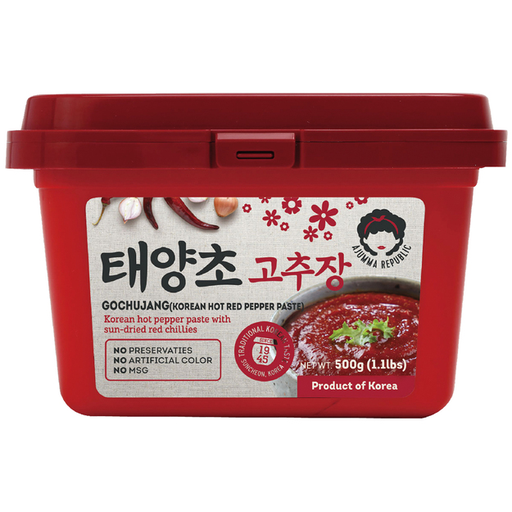
Why This Fits Their Persona: This is an excellent starting point for anyone wanting to explore authentic Korean cuisine. The 500g container is ideal for regular home use without having to commit to a huge supply. The flavour is balanced and versatile.
This product avoids the pitfall of an overly sweet flavour. The ingredient list, with wheat flour and a blend of spices, ensures the characteristic fermented depth instead of a simple, sweet heat.
The paste has a classic, balanced flavour suitable for a wide range of recipes, from soups to marinades. The Ajumma Republic gochujang brand is known for its focus on traditional flavours.
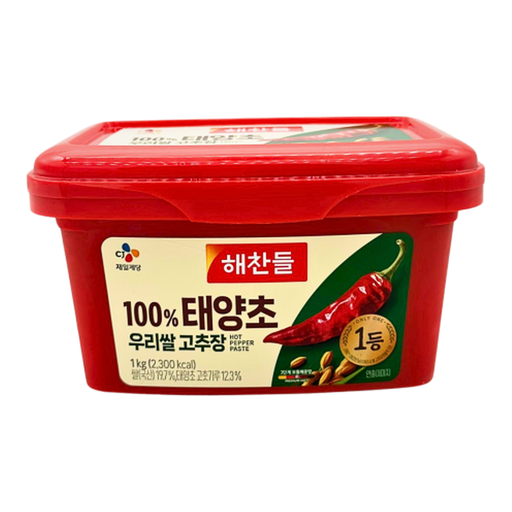
Why This Fits Their Persona: For the home cook or food service professional who makes Korean dishes weekly, this 1 kg container is a logical choice. It offers excellent value for money and ensures you never run out of this essential Korean cooking paste.
This product uses brown rice as a base, which provides a deeper, nuttier undertone. It avoids the pitfall of being a simple red pepper paste by offering a complex flavour profile characteristic of quality gochujang.
The large packaging is economical for heavy users. Its savoury and spicy flavour is consistent and reliable, making it a favourite in many kitchens.
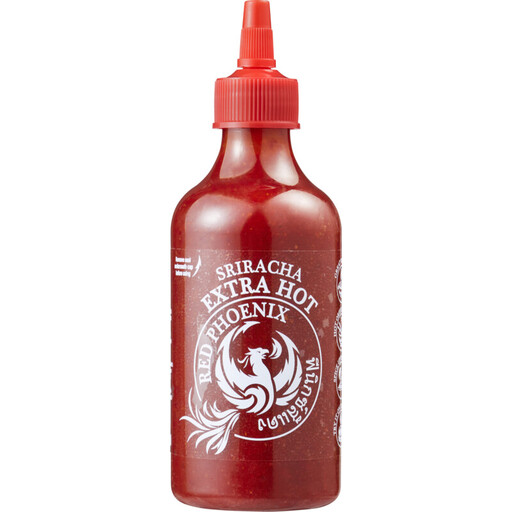
Why This Fits Their Persona: For those looking for a spicy sauce as a topping rather than a fermented cooking paste. Sriracha offers a direct, garlic-and-vinegar-driven heat that is different from the complex flavour of gochujang.
This product helps avoid the pitfall of confusion. It's important to know that this is not gochujang. By understanding the difference, you can buy the right product for the right application: sriracha for instant heat, gochujang for deep flavour.
The convenient squeeze bottle makes portioning easy. The flavour is consistently spicy and garlicky, ideal as a finishing touch on noodles, eggs, or in soups.
We have compiled a complete, real-time list of products that fully satisfy these strict selection criteria and UK safety regulations.
Once opened, gochujang should be stored in the refrigerator. Make sure the container is sealed tightly. The paste will typically last for up to a year. The colour may darken over time due to oxidation, but this usually doesn't affect the flavour.
No, there are clear differences. The key characteristic of gochujang is the fermentation of soybeans and rice, which creates a unique combination of sweet, savoury (umami), and spicy. Sambal is an Indonesian chilli paste, often based on fresh peppers, and can vary widely in flavour. Sriracha is a Thai sauce based on chilli, vinegar, garlic, and sugar, and has a more pronounced sour and sharp taste.
Absolutely. You can look for a 'mild' variety. Additionally, gochujang is a concentrated paste, so you can control the amount you use. A small spoonful adds a lot of depth and flavour to a dish without making it overwhelmingly spicy.
