
当日/次日达

品质保障

开启新人专享福利: 全场免邮 | 低至 2 折 | 免费试用 30 天 JoyPlus 会员
下载 Joybuy
Do you want to buy glass noodles, but find yourself staring at packets labelled rice vermicelli, vermicelli, glass noodles and Asian noodles? These names aren't always used consistently. The difference in starch, texture, preparation and nutritional value can be significant.
To make a clear choice, focus on the main ingredient, the quantity and how you plan to use the noodles. That way, you'll avoid buying a large pack that doesn't suit your recipe, or ending up with vermicelli that turns too soft after cooking.
Glass noodles can be made from mung bean starch, sweet potato starch, wheat starch, potato starch or konjac. So they're not automatically the same.
A product may state that it contains none of the 14 main EU allergens, but always check the current label. Recipes and production lines can change. With wheat-based vermicelli, such as Bai Xiang Mung Bean Vermicelli, wheat is listed as an allergen.
Also, a low value per 100g doesn't always tell the full story. Dried noodles contain little water, so the nutritional value per 100g can appear higher than for a ready-to-eat product. Shirataki noodles are packed wet and therefore have a very different nutritional declaration.
A 1,000g bag might seem good value if you cook often, but it's less practical if you only make noodle dishes occasionally. Pay attention to the seal after opening and store dried products in a cool, dry place away from moisture. For a first try, packs of 200g to 500g are often more manageable.
First, look at the ingredients list. For a simple mung bean vermicelli, the base might be just mung bean starch and water. Other varieties combine starches for a certain elasticity or thickness.
If you're looking for gluten-free noodles, pay extra attention to:
A product like Canna Vermicelli Shrimp Creamy Tom Yum contains sweet potato glass noodles alongside gluten, milk, crustaceans and egg. So it's quite different from a bag of plain glass noodles.
Thin vermicelli absorbs moisture quickly and works well in spring rolls, soup and cold salads. Thicker Korean glass noodles generally stay firmer in a stir-fry.
Also check the preparation method. Some products need to be soaked for 15 to 20 minutes first and then briefly boiled. Others are ready after rinsing and heating, like certain shirataki varieties. Overcooking can make a thin noodle soft and sticky.
Use the nutrition table as a comparison point, but compare dried noodles with dried noodles and chilled or wet noodles with similar products. In the available product information, the values vary widely:
This difference is partly due to the water content and the different raw ingredients. So don't see "low calorie" as a general feature of all glass noodles. Check the specific label and the portion you actually use.
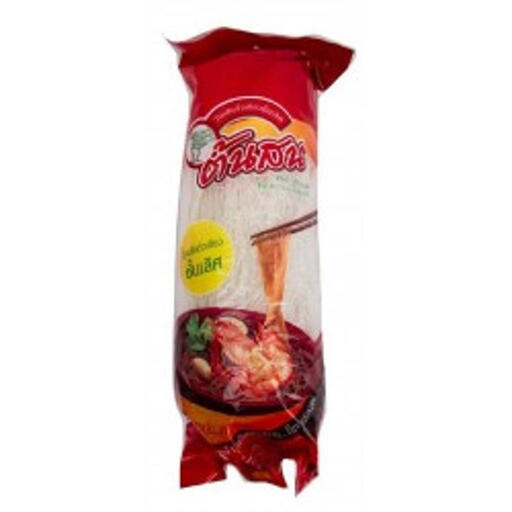
Why it fits this profile: The 500g bag is practical for several meals and, according to the product information, contains mung bean starch and water. That makes it a straightforward choice for anyone cooking vermicelli for the first time.
The ingredients list is short and the uses are broad: hotpot, soup, stir-fries and salads. Do check the current label before buying.
500g; mung bean starch base; according to the product information, gluten-free.
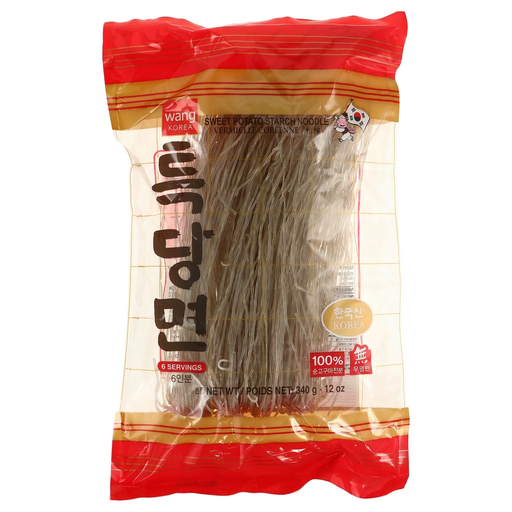
Why it fits this profile: According to the product description, this variety is made from 99.9% sweet potato starch and is intended for japchae, soups, salads and stir-fries.
The ingredient and preparation instructions are clearly stated. That makes the difference from thin mung bean vermicelli visible before you order.
99.9% sweet potato starch according to the description; suitable for japchae; according to the product information, gluten-free.
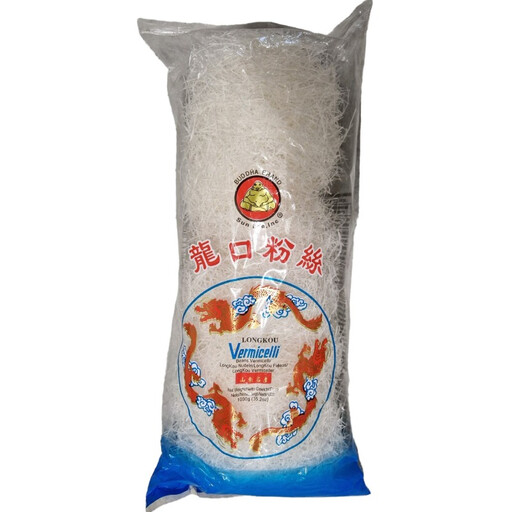
Why it fits this profile: The bulk pack is designed for families, frequent home cooks or anyone who regularly makes hotpot, stir-fries and spring rolls.
The pack lists mung bean starch as an ingredient and gives clear storage advice. Do note the mention that soya or gluten from wheat may be present.
1,000g; mung bean base; suitable for multiple cooking methods.
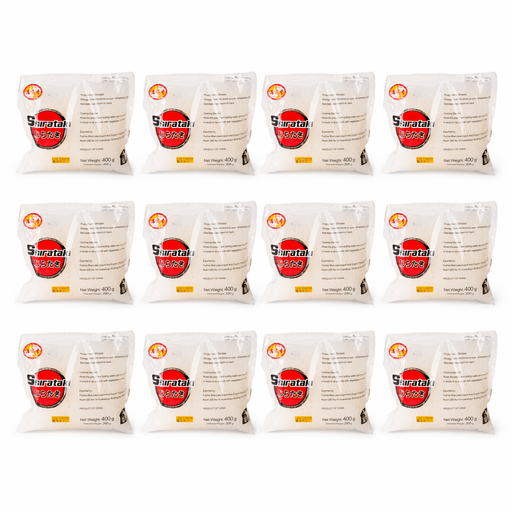
Why it fits this profile: This Japanese shirataki variety is ready to use after rinsing and heating. According to the product information, it contains 7 kcal per 100g.
The pack is wet and the product doesn't need soaking. That helps you avoid the common mistake of treating shirataki like dried vermicelli.
Ready after rinsing and heating; 400g per pack; according to the product information, vegan and gluten-free.
We've put together a full, up-to-date list of products that fully meet these strict selection criteria and comply with current European safety regulations.
Always follow the instructions on the pack. As a general guide:
Buying rice vermicelli doesn't always mean buying rice vermicelli. Rice noodles are usually white and not fully transparent, whereas glass noodles are often made from starch. So check the ingredients rather than just the name on the front.
Not always. Rice vermicelli often refers to thin rice noodles, while glass noodles are usually made from starch and become transparent after cooking. Shops sometimes use the terms interchangeably. The ingredients list gives you the reliable distinction.
For japchae, you'll usually want firm sweet potato noodles. Choose a variety that lists sweet potato starch and check the soaking and cooking time. Thin mung bean vermicelli can turn soft more quickly in a stir-fry.
No. Many products based on mung bean or sweet potato starch are made without the main EU allergens according to the product information, but some vermicelli contain wheat. Always check the current label and any warnings about cross-contamination.
