
Vandaag of morgen in huis

Kwaliteit gegarandeerd

Welkomstaanbiedingen ontgrendelen: GRATIS bezorging | Tot 80% korting | Gratis 30 dagen JoyPlus-proefperiode
Download de app
Buying garden peas might seem straightforward, but the options vary greatly in size, preparation, packaging and shelf life. If you only look at the front of the packet, you could end up paying for a bulk pack you never finish, choosing a product with more salt than expected, or confusing garden peas with dried split peas.
With this practical guide, you can focus on what really matters in a British household: preparation time, ingredients, portion size, storage method and when you'll use them.
Fine garden peas, extra fine garden peas and young field peas are usually pre-cooked or frozen. They're ideal for quick side dishes, fried rice, pasta, salads and oven bakes. Dried split peas are a different product altogether. They require a longer cooking time and are mainly used for soup, purée and stews.
So check whether the label lists water, salt and cooked peas, or just dried peas. The words "green peas" can appear across different product categories.
A 195g tin might look cheap, but it contains less than a 500g bag of garden peas or an 800g frozen pack. Always compare the price per 100g or per kilogram. A garden pea offer is only worthwhile if the quantity matches what you'll actually use.
For a single-person household, smaller packs are more practical. Families who regularly make soup, purée or multiple side dishes can benefit from a garden pea bulk pack or multipack.
Terms like "sweet", "tender", "high in fibre" or "fresh from the field" aren't automatically an objective quality guarantee. According to HAK's own product description, their peas are selected for sweetness and tenderness and processed immediately after harvest. Bonduelle states in its product description that the young field peas are steam-vacuum cooked.
Use this information as a guide, but always check the ingredients list, nutrition table, net weight and storage instructions.
A short ingredients list makes comparison easy. According to the product information, g'woon Very Fine Peas contain only peas and water. HAK 1/4 Split Peas Extra Fine lists peas, water and sea salt. For tinned products, check the salt content per 100g and remember that some of the liquid is drained off.
Also watch out for conflicting product information. The current labelling on the pack or product page should be your guide. If you have allergies, always check the packaging before using the product.
A 500g pack of garden peas is suitable for multiple portions, while a 195g or 350g tin can be handy for one meal. A multipack, such as 6 x 150g or 6 x 195g, offers fixed portions and less chance of leftovers.
For frozen garden peas, freezer space is the main consideration. Store the bag at the recommended temperature and seal it well after use to prevent quality loss from freezer burn.
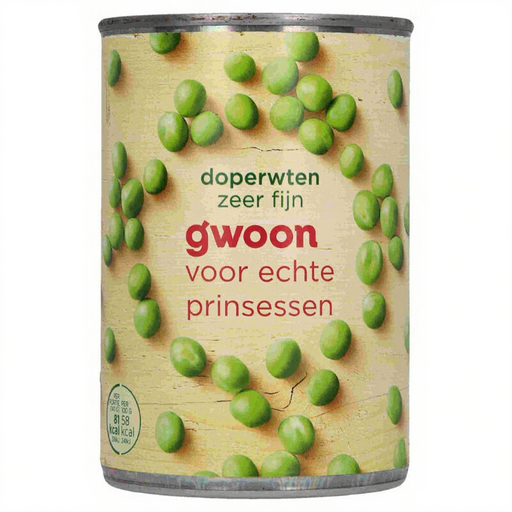
Why it fits this profile: A straightforward pack for everyday meals, with no complicated preparation. The product information lists peas and water as ingredients.
The 400g content stops you from buying a large stock all at once. The short ingredients list makes comparison easier.
400g; 5.5g fibre per 100g according to the product information; none of the 14 major EU allergens listed.
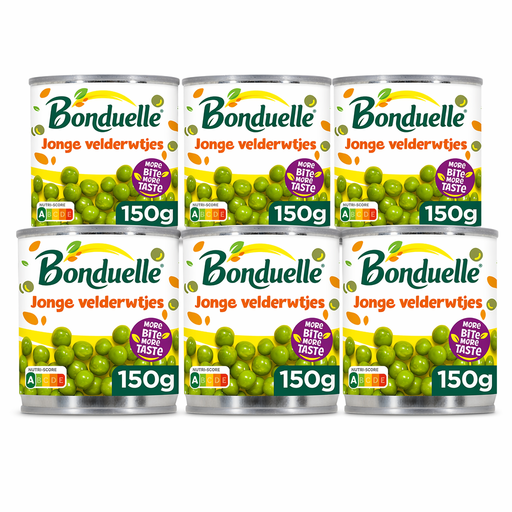
Why it fits this profile: The 150g portions are practical for meals where colour and a fixed quantity matter.
The multipack means you don't have to store a large opened tin. The portions help reduce waste.
6 x 150g; according to the product description, steam-vacuum cooked; 5g fibre per 100g according to the nutrition table.
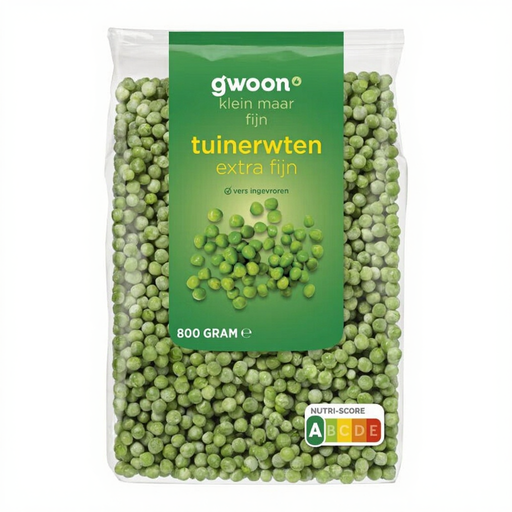
Why it fits this profile: An 800g frozen pack suits households that cook often and use garden peas in several dishes.
The loose frozen supply can be better matched to different recipes than several opened tins.
800g; according to the product information, 5.5g fibre per 100g; no added sugar listed in the nutritional information.
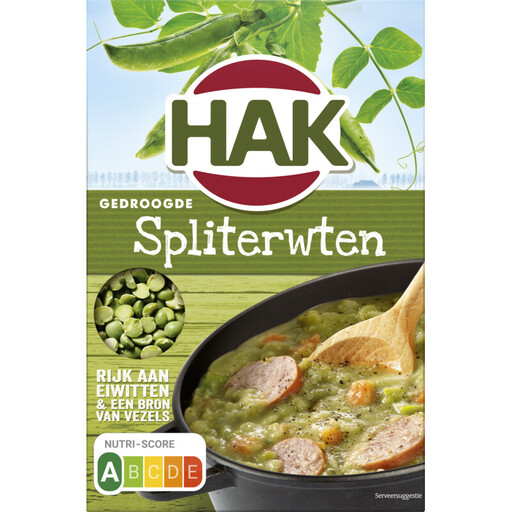
Why it fits this profile: A 500g pack is useful for soups, purées and meals for several people.
The pack lists dried peas as the ingredient. This makes it clear that you don't prepare this product the same way as canned garden peas.
500g; 6.4g fibre per 100g according to the product information; suitable for soup and larger cooking portions.
We've put together a full, up-to-date list of products that fully meet these strict selection criteria and comply with current European safety regulations.
It depends on the price per 100g, the packaging and how much you use. Frozen garden peas often have a larger volume and are handy for multiple meals. Canned garden peas are ready to use, so you don't need any cooking time. As well as the price, compare storage space and the amount you need to use after opening.
Unopened tinned and dried products can be stored until the date on the pack, provided they are kept cool, dry and out of direct sunlight. An opened tin should be stored chilled according to the instructions given. Frozen garden peas must stay frozen; after thawing, keep them chilled and use them within the stated time.
No. Garden peas are usually young, green peas sold fresh, tinned or frozen. Split peas are dried peas that have been split and are mainly used for pea soup, purée and stews. Always read the cooking instructions and check whether you're buying a quick vegetable or a dried pulse.
