
Vandaag of morgen in huis

Kwaliteit gegarandeerd

Welkomstaanbiedingen ontgrendelen: GRATIS bezorging | Tot 80% korting | Gratis 30 dagen JoyPlus-proefperiode
Download de app
Buying garden peas might seem straightforward, but the options vary considerably in size, preparation, shelf life and ingredients. Whether you're after a tin of garden peas for a quick meal, frozen garden peas for the freezer or dried peas for soup, it pays to look beyond just the brand and packaging.
Three common pitfalls to watch out for:
Below, you'll find practical pointers to consider before you order.
Tinned garden peas are already cooked and can usually be heated straight away. They're handy for weekday meals, purées, mash, and peas and carrots. When choosing a tin, look out for:
A dented, bulging or leaking tin is best avoided. Also, heat the contents in a pan or microwave-safe dish, not in the tin itself.
Fine and extra fine garden peas are generally smaller in size. That can be nice in a salad, as a side dish or in a smooth purée. Just check whether you're buying a product with only peas or a variety that includes water, salt or natural flavourings.
A smaller pack of 195g or 200g is suitable for one or two portions. For a family, packs of 350g to 800g or multipacks are often more practical.
Frozen garden peas are ideal when you want to measure out portions and keep the rest for later. Check that the packaging stays frozen during transport and storage. Once thawed, you should keep the product refrigerated according to the label and usually use it within the stated period. Refreezing is not recommended for many products.
Split peas and dried peas are mainly suitable for soup, purée and stews. They usually need to be rinsed and boiled. This means the preparation time is longer than with tinned or frozen varieties.
Pay extra attention to allergen information. For example, the product details of some dried peas mention gluten, while other varieties list only dried peas as an ingredient. Always check the current label before you order or cook.
A short ingredients list makes comparison easier. HAK 3/4 Split Peas Fine, for instance, lists peas, water and sea salt. The nutritional information per 100g states 69 kcal, 4.5g fibre and 0.21g salt. These are verifiable facts from the product information, not a general claim about the product's effects.
For HAK 1/2 Split Peas Extra Fine, alongside peas, water and sea salt, there is also a mention of sulphites. If you need to avoid allergens, it's wise to check the packaging and the current allergen information.
Don't just compare the price per pack. Work out the cost based on the amount you'll actually use:
A multipack can be good value, but only if you'll use the products within their shelf life and have enough storage space.
Store unopened tinned products in a cool, dry place. Once opened, they should generally be kept refrigerated and used within the stated time. Frozen products stay in the freezer until you need them. Dried peas should be stored in a dry, sealed container, away from heat and moisture.
For garden peas for soup and purée, dried peas are suitable if you have time for cooking. For a quick purée, fine peas from a tin are more practical. According to HAK's product description, you can mix drained peas with an equal amount of mashed potato and add a little liquid to achieve the desired consistency.
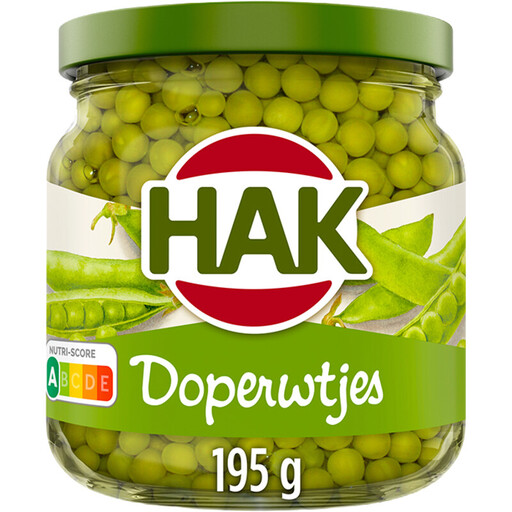
Why this fits the profile: The small pack is manageable for a first order or a household with low usage. The peas are suitable for a quick side dish or purée.
You don't buy a large stock before you know which texture and portion size suits you. Do check the current packaging on arrival.
195g; ingredients according to product information: peas, water and sea salt; 4.5g fibre per 100g according to the stated nutritional values.
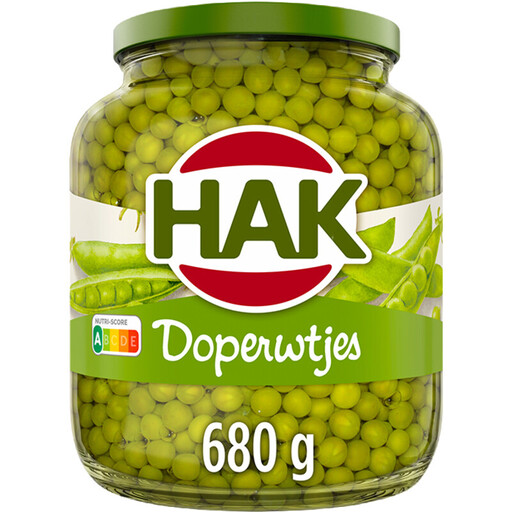
Why this fits the profile: The larger jar suits households that regularly use tinned garden peas for meals, purée or as a side dish.
The larger size reduces the chance you'll need multiple small packs. Do compare the price per drained weight.
680g; according to the product information 69 kcal, 4.5g fibre and 0.21g salt per 100g; Nutri-Score A as stated by the brand.
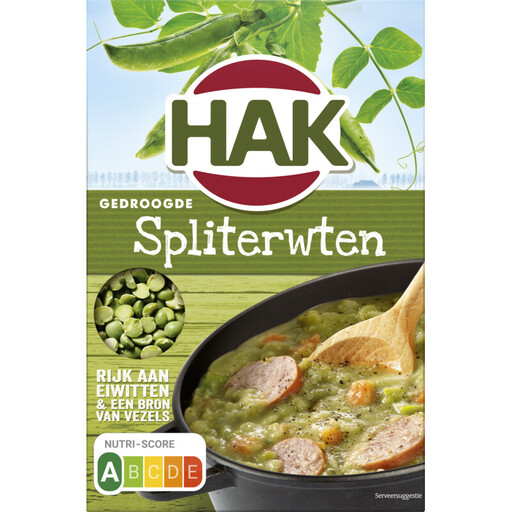
Why this fits the profile: This pack of dried peas is intended for soup, purée and meals where you can plan the cooking time yourself.
You consciously choose a dried product rather than a quick tinned option. Allow for cooking time and check the allergen information on the packaging.
500g; only dried peas according to the ingredients list; 6.4g fibre and 8.4g protein per 100g according to the stated nutritional values.
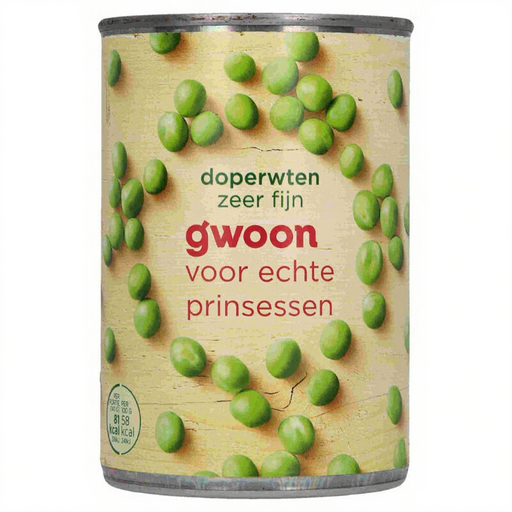
Why this fits the profile: This pack offers a middle ground between a small tin and a large stock of frozen garden peas. Suitable for pasta, stir-fries and a Dutch side dish.
You choose a clear variety with only garden peas according to the product information, without automatically buying a multipack.
400g; according to the product data 5.5g fibre and 4.8g protein per 100g; keep refrigerated after opening.
We've put together a full, up-to-date list of products that fully meet these strict selection criteria and comply with current European safety regulations.
Yes, tinned garden peas are usually already heated and therefore ready to use. Heat them briefly in a pan or add them at the end to a dish. Always check the instructions on the label.
Split peas are dried, split peas mainly used for soup and purée. Garden peas from a tin or the freezer are generally softer and quicker to prepare. The right choice therefore depends on the cooking time and the recipe.
Unopened tinned products and dried peas generally have a long shelf life, but the date on the packaging is what matters. Frozen garden peas must stay frozen. After opening or thawing, the use-by period is shorter; follow the storage instructions on the product.
