
Vandaag of morgen in huis

Kwaliteit gegarandeerd

Welkomstaanbiedingen ontgrendelen: GRATIS bezorging | Tot 80% korting | Gratis 30 dagen JoyPlus-proefperiode
Download de app
Buying fruit water and soft drinks online might seem straightforward, but product names and eye-catching packaging don’t always tell the full story. A bottle labelled “fruit” may contain very little fruit juice, while a drink boasting “vitamins” isn’t automatically suitable for everyday consumption. Likewise, the difference between a single bottle and a multipack affects price, storage and shelf life once opened.
With this practical guide, you can focus first on the information you can verify: nutritional values, ingredients, volume, carbonation, packaging and when you plan to drink it.
Mango, berries or apple on the front often refer to the flavour, not a high percentage of fruit. So check the ingredients list and the quantitative ingredient declaration. For example, g’woon Grape Lemon Flavoured Water contains 1.8% fruit juice from concentrate according to the product information. In contrast, g’woon Water Apple Cherry states 20% fruit juice from concentrate.
With a mango drink or mineral water with fruit flavour, the fruit taste may therefore come mainly from flavourings. That isn’t necessarily a problem, but it helps to match your expectations to the product.
A sugar-free soft drink may contain sweeteners. So don’t just look at the front; also check carbohydrates of which sugars and the full ingredients list. Volvic Touch of Fruit Mango Passion states 0 grams of sugar per 100 ml and uses sweeteners including sucralose and acesulfame-K.
Other drinks combine sugar and sweetener. Spa Fruit Still Blackberry Raspberry contains 2.8 grams of sugar per 100 ml according to the product description, along with steviol glycosides. “Low-calorie” doesn’t automatically mean sugar-free.
A soft drink multipack is practical for a family, office or store cupboard. At the same time, a pack of 6, 8, 12 or 24 bottles takes up a lot of space. So compare the price per litre, not just the total price.
Also pay attention to the packaging material and weight. For instance, g’woon Water Apple Cherry is sold as 8 bottles of 1.5 litres. Such a pack is suitable for home use, but less handy if you want to try small quantities.
Use the nutritional information per 100 ml as a fixed basis for comparison. Here are some examples from the range:
The last two are therefore a different choice from a low-calorie drink. CANTABILE also contains 31 grams of carbohydrates per 100 ml. If you’re mainly looking for a light thirst-quencher, it’s better to compare products with 0 to a few kcal per 100 ml.
Sparkling fruit water contains carbon dioxide and is often intended to be served chilled. Check whether you’re looking for a lightly sparkling, strongly sparkling or still drink. G’woon Grape Lemon and G’woon Raspberry Cranberry Sparkling Fruit are lightly carbonated. Sourcy Vitamin Water and Volvic Touch of Fruit are still drinks.
Smaller packs can be more convenient for on the go, while a 1.5-litre bottle is better suited to home use or with a meal. After opening, the product instructions generally recommend refrigeration and consumption within the period stated on the packaging.
A vitamin water or electrolyte drink has a different positioning from a regular fruit drink. Check the exact amounts per serving and any warnings.
Sourcy Vitamin Water Mango Guava states 0 grams of sugar per 100 ml and contains, according to the product information, vitamin C, vitamin B6, vitamin B12, biotin and magnesium. Claims about contributions to energy or other functions are health claims made by the brand and must be assessed in line with current EU rules; do not see them as a substitute for a varied diet.
Applied Nutrition NA11 Hydration contains, according to the product information, 500 mg of sodium, 190 mg of potassium and 56 mg of magnesium per 330 ml can, with 7 kcal and 0 grams of sugar. The packaging also states that this product is not recommended for children or pregnant or breastfeeding women. Always read the warnings before purchasing.
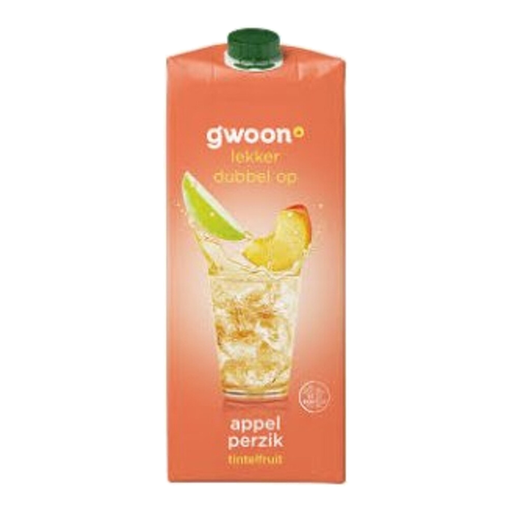
Why this fits the profile: A 1.5-litre bottle is suitable for sharing at home or keeping chilled in the fridge. The apple and peach flavour offers an alternative to regular soft drinks.
The product information states 0 kcal and 0.01 grams of sugar per 100 ml. Do check the actual label on arrival, as recipes can change.
1.5-litre capacity; lightly carbonated drink; 2% fruit juice from concentrate according to the product description.
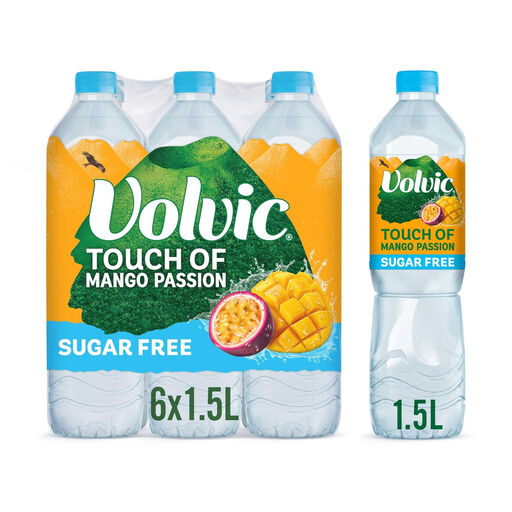
Why this fits the profile: This bundle suits households that want a regular supply and are looking for a still drink with mango and passion fruit flavour.
The product information states 1 kcal and 0 grams of sugar per 100 ml. According to the ingredients list, the fruit flavour comes from natural flavourings.
6 bottles of 1.5 litres; natural mineral water as a base; mango and passion fruit flavour.
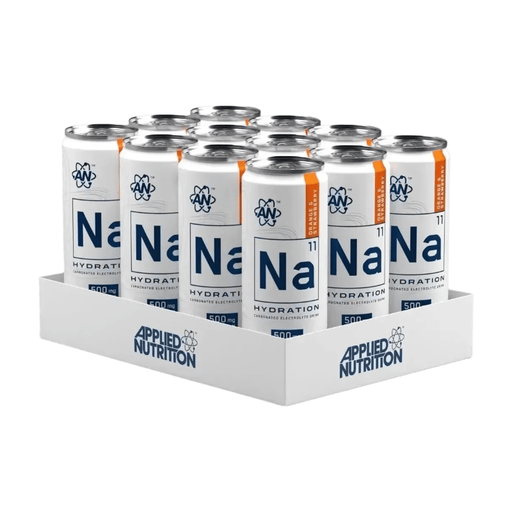
Why this fits the profile: A 330 ml can and a multipack of 12 suit active adults who want to be able to check the composition per serving.
The amounts of sodium, potassium and magnesium are listed per 330 ml. The product contains 0 grams of sugar and the packaging includes specific usage warnings.
500 mg of sodium per can according to the product information; 7 kcal; 12 cans per pack; sugar-free.
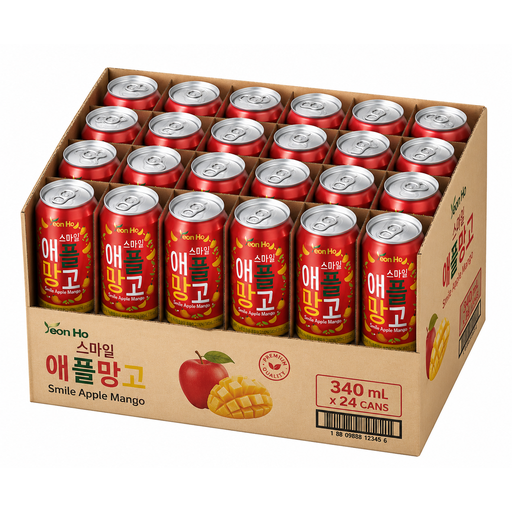
Why this fits the profile: The small bottles are easy to divide per person, and the apple and mango variant suits anyone looking for a sweeter fruit drink.
The product information clearly shows 33 kcal and 8.5 grams of sugar per 100 ml. This means the sweeter composition can be compared with low-calorie options in advance.
24 bottles of 340 ml; apple and mango purée in the ingredients list; origin South Korea according to the product information.
We’ve put together a full, up-to-date list of products that fully meet these strict selection criteria and comply with current European safety regulations.
Fruit water usually consists of water with fruit juice, flavourings or sweeteners, and can be still or lightly sparkling. Soft drinks often contain more sugar, carbonation or a pronounced flavour profile. The exact boundary isn’t just the product name: look at the ingredients and nutritional values per 100 ml.
Store opened bottles according to the label. For the products mentioned, the instructions generally say to keep them refrigerated after opening, seal them tightly and use them within the stated period. With sparkling fruit water, pay extra attention to the seal, as carbonation can diminish after opening.
That varies by offer and packaging. Calculate the price per litre and take into account the volume per bottle, delivery costs and the amount you’ll actually use. A large soft drink multipack is mainly practical when you already know the flavour and have enough storage space.
