
Vandaag of morgen in huis

Kwaliteit gegarandeerd

Welkomstaanbiedingen ontgrendelen: GRATIS bezorging | Tot 80% korting | Gratis 30 dagen JoyPlus-proefperiode
Download de app
A bottle of fruit syrup might seem like a simple choice. But differences in sugar content, fruit percentage, sweeteners, dosage and bottle size can have a big impact on your purchase. What’s more, a striking fruit flavour doesn’t automatically mean there’s a lot of fruit in the bottle.
If you’re looking to buy fruit syrup online, it pays to look beyond just the front of the packaging. Pay close attention to the nutritional information, ingredients list and how much drink you can make from a single bottle.
Words like strawberry, raspberry, orange or tropical fruit mainly tell you about the flavour direction. They don’t automatically reveal how much fruit juice or fruit purée has been added. A strawberry syrup, for example, could consist mostly of water, sugar, sweeteners and flavouring, while another variety clearly states its fruit percentage.
So always check the ingredients list. Is fruit juice or fruit purée listed near the top? Then the proportion is usually more significant than if fruit appears further down.
A sugar-free fruit syrup may contain sweeteners such as sucralose, acesulfame K, steviol glycosides or other sweetening agents. That’s not the same as a product without any sweeteners. Also look at the nutritional values per 100 ml of syrup and the recommended dilution ratio.
For example: according to the product information, Slimpie Raspberry Syrup contains 0 grams of sugar and 1 kcal per 100 ml of syrup. Raak Zero Pear Syrup also states 0 grams of sugar and 1 kcal per 100 ml. Such values are only comparable when you use the same preparation ratio.
A 600 ml or 750 ml bottle can yield different amounts of diluted drink. Karvan Cevitam and various Raak varieties state that one bottle makes around 6 litres of drink, or roughly 30 glasses of 200 ml. According to the product information, Slimpie Raspberry uses a ratio of 1 part syrup to 11 parts water, giving nearly 8 litres.
So compare the price per litre of prepared drink, not just the price per bottle.
For a clear fruit flavour, the type of fruit and the amount used are both important. A multi-fruit syrup might combine apple, orange, passion fruit, pear and pineapple. A tropical fruit syrup could contain mandarin, pineapple, mango and passion fruit instead.
Look out for the difference between:
With a raspberry syrup or blackcurrant syrup, it’s worth checking what proportion of raspberry or blackcurrant is actually stated. According to the product information, Karvan Cevitam Raspberry Original contains 75% fruit juice from concentrate, including 12% raspberry. With Slimpie Raspberry, it’s 5% fruit juice from concentrate, of which 2.5% raspberry and 2.5% apple.
Regular syrups often contain sugar or glucose-fructose syrup. Other products combine sugar with sweeteners to reduce the sugar content. Raak Strawberry Syrup, for example, states 6.8 grams of sugar and 28 kcal per 100 ml of syrup. According to the product information, Karvan Cevitam Multifruit Zero states 0.5 grams of sugar and 8 kcal per 100 ml.
If you’re specifically looking for a zero syrup, it’s best to check:
A large bottle is practical for families, but only good value if the flavour and dosage suit how you’ll use it. Also check whether the syrup needs to be refrigerated after opening. Many fruit syrups state on the product information that the bottle should be stored in the fridge once opened.
For mocktails, desserts and baking, a concentrated flavour is often more important than the number of glasses you can make. A sweeter syrup may also be less suitable if you want to control the amount of sugar in a recipe yourself.
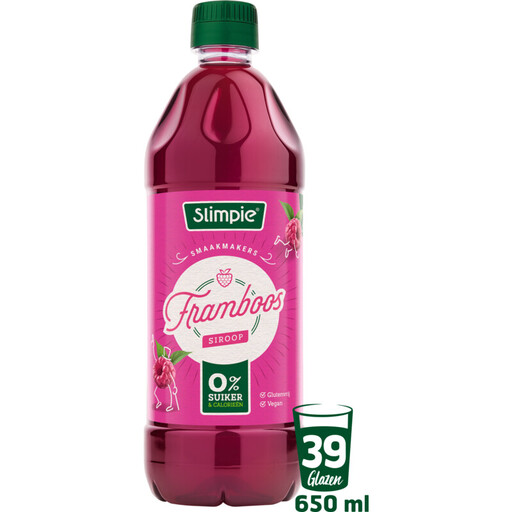
Why this fits the profile: A practical choice for families looking for a sugar-free raspberry syrup who want to get plenty of glasses from one bottle. According to the product information, the mixing ratio is 1 to 11, yielding nearly 8 litres of drink.
The product information clearly states 0 grams of sugar and 1 kcal per 100 ml of syrup. So you don’t have to rely on the term “zero” alone.
650 ml content, 0 grams of sugar according to the product specification, labelled as vegan and gluten-free.
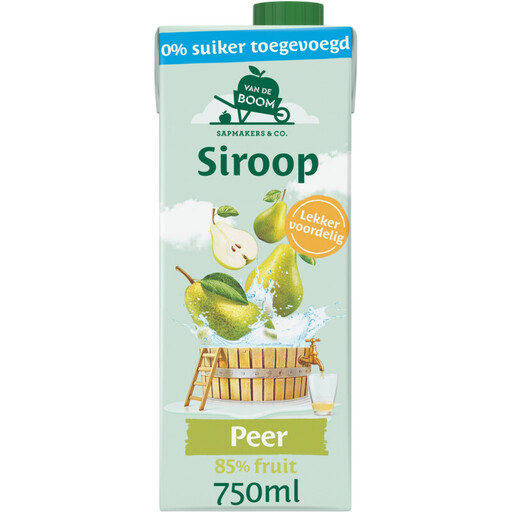
Why this fits the profile: For those who prioritise a high stated fruit content. According to the product information, this pear syrup contains 85% fruit and no added sugars.
The fruit percentage and nutritional values are stated in the product information, so the choice isn’t based on the name “pear syrup” alone.
750 ml content, 85% fruit according to the product specification and approximately 30 glasses per pack.
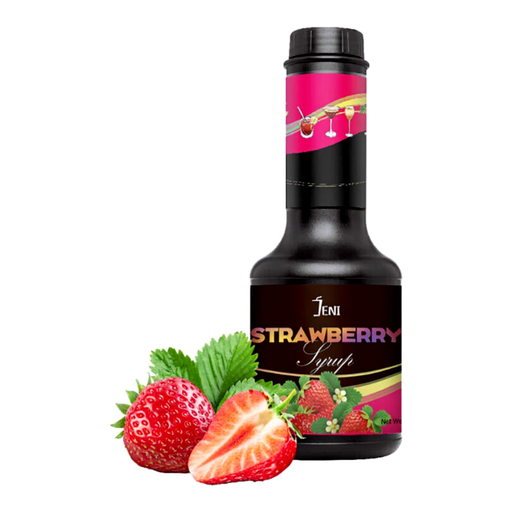
Why this fits the profile: The bottle is designed for drinks, cocktails, desserts and baking. So this strawberry syrup suits users who want to do more than just mix it with water.
The product description mentions real strawberry purée and separately lists sugars and sweeteners. Always check the current packaging before purchase, though.
456 ml/600 g, strawberry purée according to the product description and suitable for drinks and desserts.
We’ve put together a full, up-to-date list of products that fully meet these strict selection criteria and comply with current European safety regulations.
If you have allergies, always check the current ingredients list on the packaging. Product information can change, and a statement that the 14 main EU allergens are absent is no substitute for your own check.
That depends on the mixing ratio. Many bottles of 600 to 750 ml are good for around 6 litres of drink according to the product information, which works out at roughly 30 glasses. Some sugar-free varieties use a stronger dosage and yield more prepared drink. Follow the instructions on the bottle for a fair comparison.
For many fruit syrups, refrigerated storage after opening is recommended. Seal the bottle tightly and check the shelf-life information on the label. Store an unopened bottle according to the manufacturer’s instructions, usually in a cool place away from direct sunlight.
Not necessarily, but many zero and sugar-free products do have a low energy value. Check the nutritional information table per 100 ml of syrup and also pay attention to the dilution ratio used. That way you can compare Slimpie, Karvan Cevitam Zero and other varieties on the same basis.
