
Vandaag of morgen in huis

Kwaliteit gegarandeerd

Welkomstaanbiedingen ontgrendelen: GRATIS bezorging | Tot 80% korting | Gratis 30 dagen JoyPlus-proefperiode
Download de app
When you want to buy fruit snacks online, you'll quickly see a huge range: from fruit biscuits and fruit cookies to strawberry cookies, fruit bars and fruit sweets. However, a picture of strawberries or blueberries doesn't automatically tell you how much fruit is actually in a product. Terms like "natural", "with fruit flavour" and "vegan" also call for a closer look at the ingredients list.
In this buying guide, the Joybuy Product Recommendation Officer has set out the most important points to consider. This way, you can compare products based on verifiable information, rather than just packaging and marketing.
A biscuit with strawberry or blueberry flavour can be made mostly from wheat flour, sugar and vegetable oil. Sometimes fruit flavour is added using flavouring or a small amount of fruit powder. For example, the NIKKO Strawberry Cookies Japanese 90 G lists wheat flour, sugar, vegetable oil and strawberry flavouring in the product information.
If you want to compare real fruit content, look at percentages such as dried apricot, raisins, fruit purée or fruit concentrate. A fruity picture on the packaging is no proof of that.
A product can contain no added sugar and still have naturally occurring sugars. The De Kleine Keuken Organic Fruitjes with Apricots 20 g are made with apricots, dates and bananas according to the product description, and contain only naturally occurring sugars. That doesn't make the product sugar-free.
Always compare the nutritional values per 100g and pay attention to the portion size. Dried fruit and fruit purée can be concentrated.
Vegan fruit sweets contain no animal ingredients, but they are still sweets with sugar. Also check that the allergen information fully matches your situation. For biscuits containing milk, egg, soya or gluten, it's important to read the packaging.
For young children, different points apply. A baby fruit snack could be a purée or soft fruit snack, whereas a hard or sticky sweet isn't automatically suitable. Always check the recommended age, preparation instructions and warnings on the packaging.
Ingredients are usually listed in descending order. If wheat flour or sugar is at the top, the product is mainly a biscuit or sweet with fruit flavour. If dried fruit or fruit purée comes first, fruit plays a bigger role in the composition.
Examples:
These percentages help you compare fruit biscuits, fruit cookies and biscuits with fruit flavour more fairly.
A small pack might seem light, but per 100g the differences can be significant. Look out for:
For example, the LiGA Oat Kick Forest Fruits lists 382 kcal, 31g sugars and 4.6g fibre per 100g. The Meiji Chocorooms lists 566 kcal and 37.8g sugars per 100g. These are different types of snacks, so don't compare on fruit flavour alone.
The fourteen main EU allergens must be clearly indicated. Check especially for gluten, milk, egg, soya and nuts. Cross-contamination may be stated as "may contain traces".
For children, also read:
For the Olvarit Fruit Snack, the product information states an age recommendation from 6 months and that any opened leftovers should be kept refrigerated and used within 48 hours. Always follow the current packaging; online information may differ.
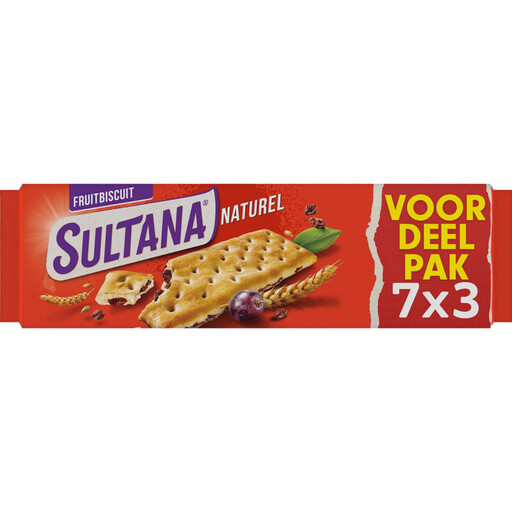
Why this fits the profile: The value pack is handy for families or anyone who regularly takes a portion on the go. The biscuits are packed in threes.
The product information states 35% dried grapes and no artificial colours or flavourings. Check the current packaging for the final composition.
306g content, portion packaging and 4.4g fibre per 100g according to the stated nutritional values.
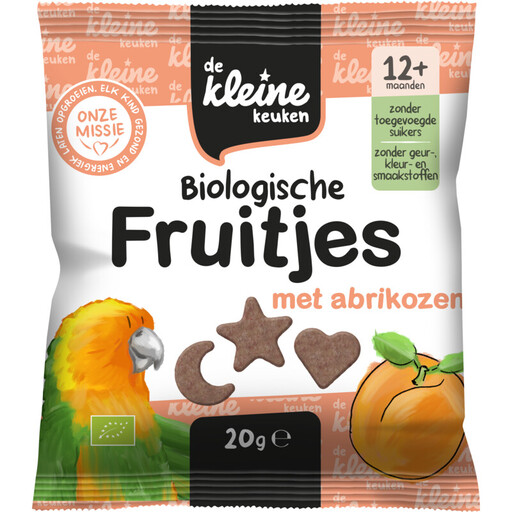
Why this fits the profile: A small organic fruit snack for parents specifically looking for a product suitable from 12 months.
The ingredients and recommended age are clearly stated. It also mentions that the product may contain traces of nuts.
20g, organic ingredients and a composition with apricots, dates and bananas.
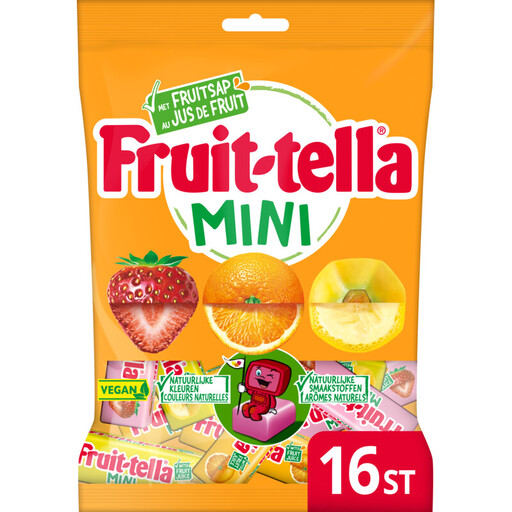
Why this fits the profile: Individually wrapped mini sweets are practical for sharing, parties, on-the-go or for a cupboard with different flavours.
The product information states the product is vegan and lists none of the fourteen main EU allergens. Check the label if you have allergies.
203g, mini sticks with strawberry, banana and orange flavour and individual wrapping.
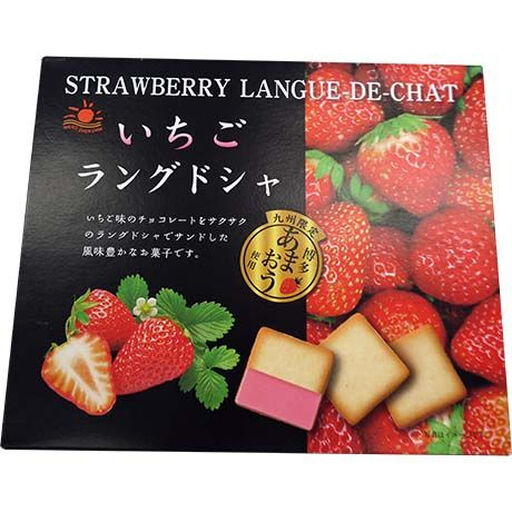
Why this fits the profile: A compact Japanese snack for anyone wanting to try strawberry cookies and international biscuit varieties.
The origin, vegetarian suitability and listed allergens are available in the product information.
90g, origin Japan and a clear strawberry flavour with wheat flour and egg as main ingredients.
We've put together a full, up-to-date list of products that fully meet these strict selection criteria and current European safety regulations.
Fruit biscuits and fruit cookies usually contain flour, oil or butter and are baked. Fruit sweets typically consist of sugar, glucose syrup, fruit concentrate, flavourings and a binding agent such as pectin or gelatine. Check the ingredients and nutritional values to see the difference.
That depends on the product. Some baby products are labelled from 6 or 12 months, whereas ordinary biscuits or sweets are not intended for that age group. Check the age, texture, allergens and warnings on the packaging. If in doubt, don't choose a product that isn't clearly marked for that age group.
Store unopened snacks in a cool, dry place away from direct sunlight. Seal an opened pack tightly to prevent moisture and loss of quality. For baby products, stricter instructions may apply, such as refrigerating after opening. Always follow the instructions on the label.
