
Vandaag of morgen in huis

Kwaliteit gegarandeerd

Welkomstaanbiedingen ontgrendelen: GRATIS bezorging | Tot 80% korting | Gratis 30 dagen JoyPlus-proefperiode
Download de app
When you want to buy fruit snacks, you’ll quickly see a wide range: from fruit sweets and fruit candies to fruit bars, fruit jelly sticks and Chinese fruit snacks. But the name alone doesn’t always tell you how much fruit is actually in them. Some products are essentially sweets with fruit flavouring, while others are made from dried fruit, fruit purée or hawthorn.
Making a good choice therefore starts not with the packaging, but with the label. Pay particular attention to these three common pitfalls:
Ingredients are listed on the label in descending order by weight. If sugar, glucose syrup or malt syrup appears near the top, it’s likely a sweet snack where fruit plays a smaller role. If, for example, mango, apricot, date or hawthorn is listed as the first ingredient, the fruit content is more clearly substantiated.
With a dried fruit snack, it’s also useful to check whether preservatives, sulphites or extra flavourings have been added. With Chinese fruit snacks, such as hawthorn snacks, traditional ingredients can be combined with sugar or syrup. The taste is often sweet and sour, but that doesn’t automatically make it a healthy fruit snack.
Compare the nutritional values per 100 grams, but also look at the actual portion. A 200-gram bag can consist of several small portions. Fruit sweets, soft fruit candies and jelly products often contain relatively high levels of carbohydrates and sugars.
Some examples from the range:
These figures help you compare snacks more fairly. A lower sugar content is no guarantee that a product is suitable for every age or situation.
For babies and young children, age indications, texture and preparation instructions are more important than an appealing fruit flavour. An organic fruit snack for babies should always be used according to the age recommendation on the packaging. The product information for De Kleine Keuken Organic Fruitjes with Apricots states use from 12 months. Ella’s Kitchen The Yellow One Fruitsmoothie and OLVARIT Fruit Snack Apple Strawberry Pear are suitable from 6 months according to their product information.
Also watch out for allergens:
Always read the current packaging. The information on a website may differ from the packaging or be updated later.

Why this fits the profile: A compact size for anyone looking for ordinary cherry-flavoured fruit sweets without buying a large pack straight away.
The product information makes the composition clear: sugar, glucose syrup and flavouring are listed. The product is therefore not presented as dried fruit.
110 grams, cherry flavour and, according to the product information, none of the 14 major EU allergens.
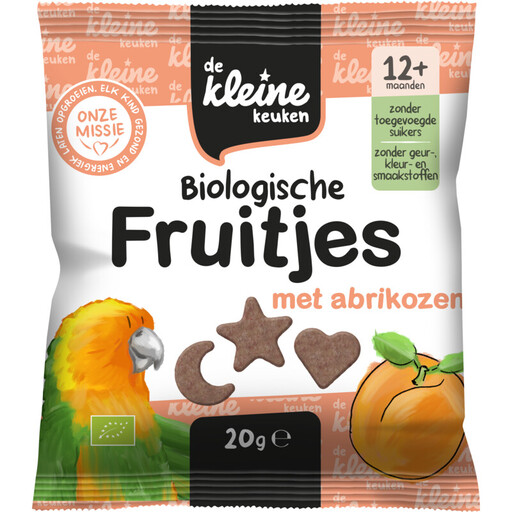
Why this fits the profile: A small organic fruit snack for babies from 12 months, with a short ingredients list.
The product information lists 44% dried apricot, 44% date, 8% banana and 4% rice flour. The age recommendation is clearly stated.
20 grams, organic ingredients and no added sugar according to the product description. May contain traces of nuts.
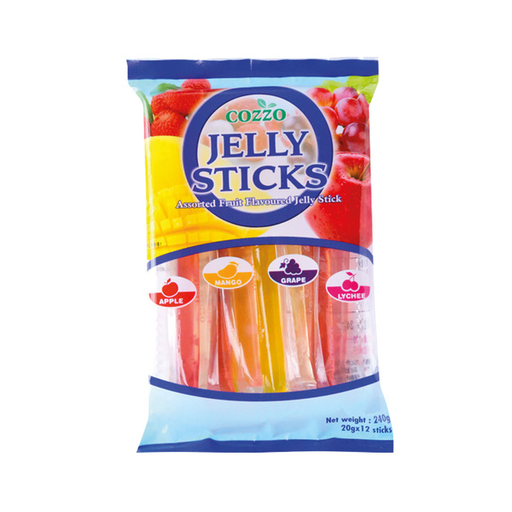
Why this fits the profile: Handy for parties, lunchboxes or on the go thanks to 12 individually wrapped sticks in different fruit flavours.
The pack contains 20 grams per stick and the product information lists the four flavours and colourings used. This allows you to assess portions and ingredients in advance.
240 grams total, 12 individual sticks and, according to the product information, none of the 14 major EU allergens.
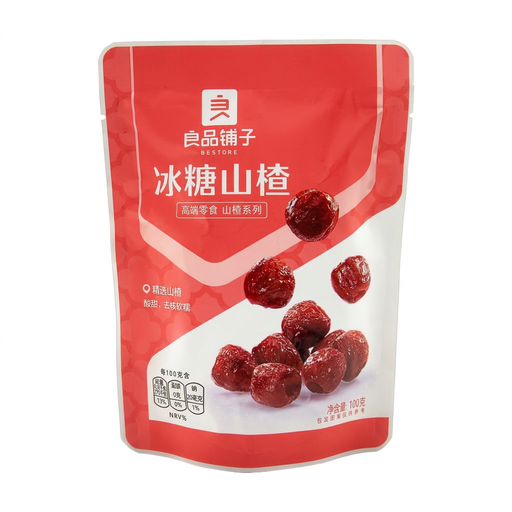
Why this fits the profile: A sweet-and-sour hawthorn snack with a traditional Chinese flavour profile, ideal for anyone wanting to compare fruit bars and hawthorn products.
The label states the hawthorn content of 67.73% and also clearly indicates the presence of rock sugar and white sugar.
100 grams, 67.73% hawthorn according to the product information and ready to eat.
We’ve put together a full, up-to-date list of products that fully meet these strict selection criteria and comply with current European safety regulations.
That depends on the product. Check the age recommendation, texture, allergens and any warnings on the packaging. A fruit snack for babies is not automatically suitable for older children or adults, and vice versa. With young children, follow the manufacturer’s instructions and always supervise safe eating.
A fruit bar typically contains dried fruit, fruit purée or a combination of these. Fruit sweets and jelly sticks are usually confectionery with sugar, flavourings, gelling agents and sometimes a limited amount of juice. The ingredients list and fruit percentage give a more reliable picture than the product name.
Most dried fruit snacks, fruit bars and sweets should be stored in a cool, dry place away from direct sunlight. Seal the packaging well after opening. Baby fruit purée usually needs to be refrigerated after opening and used within the stated time. For frozen products, such as jelly ice lollies, follow the temperature and defrosting instructions on the packaging.
