
Vandaag of morgen in huis

Kwaliteit gegarandeerd

Welkomstaanbiedingen ontgrendelen: GRATIS bezorging | Tot 80% korting | Gratis 30 dagen JoyPlus-proefperiode
Download de app
Are you looking to buy fruit drinks online for breakfast, a family meal or a party? Comparing options might seem straightforward, but the difference between fruit juice, fruit nectar and fruit drink is greater than the packaging sometimes suggests. A striking fruit flavour on the label doesn't tell you much about the juice content, the amount of sugar or whether it's suitable for everyday use.
Pay particular attention to three common pitfalls:
First, check whether you’re buying 100% fruit juice, nectar or a fruit drink. With a drink that has 100% fruit content, the product information confirms the contents are fruit juice or fruit purée, possibly from concentrate. A fruit drink may also contain water, sugar, sweeteners, milk ingredients or thickeners.
Examples from the range:
If you’re specifically looking for mango drink, passion fruit drink, lychee drink or guava drink, it’s worth checking the ingredients list. The flavour name on the front doesn’t always mean that fruit makes up the largest proportion.
Use the nutritional information table, not just claims like “light” or “refreshing”. Always compare the same unit: per 100 ml. This way you’ll see the difference between a drink with added sugar and one without added sugar.
The Iam Superjuice varieties in mango, passion fruit and pink guava state no added sugar in the product description and have 17, 17 and 16 kcal per 100 ml respectively. The mango and passion fruit versions are sweetened with steviol glycosides. That doesn’t make them sugar-free; check the actual packaging for the exact nutritional values.
Taksi Tropical Fruit No Added Sugar also states no added sugar, but does contain milk ingredients and fruit concentrate. For a household with allergies, it’s not just the sugar information that matters but also the allergen declaration.
A fruit drink multipack with 330 ml cans is practical for on the go, work, visitors or a lunchbox. A 1-litre or 1.5-litre carton is more convenient for breakfast and meals, but takes up space in the fridge once opened.
Check before you buy:
With Asian fruit drinks, such as Sagiko Mixed Fruit Drink and Sagiko Lychee Drink, you’ll often find smaller 320 ml packs. These are suitable as individual portions. Sagiko Mixed Fruit contains soursop purée, pineapple, mango and guava purée among others. Sagiko Lychee contains lychee purée. Both product descriptions state none of the fourteen main EU allergens, but always check the label on the pack you receive.
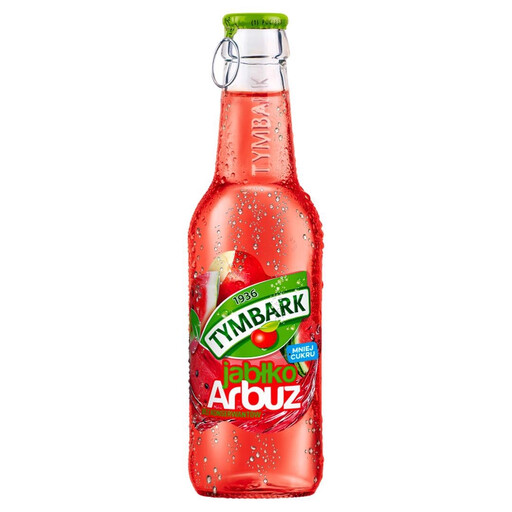
Why this fits the profile: The 250 ml portion is manageable for a first purchase, a lunch or a moment on the go. The combination of apple and watermelon is a change from standard fruit juice.
The small pack stops you buying a large carton without knowing whether you’ll like the flavour. The ingredients list states 19% apple juice concentrate and 1% watermelon juice concentrate.
250 ml per pack; according to the product information 19 kcal per 100 ml and no declarable allergens.
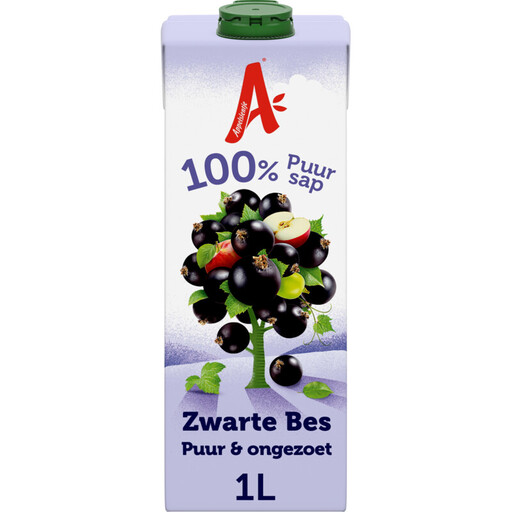
Why this fits the profile: This multi-fruit drink is aimed at shoppers who value a clear ingredients list and a high fruit content for breakfast or a meal.
The product information states 100% fruit juice from concentrate and no added sugar. This makes it easier to judge the difference compared with a sweetened fruit drink.
1 litre volume; apple, white grape, blackcurrant and aronia; according to the product information 12 mg vitamin C per 100 ml.

Why this fits the profile: The box of twelve 330 ml cans is practical for parties, stocking up at home, work or regular use on the go.
The portions are pre-divided, so a large opened pack is less likely to be left standing. The product description states 30% mango juice and no added sugar.
12 × 330 ml; 3.96 litres total; according to the product information 17 kcal per 100 ml.
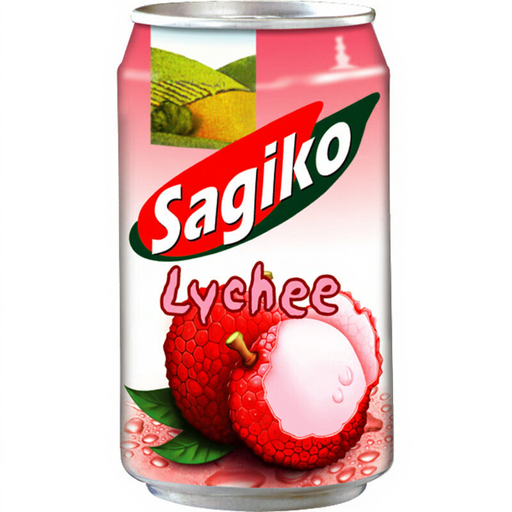
Why this fits the profile: The lychee drink offers a distinctly sweet and aromatic fruit flavour in an individual 320 ml pack, perfect alongside an Asian meal or tasting session.
The small pack limits waste when you want to try a less everyday flavour first. The ingredients list includes lychee fruit purée as a recognisable component.
320 ml per bottle; lychee purée in the ingredients list; according to the product information 43.75 kcal and 10.62 g sugar per 100 ml.
We’ve put together a full, up-to-date list of products that fully meet these strict selection criteria and comply with current European safety regulations.
Fruit juice consists of juice from fruit, possibly from concentrate. A fruit drink may also contain water, sugar, sweeteners, flavourings, milk ingredients or other ingredients. So always check the fruit percentage and the ingredients list.
No. Fruit naturally contains sugars. Some products may also use sweeteners. Look at the nutritional information table per 100 ml and pay attention to both “of which sugars” and the full ingredients list.
A 1-litre to 1.5-litre carton is suitable for breakfast and meals. A multipack with 330 ml cans is more convenient for portions, on the go and stocking up. Bear in mind fridge storage after opening and check the instructions on the label.
