
Vandaag of morgen in huis

Kwaliteit gegarandeerd

Welkomstaanbiedingen ontgrendelen: GRATIS bezorging | Tot 80% korting | Gratis 30 dagen JoyPlus-proefperiode
Download de app
When you’re looking to buy fruit drinks online, you’ll quickly come across a range of different terms: fruit juice, fruit nectar, fruit drink, mango drink and fruit yoghurt drink. The packaging may promise a strong fruit flavour, but the fruit content, sugar levels and pack sizes can vary considerably.
These checks will help you avoid a purchase that doesn’t suit your family, your store cupboard or your daily routine.
A product labelled sap zonder toegevoegde suiker (no added sugar) can still contain naturally occurring sugars from fruit. Always check the nutritional information under “of which sugars”. For example, Taksi Tropical Fruit Drink lists 2.4 grams of sugar per 100 ml and the use of sweetener. Wicky Mango Fruit Drink shows less than 0.1 grams of sugar per 100 ml, but again sweeteners have been added.
So “no added sugar” doesn’t automatically mean a drink is free from sweeteners or natural sugars.
A 1-litre fruit drink or a multipack may seem good value, but the fruit content varies from product to product. Maaza Mango Drink states 17% mango purée, while DubbelDrank Apricot Orange Juice contains at least 46% fruit. The flavour profile, texture and nutritional values are therefore not directly comparable.
Look beyond the front of the pack and check the ingredients list. Ingredients are listed in descending order. Water or sugar at the top tells a different story to a high proportion of fruit purée or fruit juice.
A 1-litre fruit drink is handy for breakfast or a family meal, but less practical for school, work or on the go. Small bottles, drink pouches and cans are easier to take with you, but can work out more expensive per litre. When you see a fruit drink offer, always check the price per litre, not just the price of the pack.
Pay attention to the difference between:
A high fruit percentage doesn’t guarantee the taste will suit everyone. A mango drink with purée is generally thicker in texture than a light apple or berry drink.
Compare the table per 100 ml. Focus on:
Product claims about vitamins should be read as information from the brand and checked on the label. According to the product information, DubbelDrank lists added vitamin C and D. Taksi lists vitamin C. That doesn’t tell you whether the drink is suitable for your overall diet.
A large pack is convenient for multiple servings, but must be kept refrigerated after opening. Check the instructions on the pack and pay attention to the best-before date. Small packs are usually easy to take with you unopened. Once opened, even a small bottle usually needs to be kept chilled and used within the stated time.
For a household, a multipack is a good option if the flavour is one you drink regularly. For occasional use, a single bottle or carton can help avoid waste.
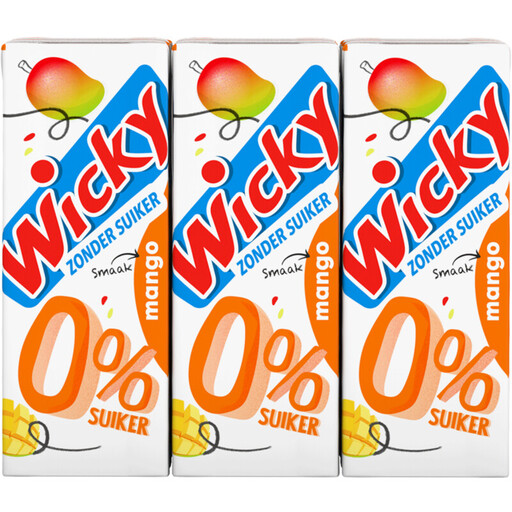
Why it fits the profile: The six 200 ml portions are ideal for school, a lunchbox or a quick drink. According to the product information, the drink contains less than 0.1 grams of sugar per 100 ml and has added vitamin C.
The portion-sized pack prevents a large carton sitting open in the fridge for too long. Do check the sweeteners used and the very low mango content of 0.2% on the label.
6 x 200 ml, less than 0.1 g sugar per 100 ml according to the product information, and suitable for drinking on the go.
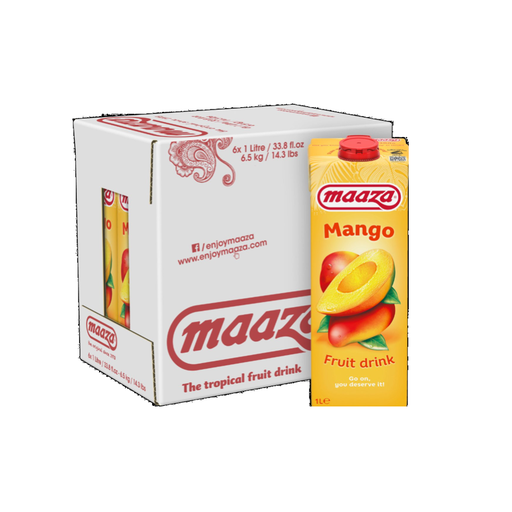
Why it fits the profile: This multipack is aimed at fans of a distinctive mango drink for breakfast, meals or when entertaining. The product information states 17% mango purée and 46 kcal per 100 ml.
The fruit content is clearly stated, so you’re not judging a tropical drink by the picture alone. The pack is quite large, so check your storage space beforehand.
6 litres total, 17% mango purée and a pack size suitable for a household or regular consumption.

Why it fits the profile: The tray of 12 cans at 330 ml each is practical for stocking up, work, meals or a larger group. According to the product information, the drink contains 30% passion fruit juice and 17 kcal per 100 ml.
The juice percentage and nutritional values are stated, so “tropical” isn’t your only buying information. When buying a multipack, always compare the price per litre and check the storage instructions.
12 x 330 ml, 30% passion fruit juice according to the product information, and no added sugar according to the product description.
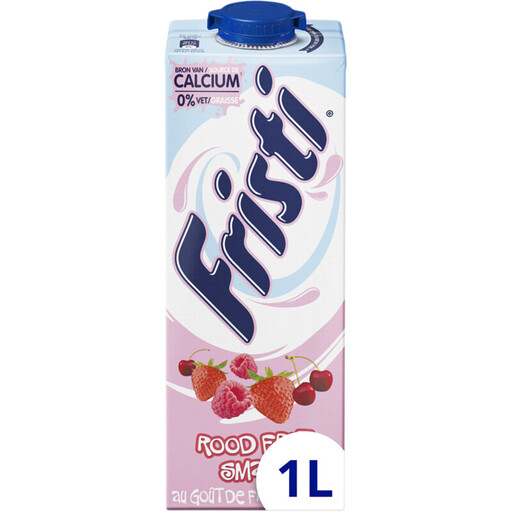
Why it fits the profile: The litre carton is designed for sharing at breakfast, lunch or as a snack. The product information states 0% fat, 2 grams of protein and 70 mg of calcium per 100 ml.
The nutritional values and milk content are visible upfront. Be aware of the milk allergen and keep the drink refrigerated after opening, as stated on the pack.
1 litre, red fruit flavour, 0% fat according to the product information and a source of calcium according to the product claim.
We’ve put together a full, up-to-date list of products that fully meet these strict selection criteria and comply with current European safety regulations.
Choose a pack of around 200 to 500 ml with a secure lid or an individual drink pouch. Check the sugar, sweeteners and allergens beforehand. A small size stops you having to carry or store an opened litre carton.
No. Fruit naturally contains sugars. Some products may also contain sweeteners. So compare the “of which sugars” line per 100 ml with the ingredients list. The “no added sugar” claim should always be assessed alongside this information.
A multipack is especially practical when you drink the product regularly. Divide the total price by the number of litres and compare that with individual packs. Also consider storage space, shelf life and whether everyone in the house likes the same flavour. That way, a fruit drink offer won’t leave you with unused cartons.
