
Vandaag of morgen in huis

Kwaliteit gegarandeerd

Welkomstaanbiedingen ontgrendelen: GRATIS bezorging | Tot 80% korting | Gratis 30 dagen JoyPlus-proefperiode
Download de app
When you want to buy fruit drinks online, you’ll quickly come across lots of colourful packaging, exotic flavours and multi-packs. Yet an attractive pack tells you little about the fruit juice content, the sugar level or how practical it actually is. Whether it’s for home, school lunchboxes, on the go or a party, what really matters is the composition, volume and packaging.
With these checks, you can compare fruit juice, a tropical fruit drink, coconut water and international soft drinks in a clear, level-headed way.
A drink can have an orange, mango or passion fruit flavour, while the actual juice content is limited. Always check the ingredients list and look for terms like fruit juice from concentrate, fruit purée and the stated percentage. A flavour mention on the front is no proof of a high fruit content.
For example: Capri-Sun Orange contains 10% concentrated fruit juice according to the product information, including 6% orange juice and 4% lemon juice. That makes it a fruit drink with juice, not the same as pure fruit juice.
A fruit drink with no added sugar can still contain naturally occurring sugars from fruit. Sweeteners may also be used. So always check the carbohydrate and sugar table per 100 ml, as well as the ingredients list.
Iam Superjuice Mango, for instance, states no added sugar and uses steviol glycosides as a sweetener. The product information shows 17 kcal per 100 ml and 30% mango juice. These are verifiable product specs, but taste preference remains a personal thing.
A box of ten or twelve packs might seem convenient, but look at the total volume, shelf life and storage space. A 10-pack of 200 ml gives you 2 litres; a tray of twelve 330 ml cans gives you 3.96 litres. So divide the price by the number of litres or portions.
Also consider the packaging: pouches are handy for on the go, while bottles and cans often suit mealtimes or a pantry better.
Make a distinction between:
With pomegranate juice, for example, the composition can vary a lot. DIMES Nar Suyu lists water and pomegranate juice concentrate as ingredients, with a volume of 1 litre. The nutritional information on the product page shows 10.1 grams of sugar per 100 ml. So don’t just compare the name “pomegranate juice” – compare the actual ingredients too.
Use the nutrition table as your standard basis for comparison. Look at:
A low-calorie drink can still contain sweeteners. Conversely, a juice with no added sugar can be relatively high in natural sugars. According to the manufacturer’s product information, Iam Superjuice Passionfruit contains 30% passion fruit juice, no added sugar and 17 kcal per 100 ml. Always check the label on delivery, as product compositions can change.
For school, days out and sports days, portion packs like Capri-Sun are practical. Capri-Sun Orange comes as 10 x 200 ml and contains juice and mineral water according to the product information. The packaging states no artificial colourings or preservatives. The drink does contain sugar and stevia, so check the nutrition table here too.
For home use, 1-litre cartons or trays of cans are often more efficient. Once opened, many fruit drinks need to be kept refrigerated and used within the time stated on the pack. Store unopened products according to the label: cool, dry and out of direct sunlight. Also check the best-before date and the condition of the packaging.
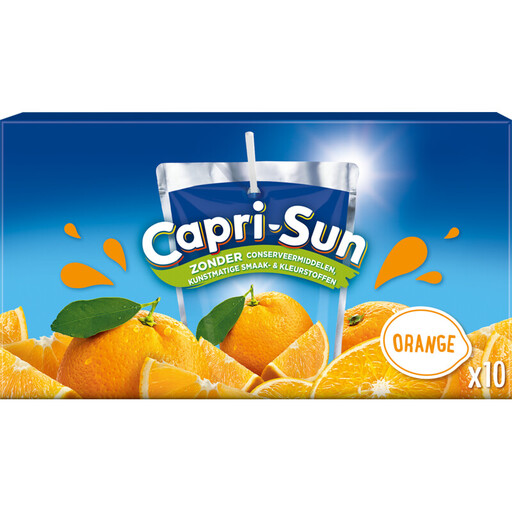
Why this fits the profile: The 200 ml portions are ideal for families who need several drinks at once for school, a day out or a party.
The packaging states the portion size, ingredients and nutritional information. This makes it clear that it’s a fruit drink with 10% juice, not pure fruit juice.
10 x 200 ml, suitable for on the go; according to the product information, no artificial colourings or preservatives.

Why this fits the profile: For those looking for an international drink with a recognisable base and extra texture, this variant offers coconut water with pieces of coconut.
The product description explicitly states 100% coconut water, 2% coconut pieces and no added sugar. Check these details on the actual label when it arrives.
12 cans of 330 ml; according to the product information, vegan and with no added sugar.

Why this fits the profile: A tray of twelve cans suits households, offices or gatherings where a chilled tropical drink is served regularly.
The product details state 30% passion fruit juice, no added sugar and 17 kcal per 100 ml. This allows you to compare the drink directly with sugary soft drinks.
12 x 330 ml; according to the product description, suitable for serving chilled and with no added sugar.
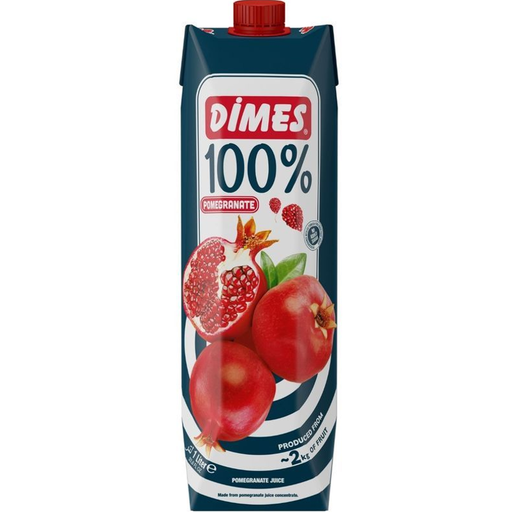
Why this fits the profile: This Turkish fruit drink in a 1-litre pack is ideal for anyone who wants a distinctive pomegranate flavour to serve with meals or at home.
The product information lists water and pomegranate juice concentrate as ingredients and gives the nutritional values per 100 ml. This makes the composition verifiable.
1-litre volume; origin Turkey; nutritional information stated per 100 grams/ml.
We’ve put together a full, up-to-date list of products that fully meet these strict selection criteria and comply with current European safety regulations.
Choose a portion pack that you don’t need to pour out. Capri-Sun, with its 200 ml pouches, is practical for school breaks, picnics and days out. Check beforehand whether a straw or resealable closure is included, and store opened packs in the fridge according to the label.
Look for the “no added sugar” claim, but also check the ingredients list. See whether sweeteners like stevia are used and how many sugars per 100 ml are stated. “No added sugar” does not mean the drink contains no sugar at all.
That depends on the price, volume and how you’ll use it. Calculate the price per litre and check whether you’ll use the full amount within the best-before date. A multi-pack is especially practical when you regularly serve drinks to several people. For occasional use, a single bottle or a 1-litre pack may result in less waste.
