
Vandaag of morgen in huis

Kwaliteit gegarandeerd

Welkomstaanbiedingen ontgrendelen: GRATIS bezorging | Tot 80% korting | Gratis 30 dagen JoyPlus-proefperiode
Download de app
If you want to buy fruit cider, you’ll soon notice that the term doesn’t always mean the same thing. The range includes apple cider, fruit beer, sparkling cider and Japanese soft drinks with the word “cider” on the label. Flavour descriptions such as “refreshing”, “fruity” and “smooth” don’t always give you enough information to make the right choice, either.
This buying guide helps you compare products using details you can check: alcohol content, fruit content, volume, ingredients, allergens and serving suggestions. That way, you can avoid choosing a drink that doesn’t suit the occasion or your diet.
A product with “cider” in its name could be an alcoholic drink or an alcohol-free fruit drink. For example, Apple Bandit Juicy Apple is available in both a 4.5% ABV and a 0.0% ABV version. Tomomasu drinks are Japanese sparkling fruit drinks with no alcohol, while Liefmans Peach on the Rocks is described as a fruit beer.
So always check the ABV or alcohol content, rather than relying on the product name alone.
The amount of fruit varies from product to product. According to the product information, Apple Bandit Juicy Apple contains 25% apple juice from concentrate. Apple Bandit Raspberry lists 0.4% raspberry juice and 0.4% strawberry juice. Tomomasu Yubari Melon Cider contains 1% melon juice.
Syrups, flavourings and sweeteners can also give a drink a distinct fruity taste. That isn’t necessarily a drawback, but it’s worth bearing in mind if you’re specifically looking for a drink with a higher fruit content.
A 750 ml bottle, such as Moksha Sparkling Elderflower Cider, is a good choice for an aperitif or to share. A 210–300 ml bottle is more convenient for one person. If you’re buying a multipack, check the total volume too: a pack of 4 x 250 ml contains 1 litre, while a set of 6 x 330 ml contains almost 2 litres.
The alcohol content is clearly stated for alcoholic options:
Don’t drink alcohol if you’re going to drive. Alcoholic products are for adults only. If you’re unsure because of pregnancy, medication or personal circumstances, it’s best to avoid alcohol and check the label.
Check the ingredients list before you order. Fruit beer often contains barley malt or wheat malt, so it isn’t suitable for people who need to avoid cereals containing gluten. This applies, for example, to Liefmans Peach on the Rocks, Amstel Rosé and Lindemans Kriek.
Apple Bandit is described as gluten-free, but the product information does list sulphites. Tomomasu Yubari Melon, Tomomasu Shinshu Apricot and Tomomasu Salt & Pineapple don’t list any of the 14 major EU allergens. Always check the packaging when your order arrives, as labels and recipes can change.
Sweet cider often contains sugar, syrup or sweeteners. For example:
Nutritional values are most useful when you’re comparing several products. Make sure you’re comparing the same measure, usually per 100 ml, rather than looking only at the total bottle.
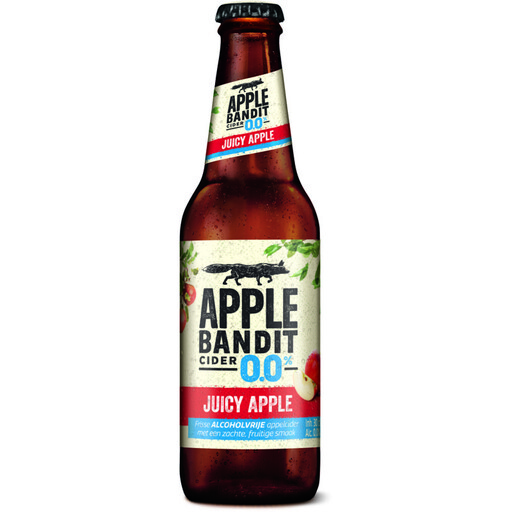
Why it suits this type of shopper: This alcohol-free apple cider comes in a handy single-serve bottle, making it a good choice for times when you don’t want to drink alcohol.
The 0.0% alcohol content is clearly stated. The product information also lists 26% apple juice from concentrate and sulphites as an allergen.
0.0% alcohol, 300 ml per bottle and described as gluten-free in the product description.
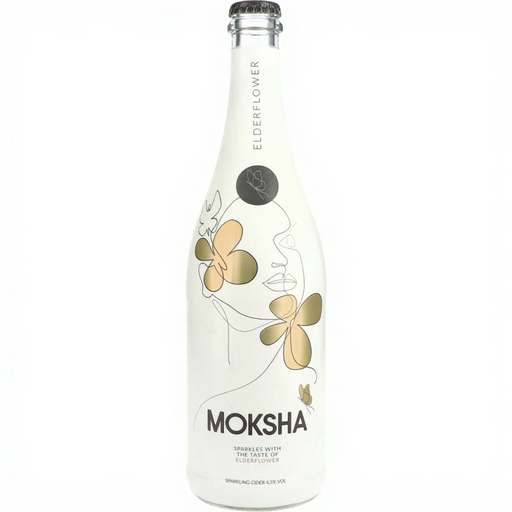
Why it suits this type of shopper: The larger bottle is ideal for an aperitif, a meal or a mixed drink when you want to serve several glasses.
The product page lists both the 750 ml volume and the 4.5% alcohol content, so you can check the bottle size and strength in advance.
Apple juice and elderflower extract are listed as ingredients; according to the product information, it contains none of the 14 major EU allergens.
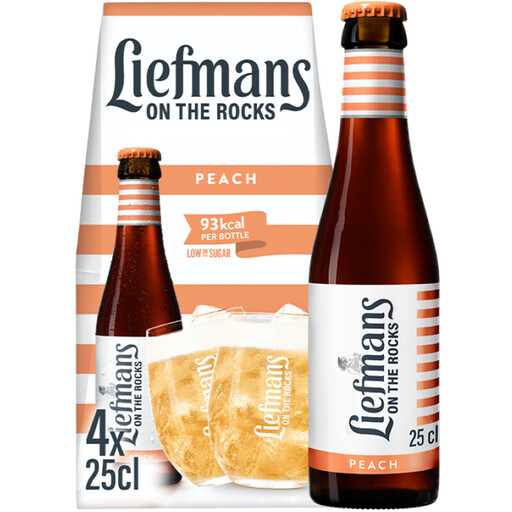
Why it suits this type of shopper: The four-bottle multipack is handy for get-togethers where you want to serve chilled, fruity drinks.
The pack clearly states that it contains 4 x 250 ml. The product is described as fruit beer, not an alcohol-free soft drink, and contains barley and wheat.
Four individual bottles, a stated energy value of 37 kcal per 100 ml and a serving suggestion with ice.
If you’re looking for something other than apple or pear cider, Japanese varieties are worth a look. Tomomasu Salt & Pineapple Cider combines pineapple juice with Okinawan sea salt, according to the product description. Tomomasu Shinshu Apricot Cider has 0.0% alcohol and contains 1% apricot juice. Other options include Yubari melon, Miyazaki mango and Hyuganatsu citrus.
Bear in mind that these products are usually alcohol-free sparkling drinks, rather than the same type of drink as alcoholic apple cider. The bottles are generally around 245 ml, making them suitable as an individual serving or as a special alcohol-free option with a meal.
We’ve put together a complete, up-to-date list of products that meet these strict selection criteria and comply with current European safety regulations.
Cider is generally made with apple or pear juice, while fruit beer has a beer base with fruit, fruit juice or flavourings. Online shops sometimes use the terms more broadly, so check the ingredients: barley malt and wheat malt usually indicate a beer base.
Choose a product with 0.0% alcohol and check the bottle size. Apple Bandit Juicy Apple 0.0% is available in 300 ml bottles. Japanese Tomomasu varieties are smaller sparkling fruit drinks of around 245 ml and can be served as individual portions.
Store unopened bottles according to the label, usually in a cool place away from direct sunlight. Seal opened bottles tightly and keep them chilled. According to the product information, non-alcoholic drinks such as Tymbark should be refrigerated after opening and consumed within 48 hours. Check the best-before information on the packaging each time you buy.
