
Same-day & Next-day Delivery

Quality Guaranteed

Unlock Your Welcome Offers: FREE Delivery | Up to 80% OFF | Free 30-day JoyPlus trial
Download the APP
Want to buy frozen dumplings, but can no longer tell the difference between the many types of gyoza and dim sum? The online selection includes Chinese dumplings, Japanese gyoza, prawn dumplings, vegetable dumplings and multipacks. However, the packaging does not always make it immediately clear which option is most practical for your household.
When comparing products, pay particular attention to the preparation method, allergens and quantity per pack. This helps prevent dumplings from falling apart after cooking, conflicting with your dietary requirements or taking up too much space in a small freezer.
Not every dumpling is suitable for the same cooking method. Some varieties are mainly intended for steaming, while others can also be boiled or fried. Ha kau prawn dumplings, for example, often have a thin, translucent dough that needs to be steamed carefully. Gyoza with a firmer wheat dough are better suited to pan-frying.
Before buying, check:
Using the wrong method can result in unevenly cooked filling or split dough.
A multipack may sound appealing, but first check how much space it takes up and how often you eat dumplings. A pack containing 3 × 500 grams is suitable for a family or regular eaters, but less practical if you live alone.
Also consider the packaging format. Individually frozen dumplings are easier to divide into portions. With a solid frozen block, you may sometimes have to cook more than you need.
The name ‘chicken gyoza’ or ‘shrimp dumplings’ indicates the main flavour, but ingredients such as soya, fish, sesame, egg, celery or gluten may also be present. Always check the current packaging and product page. Recipes and allergen information can change.
Also note the difference between a dumpling with a thin dough wrapper and one with a thicker wrapper. This affects the cooking time, texture and suitability for frying.
First choose a filling that suits your meal:
A vegetable variety is not automatically vegan. Check the ingredients list before ordering.
A pack of 300 to 450 grams is useful for adding to a meal or serving one or two people. Packs of 500 to 600 grams are better suited to a family or a meal with several side dishes. For regular use, bundles of 2 × 500 grams, 3 × 500 grams or 3 × 800 grams are practical, provided you have enough freezer space.
Treat the portion size as a guide. Dumplings can form a main meal with noodles and vegetables, but they can also be served as a starter or party snack.
Most products in this selection should be stored at -18 °C or below. They should generally remain frozen during preparation, and you should follow the instructions on the packaging.
Practical guidance from the product information:
If in doubt, use the preparation instructions and storage temperature on the packaging as your guide.
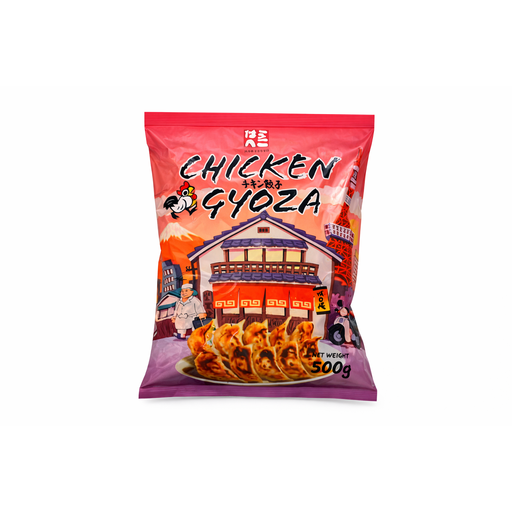
Why it suits this profile: The 500-gram pack is a manageable choice for anyone buying gyoza for the first time. The dumplings can be pan-fried, deep-fried or steamed.
The preparation instructions give specific times for pan-frying, deep-frying and steaming. Allergens such as wheat and soya are listed in the product information.
500 grams; chicken and vegetable filling; suitable for three cooking methods.
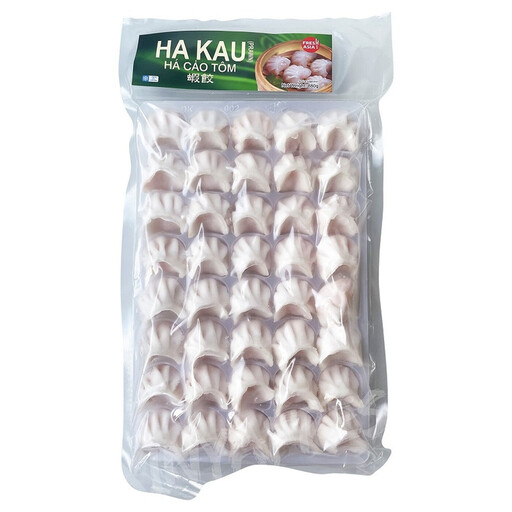
Why it suits this profile: The product description mentions a thin, translucent wrapper and steaming as the preparation method. This makes it a good choice for enjoying dim sum at home.
The product information makes it clear that steaming is the recommended preparation method. Allergens such as crustaceans, wheat and sesame are specified.
880 grams; prawn filling; translucent wrapper; suitable for steaming.
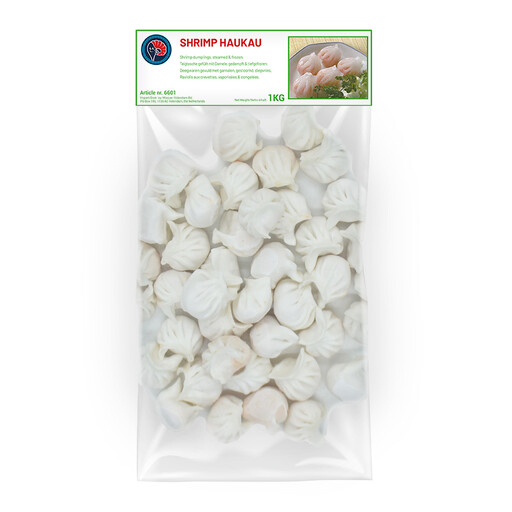
Why it suits this profile: The 1 kg pack is aimed at households that regularly serve prawn dumplings or host several guests.
The product information states that the dumplings are IQF-packed, so individual portions can be removed from the bag. Make sure your freezer has enough space.
1 kg; individually quick-frozen according to the product description; suitable for steamed ha kau.
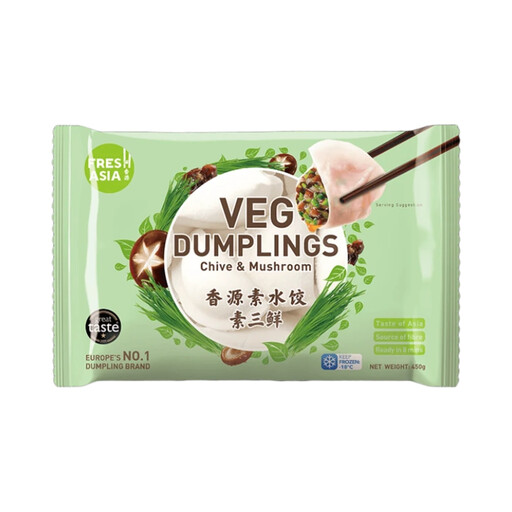
Why it suits this profile: The filling includes cabbage, spring onion, black fungus and mushroom. The dumplings are suitable for boiling, frying and steaming.
The ingredients and allergens are clearly listed. The product information mentions gluten, peanuts and sesame, so this is not suitable for people who need to avoid these ingredients.
450 grams; vegetable filling; three cooking methods; clear cooking times.
We have put together a complete, up-to-date list of products that fully meet these strict selection criteria and the applicable European safety regulations.
In many cases, yes. Boil, steam or fry them straight from frozen if the packaging says this is suitable. Defrosting can soften the dough and cause the dumpling to split during cooking.
Store them at the temperature stated on the packaging, usually -18 °C or below, and follow the use-by date. Once defrosted, they must be kept refrigerated and used within the specified period. Do not refreeze defrosted dumplings.
That depends on your portion size and filling. For example, serve dumplings with stir-fried vegetables, cucumber, noodles or a light dipping sauce. This turns a small portion into a meal and lets you try different flavours without preparing a large quantity of one variety.
