
Same-day & Next-day Delivery

Quality Guaranteed

Unlock Your Welcome Offers: FREE Delivery | Up to 80% OFF | Free 30-day JoyPlus trial
Download the APP
Are you looking to buy frozen dumplings, but can’t tell the difference between all the Chinese dumplings, gyoza and dim sum? The packaging often shows tempting photos and uses terms like “authentic” or “generously filled”. Yet it’s the ingredients list, the weight and the cooking instructions that really tell you what you’re getting.
When comparing, watch out for these three common pitfalls:
The terms Asian dumplings, Chinese dumplings, gyoza and dim sum are sometimes used interchangeably in online shops. In practice, there are clear differences:
Check the quantitative ingredient declaration when available. According to the product information, BML Shrimp Gyoza contains 34.90% prawn. Freshasia Signature Dumplings Pork and Chinese Sauerkraut contains 25% pork and 10% pickled Chinese cabbage.
Dumplings often contain wheat or gluten, soya and sesame. Varieties with meat or seafood may also contain egg, fish, crustaceans or celery. Always read the label, especially if you’re looking for vegetarian dumplings or need to consider allergies.
Examples from product specifications:
“Vegetarian” does not automatically mean free from soya, sesame or gluten. Also check whether the product contains only plant-based ingredients according to the ingredients list.
A pack of 400 to 600 grams usually works well for a meal for several people, depending on the rest of the menu. For a family or regular use, a multipack can be more practical. When buying frozen dumplings, also note:
The cooking method varies by product. According to the product information, Khy Chicken Gyoza can be pan-fried and then steamed with water, steamed for around five minutes, or briefly deep-fried. Mooijer Ha Kau Shrimp Dumpling should be steamed for eight to ten minutes according to the instructions. Always follow the current directions on the packaging.
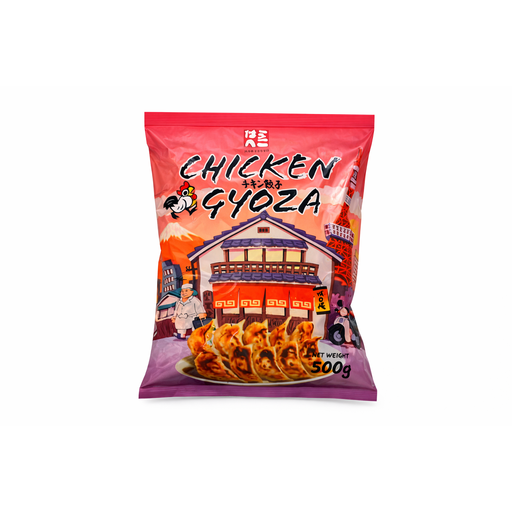
Why this fits the profile: A straightforward 500g pack and three cooking methods make these chicken gyoza a great introduction to frozen dumplings.
The product information states that the filling contains chicken and vegetables, plus clear instructions for pan-frying, steaming and deep-frying. So you don’t have to rely on general marketing terms.
500 g, chicken and vegetable filling, cook from frozen and steam for around five minutes.
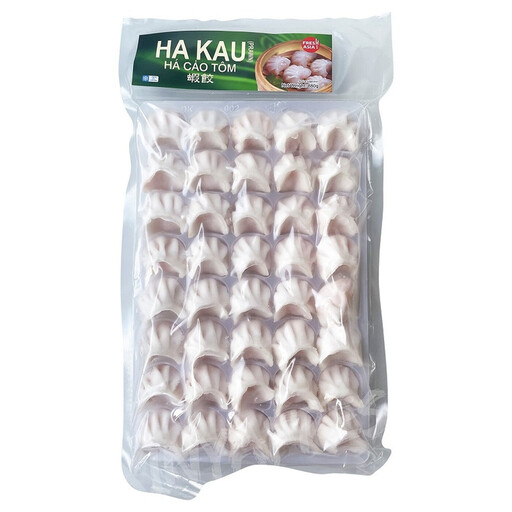
Why this fits the profile: Ideal for fans of steamed dim sum and prawn dumplings who want a larger stock for multiple meals.
The product information states 45% prawn in the filling and gives a net weight of 880 grams. This makes the contents easier to compare than relying on a picture on the packaging.
880 g, 45% prawn in the filling and a thin wrapper according to the product description. Contains crustaceans, gluten and sesame.
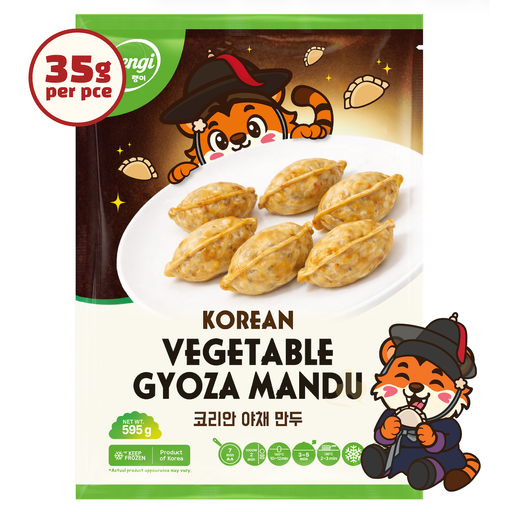
Why this fits the profile: Handy for households that regularly switch between steaming, pan-frying, boiling, deep-frying and air-frying, and want a meat-free option.
The cooking options are clearly described. The ingredients include onion, leek, cabbage, tofu and shiitake. Do check the allergens: this product contains gluten, soya and sesame.
595 g, vegetable filling, five cooking methods and nutritional information per 100 g.
We’ve put together a full, up-to-date list of products that fully meet these strict selection criteria and comply with current European safety regulations.
For pan-frying dumplings, you typically use a pan with a small amount of oil. Fry the bottom until golden brown, then add water and cover the pan. The combination of frying and steaming cooks the wrapper through without leaving the bottom soft.
When steaming dumplings, place the frozen dumplings in a steamer basket with space between them. Use perforated baking paper or a lightly greased steamer insert to prevent sticking. The steaming time is usually between five and ten minutes, depending on the type and size.
Boiling is practical for larger Chinese dumplings. Many packs suggest around five to eight minutes, often until the dumplings float to the surface. Then check that the filling is piping hot all the way through.
Yes, many products are designed to be cooked directly from the freezer. Defrosting can make the wrapper softer and increase the risk of tearing. Always check the instructions for the specific product.
Keep them unopened at the temperature stated on the packaging, often -18°C or lower, and pay attention to the best-before date. Once defrosted, they should be kept refrigerated, used within the stated period and not refrozen.
Cooking usually requires only a small amount of oil and water. Steaming or boiling uses no frying oil, while pan-frying and deep-frying need extra oil. The total cost mainly depends on the pack weight, the filling and the number of portions.
