
Vandaag of morgen in huis

Kwaliteit gegarandeerd

Welkomstaanbiedingen ontgrendelen: GRATIS bezorging | Tot 80% korting | Gratis 30 dagen JoyPlus-proefperiode
Download de app
Are you looking to buy frozen Chinese dumplings for a quick meal, dim sum or to stock your freezer? The range on offer is bigger than it first appears. Alongside Chinese dumplings, you’ll find gyoza, Ha Kau prawn dumplings, vegetarian dumplings and varieties with pork, beef, lamb or egg.
The packaging doesn’t always tell the full story, though. A large bag can seem good value when you’re actually paying mostly for dough. Terms like “authentic”, “handmade” or “restaurant quality” are also not always backed up with verifiable product information. So keep the following points in mind before you order.
Don’t just compare the price of the bag – also look at the net weight, the ingredients and the amount of filling. A 600g value pack is practical for a family, but a smaller pack can be more suitable if you want to try different flavours.
Also check whether the pack contains a single flavour or several separate bags. A combination pack can be handy, but the cooking instructions and allergens may differ between varieties.
With Ha Kau prawn dumplings and other prawn-filled dumplings, the proportion of shellfish varies from product to product. The Freshasia Whole Prawn Egg Dumpling 500g, for example, lists 22% prawn and 20% egg. The Freshasia Shrimp Dumpling 880g contains 45% prawn in the filling according to the product information, alongside other ingredients, including pork fat.
Some varieties also contain fish, soya, sesame, wheat or egg. Always check the full ingredients list and the allergens shown in bold on the current packaging.
Not every dumpling is meant to be cooked the same way. Thin, translucent Ha Kau skins are, according to the product information, best suited to steaming. Other Chinese dumplings can be boiled, steamed or pan-fried.
Follow the cooking instructions on the pack. “Add frozen” usually means you shouldn’t defrost the dumplings first. Defrosting can make the dough soggy and cause the dumpling to split open during cooking.
Look at the quantitative ingredient declaration. This often states the percentage of pork, beef, prawn, cabbage, chives or mushrooms present. That makes products easier to compare than general descriptions on the front.
Examples:
With a vegetarian choice, don’t just rely on the word “vegetarian” – also check for ingredients like oyster sauce, chicken stock or dried prawns.
Many authentic Asian dumplings contain wheat, soya and sesame. With Ha Kau, shellfish and sometimes fish are often added. Egg appears in the dough or filling, for example in some prawn and chive varieties.
Check before you buy:
The allergen information on the product page is a helpful guide. Also check the packaging on delivery, as labels and recipes can change.
Frozen dumplings should generally be stored at -18 °C or lower, unless the packaging states otherwise. After delivery, keep the bag out of the freezer for as short a time as possible. According to the product information, defrosted products must not be refrozen.
Also pay attention to:
Boiling dumplings is simple: bring plenty of water to the boil, carefully add the frozen dumplings and typically cook them for 5 to 8 minutes. For some products, floating dumplings are a sign they are cooked, but always check the packaging.
Steaming dumplings usually gives a soft exterior. For various Ha Kau products, the product information suggests steaming from frozen for around 7 to 10 minutes. Use perforated baking paper or a lightly greased steamer basket to prevent sticking.
For a crispy bottom, you can stir-fry or pan-fry dumplings. Fry them first in a little oil, then add water and cover the pan so the inside cooks through. Cook them thoroughly and do not eat them raw.
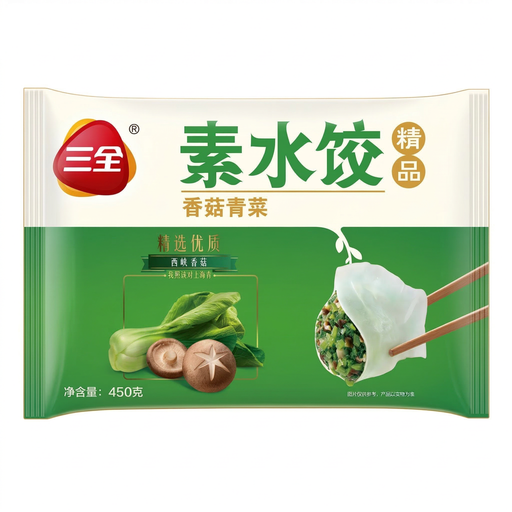
Why this fits the profile: A straightforward vegetarian choice for anyone trying frozen dumplings for the first time who wants to boil, steam or pan-fry them.
The product information specifically states 22.7% Chinese cabbage and 9.09% mushrooms. This gives you a clearer picture of what the filling contains.
450g; vegetarian filling with mushrooms and green vegetables; three cooking methods.
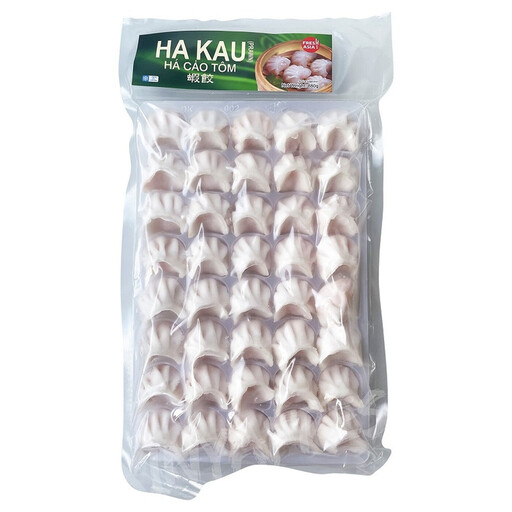
Why this fits the profile: Ideal for dim sum lovers who specifically want a translucent wrapper and a clear prawn filling.
The product information specifies 45% prawn in the filling and recommends steaming, rather than a general claim without percentages.
880g; prawn as the main filling ingredient; suitable for steaming.
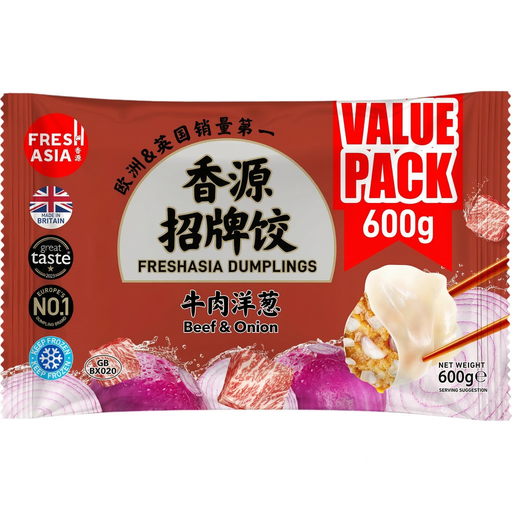
Why this fits the profile: A generous pack for families or regular eaters who want to switch between boiling, steaming and pan-frying.
The label states 23% beef and 11% onion, plus specific timings for boiling, steaming and pan-frying from frozen.
600g; 23% beef; cooking options from 5 to 10 minutes according to the product information.
We’ve put together a full, up-to-date list of products that fully meet these strict selection criteria and comply with current European safety regulations.
Yes, many products are suitable for boiling, steaming or pan-frying straight from the freezer, according to the packaging. Only defrost them when the instructions say to. Check that the dough is fully cooked through and never serve dumplings raw.
Store them at the temperature stated on the packaging, often -18 °C or lower, and stick to the given best-before date. Once defrosted, they must not be refrozen. Seal an opened bag well to prevent drying out and freezer burn.
The preparation costs are usually limited to water, steam or a small amount of oil. Steaming and boiling use little fat; pan-frying requires extra oil and energy. The total price mainly depends on the weight, the filling, the packaging and the delivery costs. So compare the price per 100g rather than just the price per bag.
