
Vandaag of morgen in huis

Kwaliteit gegarandeerd

Welkomstaanbiedingen ontgrendelen: GRATIS bezorging | Tot 80% korting | Gratis 30 dagen JoyPlus-proefperiode
Download de app
Buying foreign beer online is convenient when you are looking for an Asian, Polish or Belgian beer that is not always available in the supermarket. You can compare pack sizes and alcohol percentages, and arrange beer for a barbecue, dinner or party in a single order. However, there are several pitfalls that are easily overlooked when shopping online.
With every order, check the volume per bottle or can, the alcohol percentage, the country of origin and the best-before information. A large beer crate may seem like good value, but it will not suit every occasion. A product name may also suggest a premium lager, while the practical information is mainly found in the specifications and ingredients list.
A 24-pack or crate of beer is practical for a party or restaurant, but it is not automatically better value. Compare the price per litre and check whether the pack contains bottles or cans. For example, a pack of 24 x 330 ml contains less beer than 24 x 500 ml.
Also check for a deposit or any additional surcharge. The Chang Beer product listing, for example, mentions a €0,15 surcharge in the stated recycling information. Check the current terms on the product page before completing your purchase.
Words such as “premium”, “authentic” and “iconic” say little on their own about your taste preferences. A pilsner is generally light and refreshing, but bitterness, maltiness and finish can vary from one brand to another.
Use concrete information instead: alcohol percentage, ingredients used, country of origin and stated flavour profile. For example, according to the HARNAS product description, the emphasis is on malt and grains, with mild bitterness in the finish. That is more useful than a general quality claim alone.
Many foreign beers contain barley malt and therefore gluten. Some products also list sulphites, such as SAIGON Export Premium and Saigon Special. Always read the label and the current product information. The packaging takes precedence if the online details differ from the label.
As a rule, store beer in a cool, dry place away from direct sunlight. Temperature fluctuations can affect its quality. Also check the seal or cap when your order arrives, and consult the best-before date on the packaging.
The alcohol percentage helps determine which beer is right for a particular occasion. The range includes several options around 5%, such as Kirin Ichiban at 5,0%, Singha at 5,0%, Chang at approximately 5% and Jupiler at 5,2%. Lech Pils lists 4,8% and SAIGON Export Premium 4,8%.
If you want to avoid alcohol, look for the 0.0% designation. Heineken 0.0 is available in a pack of 12 x 250 ml and also as 24 x 300 ml. Always check “alcohol-free” or “0.0” on the product label, and look at the ingredients and nutritional information too.
A 250 or 330 ml bottle or can is suitable when you want to match portions to the number of guests. A 500 ml pack may be more practical for a longer gathering, but it takes up more space and is less suitable if everyone wants to try different beers.
For a party, a 24-pack, beer crate or box is often efficient. For a first introduction to world beers, a smaller pack may be the wiser choice. Compare:
The country of origin can help narrow down your choice, but it does not tell you everything about the flavour. A Thai beer such as Singha or Chang is described in the product information as a light lager or pilsner with a refreshing character. Kirin Ichiban is a Japanese beer with 5,0% alcohol and is listed as a lager, with water, barley malt, yeast and hops as its ingredients.
For Vietnamese beer, you can choose between SAIGON Export Premium at 4,8% and Saigon Special at 4,9%. According to the product listing, Saigon Special is made with 100% barley malt, hops, yeast and water. If you have allergies, always check the full ingredients list on the packaging.
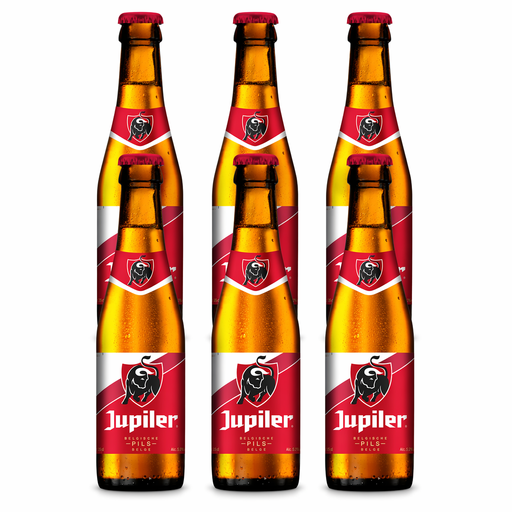
Why it suits this profile: A six-pack offers an easy introduction to Belgian beer without committing to a large beer crate. The product listing states 250 ml per can and 5,2% alcohol.
The smaller format reduces the risk of buying too much before you know whether you like the taste. Check the current price per litre.
6 x 250 ml, 5,2% alcohol and clear pilsner positioning, with water, barley malt, maize and hops.
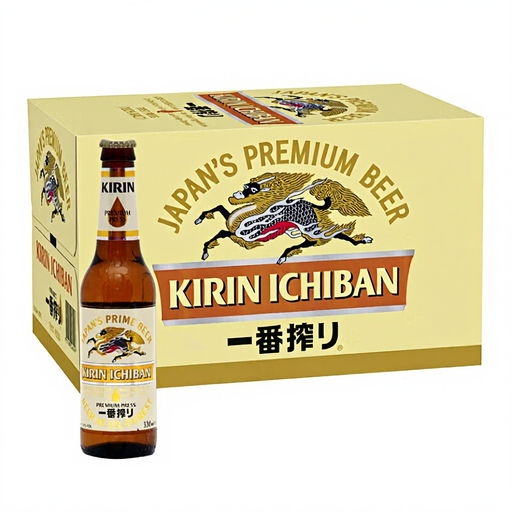
Why it suits this profile: This box is aimed at Japanese beer enthusiasts who want to serve several guests or regularly enjoy a lager with meals.
The product information gives the format, ingredients and 5,0% alcohol content, so you do not have to rely solely on the term premium lager.
24 cans of 330 ml, 5,0% alcohol and a product description that mentions the Ichiban Shibori brewing method.
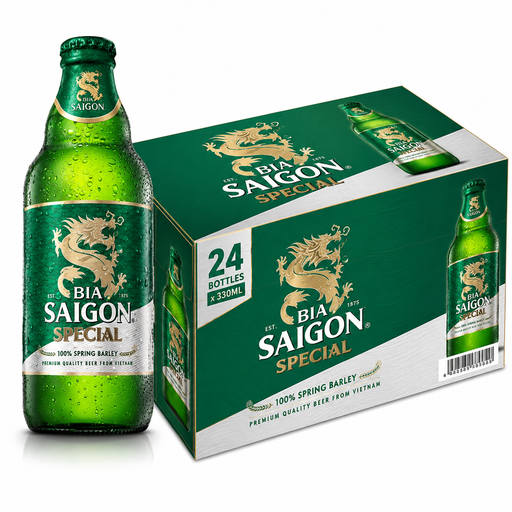
Why it suits this profile: A box of 24 bottles is suitable for hospitality businesses, large gatherings and meals centred around Vietnamese beer or other Asian dishes.
The product information states the pack format, origin, volume and alcohol content of 4,9%. However, check the current label wording and sulphite declaration.
24 bottles of 330 ml, Vietnamese origin and a stated composition of barley malt, hops, yeast and water.
For a gathering where not everyone wants to drink alcohol, Heineken 0.0 packs are a practical addition. Note the difference between 12 x 250 ml and 24 x 300 ml. The product information states 0,0% alcohol for both variants, but check the current packaging and allergen information.
If you would like to try Polish beer, options include HARNAS 24 x 50 cl, Lech Pils 50 cl, Tyskie 24 x 50 cl, Żubr 4 x 500 ml and Żywiec. The specifications range from 4,8% for Lech Pils to 5,6% for Tyskie. For Żywiec Białe, the product information lists ingredients including wheat malt, coriander and natural flavourings. This makes it different from a classic pilsner.
We have put together a complete, up-to-date list of products that fully meet these strict selection criteria and the applicable European safety regulations.
Yes, but alcoholic drinks may only be sold to people aged 18 and over. You may be asked to provide proof of age upon delivery. Drink responsibly and observe the legal requirements.
That depends on the total price, volume, delivery costs and any deposit. Calculate the price per litre and per bottle or can. A 24-pack is particularly practical when you will genuinely use the beer for several people or occasions.
Store beer in a cool, dry place away from direct sunlight. Follow the specific storage advice on the label. Ideally, do not repeatedly move bottles and cans from warm to cold and back again. Before drinking, check the seal and the best-before information on the packaging.
