
Vandaag of morgen in huis

Kwaliteit gegarandeerd

Welkomstaanbiedingen ontgrendelen: GRATIS bezorging | Tot 80% korting | Gratis 30 dagen JoyPlus-proefperiode
Download de app
Buying food supplements seems straightforward until you have to choose between dozens of types of protein powder, capsules and sports drinks. A high dosage, eye-catching packaging or promise of extra energy does not automatically mean a product is right for your goal. The right choice starts with the ingredients, recommended dosage and practical circumstances in which you will use it.
This applies to athletes who want to supplement their protein intake, as well as adults looking at vitamin D3, magnesium bisglycinate or omega 3 capsules. Parents looking for baby food must also check particularly carefully that the age indication and preparation instructions match their child’s needs.
A product containing a large number of milligrams or grams per serving is not automatically suitable. First, look at the active nutrient, serving size and recommended daily intake. With omega 3, for example, the EPA and DHA content is more relevant than the total weight of fish oil alone.
Terms such as “premium”, “fast absorption” or “maximum support” are of limited use without product specifications. According to the product information for Lucovitaal Fish Oil Super Omega 3, the variant with 120 capsules contains 1.204 mg of omega 3 per two capsules, including 600 mg of EPA and 400 mg of DHA. This is verifiable information; general health benefits should always be considered within the permitted EU claims and the instructions on the packaging.
Protein powder may contain milk and soya, while some electrolyte powders may also contain gluten-containing cereals, nuts, peanuts, eggs and milk, according to the product information. Always check the allergen list. Also consider the format: capsules are easy to take with you, powder needs to be measured and mixed, while a ready-to-drink product is convenient but less flexible when it comes to dosage.
Compare products on a like-for-like basis. Look at:
According to the product information, one serving of Optimum Nutrition Gold Standard Whey provides approximately 24 g of protein from around 30 to 32 g of powder. The ingredients include whey isolate, whey concentrate and hydrolysed whey peptides. This makes it suitable for adults who want to supplement their daily protein intake, not as a replacement for a varied diet.
Check whether the recommended amount fits your routine. The whey products mentioned recommend one scoop mixed with approximately 180–240 ml of cold water or milk. According to the label, Optimum Nutrition Protein Water provides 16 g of whey isolate per 350 ml bottle and does not need to be mixed.
Dosage is also important for capsules. Lucovitaal Vitamin D3 25 mcg states one capsule per day, preferably with a meal. Lucovitaal Magnesium 375 mg Bisglycinate states two tablets per day. Do not simply combine several supplements containing the same vitamins or minerals, as this can cause your total intake to rise significantly.
Before buying, check whether the product is suitable for your situation. Many supplements are intended for adults and not for children. Melatonin, magnesium products and fish oil also have specific warnings on the label. If you are pregnant, breastfeeding, taking medication or have a medical condition, it is advisable to consult a doctor or pharmacist beforehand.
Also pay attention to storage. Powders generally need to be stored in a dry place and kept tightly sealed. According to the product information, opened ready-to-drink protein water should be refrigerated and used within 24 hours.
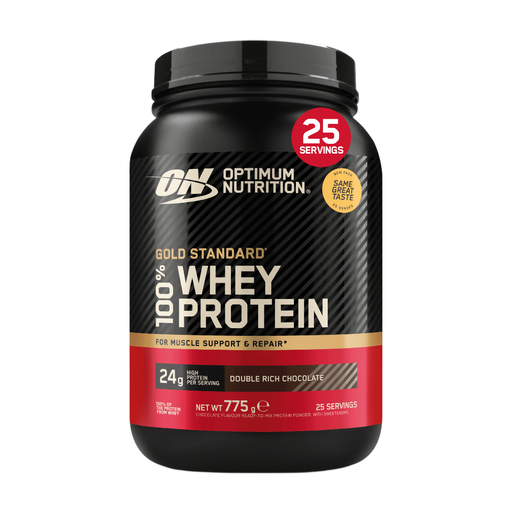
Why it suits this profile: A clear serving of approximately 24 g of protein makes it easy to compare options when buying protein powder for the first time.
The product information lists protein, calories, carbohydrates, sugar and fat per scoop, so you do not have to rely solely on the front of the packaging.
24 g of protein per serving; whey isolate, concentrate and hydrolysed whey peptides; mixes with water or milk.
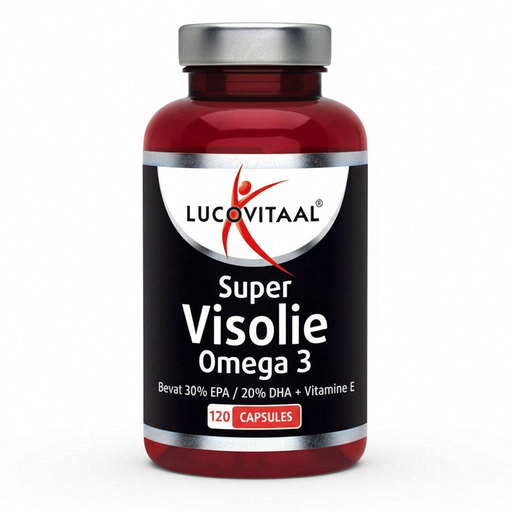
Why it suits this profile: Suitable for adults who want to check the EPA and DHA content separately.
The product specification lists 2.000 mg of fish oil, 1.204 mg of omega 3, 600 mg of EPA and 400 mg of DHA per two capsules.
Clear EPA and DHA information; 120 capsules; added vitamin E; no added sugar or salt according to the product information.
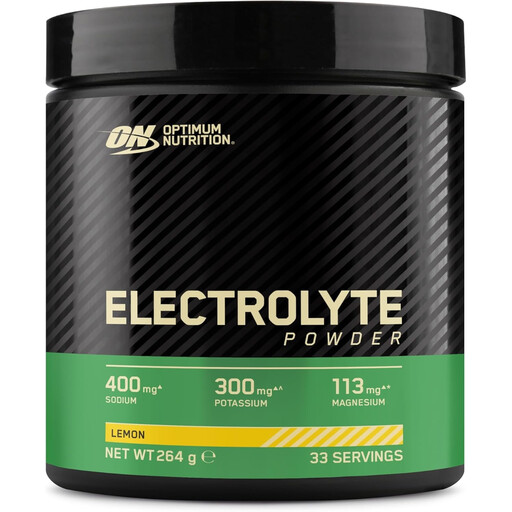
Why it suits this profile: Handy for active users who want to mix a set amount of sodium, potassium and magnesium during or after exercise.
The dosage is specific: 8 g of powder in 450 ml of cold water. This makes it easier to estimate the composition of each drink.
400 mg of sodium, 300 mg of potassium and 113 mg of magnesium per serving; 33 servings; sugar-free according to the product information.
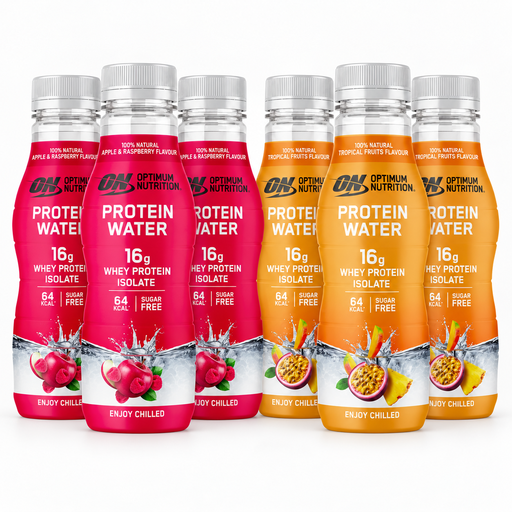
Why it suits this profile: A practical choice if you do not want to carry a shaker and are looking for a light, fruity protein drink.
The bottle is ready to drink and, according to the product information, contains 16 g of protein, 64 kcal, 0 g of sugar and 0 g of fat per 350 ml.
Ready to drink; six bottles in two flavours; whey protein isolate; refrigerate after opening and use within 24 hours.
We have put together a complete, up-to-date list of products that fully meet these strict selection criteria and the applicable European safety regulations.
Whey protein is usually a powder that you mix with water or milk. Protein water is ready to drink and generally contains whey isolate in a clear drink. Focus on comparing the protein content per serving, calories and any allergens.
The shelf life is stated on the packaging. Store capsules and powders in a cool, dry place and keep them tightly sealed. For opened drinks, check the instructions on the label; protein water may need to be refrigerated after opening and used within 24 hours.
Not always. Supplements are intended to complement your diet, not replace varied nutrition. First establish your goal, check your total intake from food and other supplements, and follow the recommended dosage. If you are unsure about vitamin D3, magnesium, melatonin or combinations with medication, it is sensible to consult a healthcare professional.
