
Vandaag of morgen in huis

Kwaliteit gegarandeerd

Welkomstaanbiedingen ontgrendelen: GRATIS bezorging | Tot 80% korting | Gratis 30 dagen JoyPlus-proefperiode
Download de app
A good food processor can be a game-changer in the kitchen. It promises faster slicing, chopping, mixing, and kneading, leaving you more time to enjoy your meals. But the market is flooded with models making all sorts of promises. Unfortunately, the wrong choice often leads to an unused appliance gathering dust in a kitchen cabinet.
As a Product Recommendation Officer at Joybuy, I see daily which appliances truly add value and which are just clever marketing. Before you buy a food processor, it's crucial to recognise three common pitfalls that can cost you money and precious counter space.
To avoid buyer's remorse, it's better to focus on a few objective specifications that determine if a model is right for your needs.
The power, expressed in watts, indicates the motor's strength. This is especially important for heavy-duty tasks.
The size and material of the mixing bowl determine how much you can prepare at once and how durable the appliance is.
The terms are often used interchangeably, but there are differences. A classic food processor is primarily designed for chopping, slicing, and grating. A kitchen machine (or stand mixer) is often larger and more focused on mixing and kneading with a planetary mixer. A blender is specifically for liquefying ingredients.
A multifunctional kitchen machine or a kitchen machine with a blender combines these functions. Consider which tasks you perform most often. Do you just need an appliance to quickly chop onions, or do you also want to make bread dough and blend smoothies with it?
Based on objective specifications and functionality, we have selected a few models that suit different user profiles.
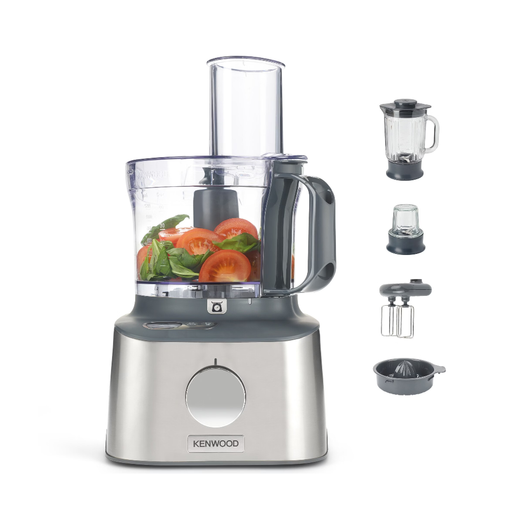
Why This Fits Their Persona: Ideal for those who want a single appliance for chopping, blending, and even weighing. This model saves counter space and makes meal prep organised and fast.
The built-in scale makes a separate scale redundant, and the combination of a food processor and blender prevents the 'accessory overload' of multiple separate appliances.
Built-in scale for weighing directly in the bowl. Comes with a durable glass blender jug and a multi-mill for herbs or coffee beans.
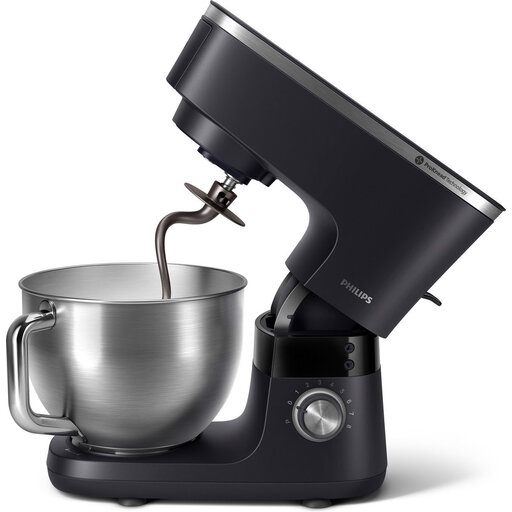
Why This Fits Their Persona: Designed for serious baking tasks. This model is a true kitchen machine that can effortlessly handle large quantities of heavy bread or pizza dough.
The powerful 1000W motor and Philips' ProKnead technology ensure the appliance won't buckle under heavy loads, thus avoiding the 'power pitfall'.
Very spacious 5.5-litre stainless steel mixing bowl and a smart LED timer. Includes blender and meat grinder accessories for extra versatility.
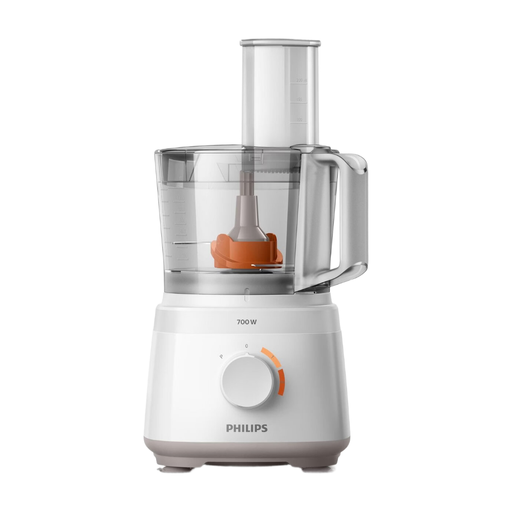
Why This Fits Their Persona: A compact, affordable, and versatile entry into the world of food processors. Perfect for those who want the basic functions without a huge budget or a lot of storage space.
The smart, space-saving design where all accessories fit inside the bowl prevents it from becoming a bulky, unused appliance. The dishwasher-safe parts tackle the 'cleaning nightmare'.
Compact design with in-bowl storage. The colour-coding for speeds helps you choose the right setting for each task.
We have compiled a complete, up-to-date list of products that fully meet these strict selection criteria and UK/EU safety regulations.
Although the terms are often used interchangeably, there is a functional difference. A food processor is typically equipped with an S-shaped blade in a bowl and various discs for chopping, puréeing, grating, and slicing. A kitchen machine (or stand mixer) usually has a large bowl with a dough hook, whisk, or beater that mixes with a planetary motion, which is ideal for dough and batter. Many modern appliances combine functions of both.
This depends entirely on your usage. For slicing vegetables and making pesto or hummus, 600-800 watts is more than enough. If you also want to knead heavy bread or pizza dough, look for models with a motor of at least 1000 watts and robust construction.
On most modern food processors from well-known brands, the removable parts, such as the bowl, lid, and blades, are dishwasher-safe. This is a crucial point to avoid the 'cleaning nightmare'. Always check this in the product specifications, as it makes daily use significantly more pleasant. The motor base, of course, should never be submerged in water.
