
Vandaag of morgen in huis

Kwaliteit gegarandeerd

Welkomstaanbiedingen ontgrendelen: GRATIS bezorging | Tot 80% korting | Gratis 30 dagen JoyPlus-proefperiode
Download de app
Buying espresso coffee seems simple enough – until you have to choose between capsules, beans, ground coffee, instant espresso, espresso sticks and coffee concentrate. Marketing terms like “strong”, “intense” and “Italian espresso” don’t always tell you what you’re actually getting. The right choice depends mainly on your coffee machine, brewing method, taste preference and daily use.
Not every capsule works in every coffee machine. Products described as Nespresso-compatible capsules are intended for machines with that capsule system, but compatibility can vary by model and manufacturer. Always check your machine’s manual and the description on the packaging.
A capsule for Nespresso is also not suitable for a Dolce Gusto, Senseo or traditional piston machine. A low price is no advantage if the packaging ends up sitting unused in your kitchen cupboard.
An intensity score, dark roast or description like “strong espresso” mainly tells you about flavour and mouthfeel. It is not a reliable measure of caffeine content. Robusta coffee is often associated with a bolder profile, while Arabica coffee typically has softer, fruitier or more aromatic notes. The final taste is also determined by roast, grind, dosage and brewing method.
After opening, coffee gradually loses its aroma due to air, moisture, heat and light. Ground espresso coffee in particular has a relatively large surface area exposed to oxygen. So don’t buy a large pack just because of a potential saving if you won’t use it within a reasonable time.
Store coffee in its original, well-sealed packaging in a cool, dry place. For capsules, sticks and liquid concentrate, also check the best-before date and the condition of the packaging.
The label often states whether it is 100% Arabica or a blend of Arabica and Robusta. In product descriptions, Arabica is frequently linked to fruity, floral or smooth notes. Robusta can give a spicier and stronger flavour profile and often contributes to a thick crema.
Also look out for added ingredients. Pure beans, ground coffee and capsules typically contain only coffee. A flavoured concentrate, on the other hand, may contain sugar, sweeteners, milk components or flavourings. With a milk drink such as an iced coffee, you should also check whether the product contains milk.
A capsule is easy to dose, but you are tied to the capsule system. Beans require a grinder or bean-to-cup machine, but offer more control. Sticks and instant coffee need little preparation; the taste and texture do differ from espresso that has been brewed under pressure.
Don’t just compare the price per pack. Work out the price per cup, serving or brew. With concentrate, the number of stated servings may be more important than the total volume. Also check whether one stick or capsule is intended for a small espresso or a larger milk-based drink.
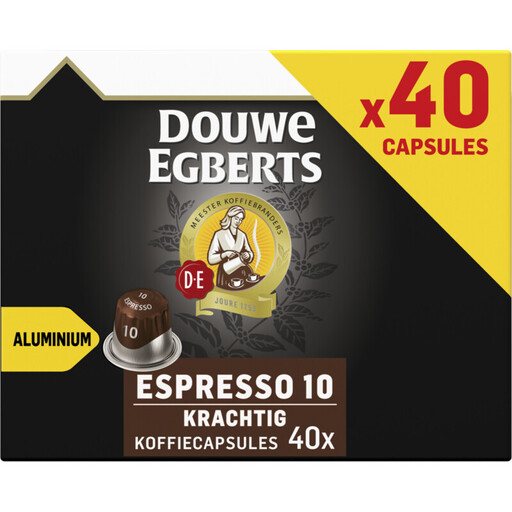
Why this fits the profile: A box of 40 capsules is practical for daily use and requires no grinder or adjustment. According to the product information, the capsules are intended for Nespresso coffee machines.
The packaging states the capsule system and contents. Still check this against your own machine before ordering.
40 servings; blend of Arabica and Robusta; suitable for espresso and milk-based coffee drinks.

Why this fits the profile: According to the product description, these coffee beans are a 100% Arabica blend with intensity 6/10 and are recommended for espresso and lungo.
The composition and intensity are clearly stated, so you don’t have to rely on a vague flavour claim alone.
500 g coffee beans; 100% Arabica; suitable for a coffee grinder or bean-to-cup machine.
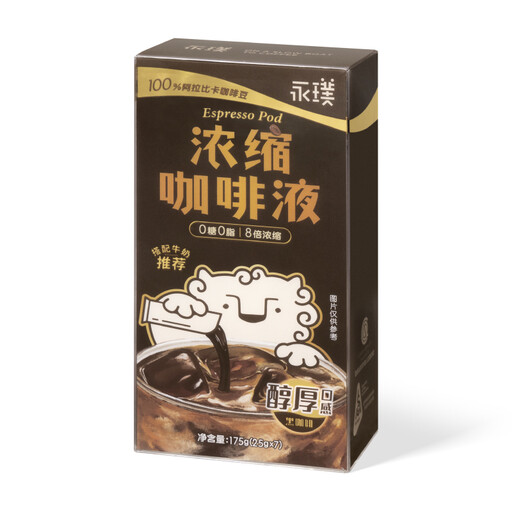
Why this fits the profile: The individual servings are designed to be mixed with water, milk or ice. This makes the concentrate suitable for hot coffee and iced coffee espresso.
You don’t have to store a large bottle for a long time after opening: the product information states seven individual servings of 25 g.
100% Arabica according to the product information; no added sugar or fat; can be used with ice.
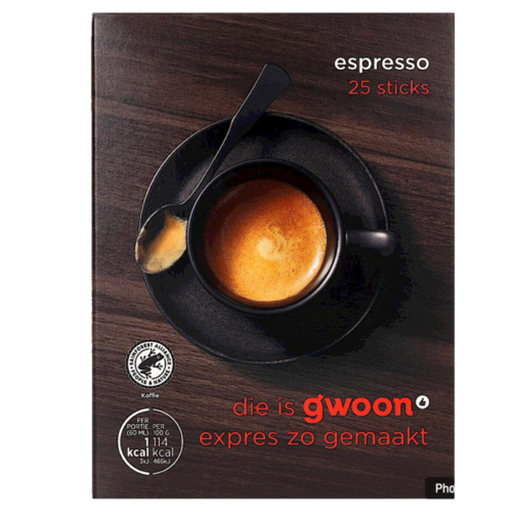
Why this fits the profile: According to the product information, one stick contains 1.5 g of instant coffee. You only need water and a cup, which is handy for a desk, meeting room or on the go.
The servings are pre-measured. This means you don’t have to store an opened jar or bag of ground coffee at the office.
25 individual sticks; 100% instant coffee according to the label; no coffee machine needed.
We’ve put together a full, up-to-date list of products that fully meet these strict selection criteria and comply with current European safety regulations.
Espresso coffee beans are ground just before brewing. This gives you more control over the grind and dosage, but requires a grinder or bean-to-cup machine. Ground espresso coffee is ready to use straight away in a suitable filter holder. Store opened ground coffee in an airtight container, as the aroma can be lost more quickly.
No. Check the capsule system and the specific machine model. Nespresso-compatible capsules are intended for machines with a compatible Nespresso system, but are not automatically suitable for other brands or systems. If in doubt, follow the instructions from the machine manufacturer.
Use one serving of coffee concentrate according to the packaging and mix it with cold water or milk. Add ice for a cold coffee drink. With flavoured varieties, such as caramel or vanilla, you need to take into account sugar, sweeteners and other ingredients on the label. Keep liquid concentrate refrigerated after opening if the packaging instructs you to do so.
