
Vandaag of morgen in huis

Kwaliteit gegarandeerd

Welkomstaanbiedingen ontgrendelen: GRATIS bezorging | Tot 80% korting | Gratis 30 dagen JoyPlus-proefperiode
Download de app
If you want to buy energy drinks, you will quickly come across dozens of flavours, brands and pack sizes. However, an eye-catching can design tells you little about what you are actually buying. The main differences lie in the caffeine content, sugar, serving size and the purpose for which you intend to use the drink.
Also pay attention to the difference between an energy drink, a sports drink and a hydration and electrolyte drink. A caffeinated drink is not automatically suitable for use during exercise, and a sugar-free energy drink is not the same as water with electrolytes.
A sugar-free energy drink often contains sweeteners instead of sugar. This reduces the sugar and calorie content, but does not change the caffeine content. Always check both values. A product with 0 grams of sugar may still contain a high level of caffeine per can.
When searching for products such as buy Monster Energy or buy Red Bull, people often select based on brand recognition first. However, the contents can vary considerably between variants. Consider the difference between 250 ml and 500 ml, a regular recipe and a zero-sugar variant, as well as different caffeine levels.
A 24-can energy drink pack or another energy drink multipack can be practical for home, the office or a shared stockpile. However, a large pack makes less sense if you want to try a flavour first. Compare the price per can and check the best-before date before buying in bulk.
Always compare caffeine in two ways. The value per 100 ml makes it easier to compare brands; the amount per can shows how much you will actually drink. Product specifications may include the following:
Under European labelling rules, drinks with a high caffeine content must carry a warning. Follow the instructions on the label and take caffeine from coffee, tea, cola and supplements into account. These products are generally not intended for children; pregnant women, breastfeeding women and people who are sensitive to caffeine should follow the warnings on the packaging.
According to the supplied nutritional information, a regular Slammers variant contains 11.4 grams of sugar per 100 ml. In a 250 ml can, this amounts to approximately 28.5 grams of sugar. Red Bull regular states 11 grams of sugar per 100 ml.
If you are looking for a sugar-free energy drink, consider Red Bull Sugar-Free, Monster Ultra White, Monster Ultra Fiesta, Monster Ultra Gold or Slammers Sugar-Free. These variants state 0 grams of sugar, but do contain sweeteners. If you have an allergy or sensitivity, check the full ingredients list. For example, Slammers Sugar-Free lists aspartame as a source of phenylalanine.
A 250 ml can is convenient for a short break, commuting or trying a flavour for the first time. 500 ml cans offer more drink, but they often also contain more total caffeine per can.
For exercise, the purpose and formulation are important. A classic energy drink provides caffeine and sometimes sugar, but is not automatically a hydration product. According to the product specifications, Applied Nutrition NA11 Hydration contains 500 mg of sodium per 330 ml can, plus magnesium and potassium, with no sugar. Body & Fit Fit Energy combines caffeine, magnesium, taurine and amino acids, among other ingredients. This makes these products a different choice from a standard energy drink.
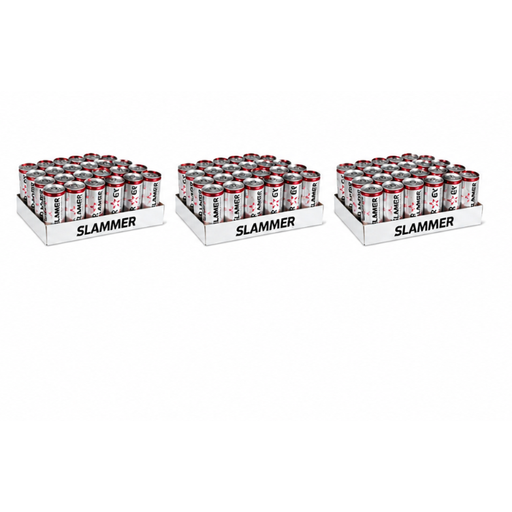
Why it suits this profile: A smaller pack is a good choice if you want to try a flavour first or only drink a can occasionally.
You do not buy a large supply before knowing whether you like the flavour. The regular variant does contain sugar and caffeine, so check the label.
3-pack of 250 ml cans; according to the product specifications, 11.4 g of sugar per 100 ml and 0.032% caffeine.

Why it suits this profile: This multipack is suitable for adults who regularly want to order a sugar-free citrus-flavoured option.
The product information states 0 grams of sugar per 100 ml. However, check the caffeine per can and the usage advice on the packaging.
12 cans of 500 ml; 0 grams of sugar and 12 kcal per 100 ml according to the product specifications.
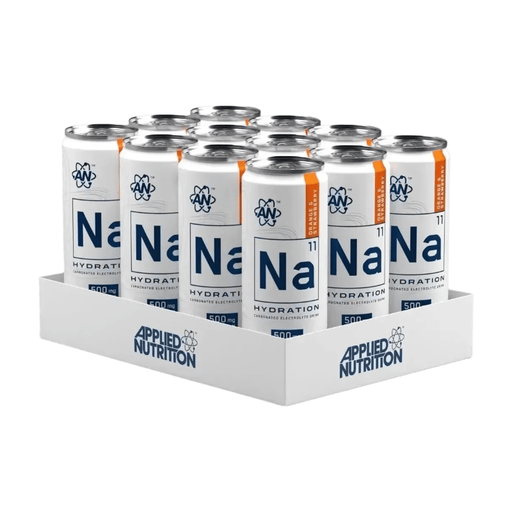
Why it suits this profile: A practical choice for anyone who prioritises fluids and electrolytes during physical activity rather than a traditional energy drink.
You are choosing a product clearly described as a hydration and electrolyte drink, without confusing it with a caffeinated energy drink.
500 mg of sodium per 330 ml can; 0 grams of sugar and 7 kcal per can according to the product information.
We have put together a complete, up-to-date list of products that fully meet these strict selection criteria and the applicable European safety regulations.
“Sugar-free” only means that no sugar is present according to the nutritional information. The drink may still contain caffeine, sweeteners and other ingredients. Therefore, compare the complete label rather than just the front of the can.
The relevant date is shown on the packaging. Store unopened cans in a cool, dry place away from direct sunlight. Once opened, a can should be kept refrigerated according to the product information and consumed within the stated period.
Calculate the price per can by dividing the total price by the number of cans. A 24-pack is not automatically better value if you need to keep a large stock or do not enjoy the flavour. Also compare the volume per can, such as 250 ml versus 500 ml, so that you do not mistake different sizes for one another.
