
Same-day & Next-day Delivery

Quality Guaranteed

Unlock Your Welcome Offers: FREE Delivery | Up to 80% OFF | Free 30-day JoyPlus trial
Download the APP
Anyone looking to buy energy drinks online will quickly come across dozens of flavours, sizes and multipacks. However, an eye-catching can or a claim such as “extra focus” does not always tell you enough. The key differences are often the caffeine content, sugar content, can size and serving size.
For students, athletes, travellers and busy professionals, it is therefore sensible to check the label first. This helps you avoid buying a large pack that does not suit your everyday needs, or choosing a sugar-free energy drink containing more caffeine than expected.
An energy drink multipack of 24 cans can be useful at home, in the office or at an event. For occasional use, a 3-pack may be more practical. Also consider the size: an energy drink pack of 24 x 250 ml contains a different amount per can from a 12 x 500 ml pack.
So do not just compare the total price. Also look at:
A sugar-free energy drink or energy drink without sugar may be low in calories, but can still contain caffeine, taurine and sweeteners. For example, Monster Ultra Rosa lists 32 mg of caffeine per 100 ml. In a 500 ml can, that works out at 160 mg per can, according to the product information.
Red Bull Sugar-Free also contains 32 mg of caffeine per 100 ml, according to the product description. Always check both the sugar content and the caffeine content.
An energy drink for sport may contain caffeine and stimulating ingredients, but that does not automatically make it a hydrating sports drink. If your goal is hydration and electrolyte replacement, a caffeine-free sports drink may be a better choice. Ghost Energy Warheads Watermelon, for example, is described as a caffeine-free hydration formula with electrolytes. This is a food supplement rather than a classic energy drink.
Caffeine is usually listed per 100 ml on labels. Convert this figure for the full pack:
The recommended amount varies from person to person. Caffeinated drinks are not suitable for children and product labels often advise against them for pregnant women, breastfeeding women and people who are sensitive to caffeine. Always follow the label instructions and take care when combining different sources of caffeine.
Regular varieties often contain sugar. Red Bull Energy Drink lists 11 g of sugar per 100 ml. According to the product information, Slammers Energy Original contains 11.4 g of sugar per 100 ml.
In sugar-free varieties, sugar is replaced with sweeteners such as sucralose, acesulfame-K, aspartame or other sweeteners. According to the ingredients list, Slammers Sugar-Free contains aspartame, among other ingredients. If you want to avoid certain sweeteners, it is best to read the full ingredients list rather than relying only on the front of the can.
A 250 ml can is easy to take to lectures, work or on the go. A 500 ml can provides more liquid, but at a similar caffeine concentration it also contains more caffeine per pack.
Also choose according to when you plan to drink it:
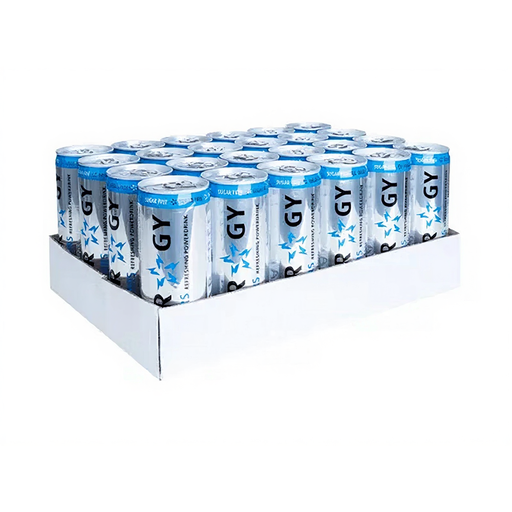
Why it suits this profile: The pack contains 24 cans of 250 ml. This is practical for keeping a supply at home or in the office. According to the product information, the drink contains 0 g of sugar per 100 ml and 0.032% caffeine.
The serving size is clearly stated, and the sugar-free formula helps you avoid buying a regular variety containing 11 g or more of sugar per 100 ml. Do check the listed sweeteners, including aspartame.
24 x 250 ml, 0 g of sugar per 100 ml according to the product information, and a compact size for taking with you.
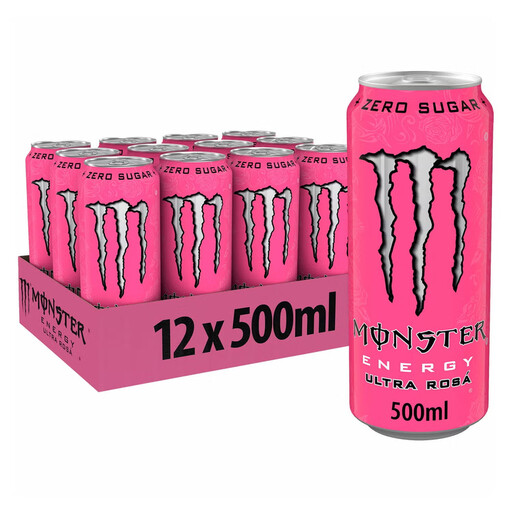
Why it suits this profile: This multipack combines a large 500 ml format with a sugar-free formula and a recognisable fruit flavour. The product information lists 2 kcal and 0 g of sugar per 100 ml.
The product page states a caffeine content of 32 mg per 100 ml. This makes it easier to estimate the total amount per can than if you relied solely on the marketing copy.
12 x 500 ml, 0 g of sugar per 100 ml and 2 kcal per 100 ml according to the stated nutritional values.
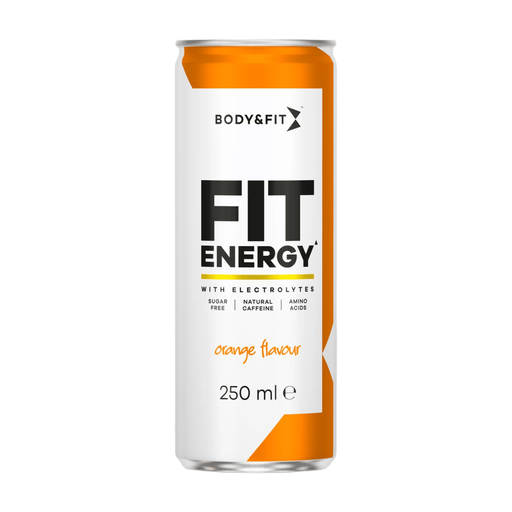
Why it suits this profile: This drink is designed for use around physical activity and, according to the product information, contains 100 mg of caffeine, 70 mg of magnesium, electrolytes and amino acids per 250 ml can.
The formula is more comprehensive than that of a standard energy drink. The exact amounts per can are stated, so you do not have to rely solely on terms such as “sport” or “focus”.
250 ml per can, sugar-free according to the product description, with clearly stated levels of caffeine, magnesium and amino acids.
We have put together a complete, up-to-date list of products that fully meet these strict selection criteria and the applicable European safety regulations.
Sugar-free varieties such as Monster Ultra Rosa, Monster Ultra White, Red Bull Sugar-Free and Slammers Sugar-Free list 0 g of sugar per 100 ml or per serving, depending on the product label. However, they may still contain sweeteners and caffeine. Always check both.
That depends on your goal. An energy drink may contain caffeine and sometimes sugar, but it is not automatically a hydrating sports drink. For prolonged exercise, hydration, electrolytes and carbohydrates may be more important than caffeine alone. A product such as Body & Fit Fit Energy Drink lists electrolytes and amino acids, while Ghost Warheads Watermelon is offered without caffeine.
The best-before information is shown on the packaging. Store unopened cans according to the product advice, usually in a cool place away from direct sunlight. Once opened, keep the can refrigerated and consume it within the stated period. For multipacks, check the date on each individual pack before building up a large stock.
