
Vandaag of morgen in huis

Kwaliteit gegarandeerd

Welkomstaanbiedingen ontgrendelen: GRATIS bezorging | Tot 80% korting | Gratis 30 dagen JoyPlus-proefperiode
Download de app
Are you looking to buy an energy drink, but struggling to see the difference between all the brands, flavours and multipacks? Online you’ll find classic energy drinks, a sugar-free energy drink, sports drinks with electrolytes and protein drinks. These products aren’t automatically interchangeable. An energy drink with caffeine suits a different occasion than a caffeine-free hydration drink.
As Joybuy Product Recommendation Officer, I filter the most important product information based on verifiable specifications. This way, you’ll know what to look for before you order energy drinks online.
A low price might look appealing, but you can’t fairly compare a 250 ml can with a 500 ml can without working out the price per litre. Also check whether a deposit is included in the price. On some multipacks, the amount is listed separately.
An energy drink multipack is handy if you already have a favourite flavour or regularly drink a can. For a first order, a 3-pack or a single 330 ml can might be a wiser choice. That way, you avoid being stuck with a large stock that doesn’t suit your taste.
Sugar-free doesn’t mean a drink contains no caffeine. Monster Ultra variants, for example, are sugar-free but, according to the product information, do contain caffeine. If you want less sugar, you should also check the caffeine content and the recommended warnings on the label.
If you specifically want to avoid caffeine, it’s better to look at a product like Applied Nutrition NA11 Hydration. According to the product information provided, this drink contains no caffeine.
Words like “focus”, “energy”, “sport” and “hydration” don’t tell you much about the actual composition. Always look at:
Brand claims about effects are not established facts. According to the brand’s own research or product information, ingredients may support certain functions, but that doesn’t replace personal dietary advice.
An energy drink often contains around 30 to 32 mg of caffeine per 100 ml, but the total can size makes a big difference. A 500 ml can with 30 mg per 100 ml contains roughly 150 mg of caffeine, while a 250 ml can with 32 mg per 100 ml contains about 80 mg.
So don’t just rely on the words “energy drink with caffeine”. Compare the figures per can. Red Bull Energy Drink, for example, lists 32 mg of caffeine per 100 ml. The 24 x 250 ml pack is suitable if you want to store or take smaller portions with you.
Energy drinks with a high caffeine content are generally not recommended for children, pregnant women or women who are breastfeeding. People who are sensitive to caffeine or have a medical condition should read the label carefully and seek medical advice if in doubt.
A regular energy drink often contains sugar. Red Bull lists 11 g of sugar per 100 ml; Slammers Energy Refreshing Power Drink lists 11.4 g of sugar per 100 ml. In a 250 ml can, that adds up to around 27.5 to 28.5 grams of sugar.
A sugar-free energy drink can be an alternative if you want to limit your sugar or calorie intake. Monster Energy Ultra White lists 0 grams of sugar and 12 kcal according to the product information. Slammers Sugar-Free also lists 0 grams of sugar and 9 kcal per 100 ml. Do check the sweeteners used, such as sucralose, acesulfame-K or aspartame.
A sports drink with electrolytes is mainly aimed at hydration around physical activity. Applied Nutrition NA11 Hydration provides, per 330 ml can, 500 mg of sodium, 190 mg of potassium and 56 mg of magnesium, with 0 grams of sugar and 7 kcal according to the product information. This product contains no caffeine.
A protein drink has a different purpose. Optimum Nutrition Protein Water provides, per 350 ml bottle, 16 g of whey protein, 0 grams of sugar and 64 kcal. This drink contains milk and is therefore not suitable for people with a milk allergy. So choose based on the occasion: caffeine for an energy drink, electrolytes around exercise, or protein as part of your daily diet.
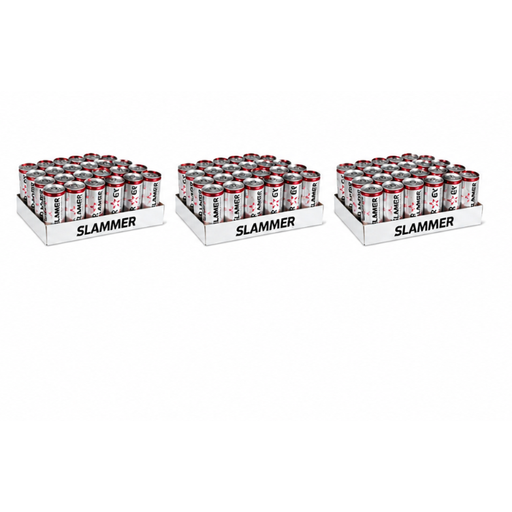
Why this fits: A small pack to try a flavour first, without immediately buying a large energy drink multipack.
The 3-pack reduces the risk of a bad buy when you don’t yet know the brand. Check the sugar and caffeine content on the can.
250 ml per can; the regular variant lists 11.4 g of sugar per 100 ml and 0.032% caffeine.
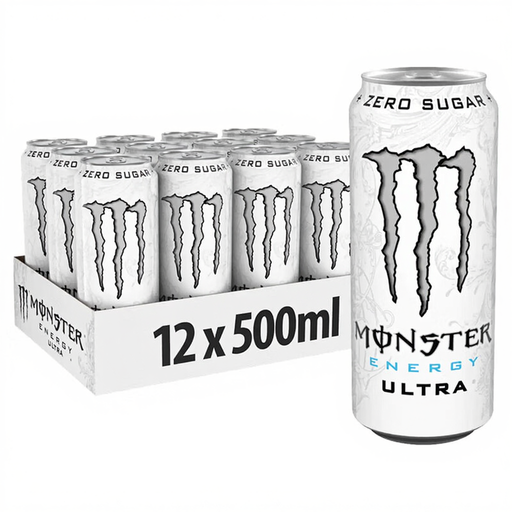
Why this fits: For adults who want to buy Monster Energy and are looking for a large pack without sugar.
“Sugar-free” here does not mean caffeine-free. So check the caffeine value and warnings before you order.
12 cans of 500 ml; according to the product information, 0 g of sugar and 12 kcal per serving.
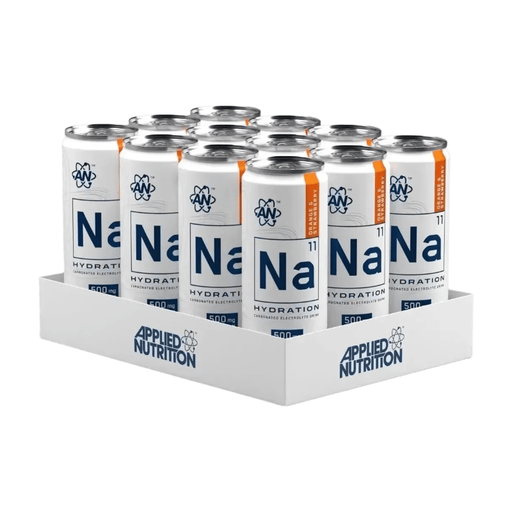
Why this fits: A caffeine-free option for training, travel or times when you want a drink with electrolytes.
This is not a classic energy drink with caffeine. The product information lists 0 g of sugar and no caffeine; choose it for hydration around exercise.
Per 330 ml can: 500 mg sodium, 190 mg potassium, 56 mg magnesium and 7 kcal.
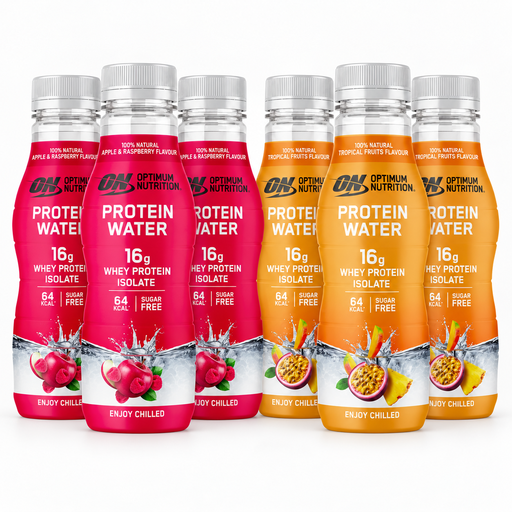
Why this fits: For anyone who wants a light, fruity protein drink after exercise instead of a creamy shake.
Don’t confuse a protein drink with a caffeinated energy drink. Also check the milk allergen and the serving size.
16 g of whey protein per 350 ml bottle, 0 g of sugar and 64 kcal according to the product information.
Browse our current range of products that can be compared by composition, volume and usage occasion.
A multipack often has a lower price per can, but always calculate the price per litre and check for any deposit. A 24-pack is practical for regular use, whereas a 3-pack is better if you want to try a flavour first.
This varies by variant. Monster Ultra White and Slammers Sugar-Free list 0 grams of sugar according to the product information. Carabao Green Apple lists 4.5 grams of sugar per 100 ml, while regular Slammers and Red Bull list around 11 grams or more per 100 ml. Check the current packaging before you order.
That depends on your goal and the composition. An energy drink with caffeine is not the same as a sports drink with electrolytes. For hydration and electrolytes around exercise, you could consider a product like NA11 Hydration. Pay attention to the sodium content, serving size and warnings on the label. Multivitamins, caffeine or electrolytes don’t automatically make a product suitable for every athlete.
