
当日/次日达

品质保障

开启新人专享福利: 全场免邮 | 低至 2 折 | 免费试用 30 天 JoyPlus 会员
下载 Joybuy
If you want to buy an energy drink online, you’ll quickly come across dozens of brands, flavours and sizes. A large can might seem like good value, a well-known brand name inspires trust, and terms like “zero” or “light” sound appealing. But those words don’t tell the whole story.
The key differences are usually in caffeine content, sugar, can size, serving size and total pack price. By checking these points, you can avoid buying an energy drink pack that doesn’t suit how you use it.
A sugar-free energy drink typically contains little or no sugar, but can still have a significant amount of caffeine. Always check the caffeine content per 100 ml and per can. A 500 ml can will naturally contain more caffeine than a 250 ml can, even if the amount per 100 ml is the same.
Also look out for additional caffeine sources such as guarana, coffee extract or green tea extract. These are listed separately in the ingredients on some products.
A box of 12 or 24 energy drink cans often looks like an energy drink deal, but compare the price per can or per litre. A pack of 24 x 250 ml cans contains 6 litres. A box of 12 x 500 ml cans also contains 6 litres. The volume is the same, yet the price can vary significantly.
Also check whether a deposit is included in the price and whether the packaging has a long shelf life. This is especially relevant for a large pack if you don’t drink a can every day.
“Fruity”, “refreshing” or “mango” mainly describe the flavour profile. It doesn’t automatically tell you anything about sugar or calories. For example, Monster Mango Loco contains 11 grams of sugar per 100 ml according to the product information, while various flavours from the Monster Ultra range contain no sugar. So check the nutritional information table, not just the front of the can.
If you want to reduce your sugar intake, you can choose a sugar-free energy drink or a low-calorie option. Red Bull Sugar-Free states 0 grams of sugar and 3 kcal per 100 ml. Slammers Sugar-Free also states 0 grams of sugar and 9 kcal per 100 ml. Celsius Sparkling Peach Vibe and Kiwi Guava state 0 grams of sugar and 3 kcal per 100 ml.
Sugar-free does mean that sweeteners may have been added, such as sucralose, acesulfame-K, aspartame or cyclamate. Check the ingredients if you prefer to avoid certain sweeteners. Slammers Sugar-Free, for example, lists aspartame and a warning that it contains a source of phenylalanine.
Many regular energy drinks contain around 30 to 32 mg of caffeine per 100 ml. That works out at roughly 75 to 80 mg in a 250 ml can and around 150 to 160 mg in a 500 ml can. Ghost Cherry Limeade and Ghost Blue Raspberry state 200 mg of caffeine per 473 ml can. That’s a clearly different usage profile from a smaller can.
Always follow the warnings on the packaging. Energy drinks with a high caffeine content are generally not recommended for children, pregnant women, breastfeeding women and people who are sensitive to caffeine. According to the product information, some Ghost products are intended only for individuals aged 18 and over. Check the current packaging and applicable age restrictions before you order.
A 250 ml energy drink is practical for use on the go, a short workday or if you want to keep your portion small. A 500 ml energy drink can be more convenient for longer use or for sharing, but with a similar recipe it contains roughly twice as much drink and caffeine.
When exercising or in hot weather, also note the difference between an energy drink and a hydration drink. According to the product information, Ghost Warheads Watermelon is a caffeine-free drink with electrolytes and should not automatically be considered a classic energy drink.
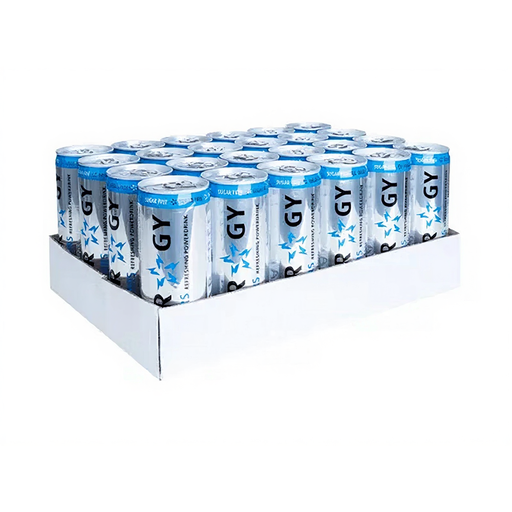
Why this fits the profile: The pack contains 24 compact 250 ml cans and is suitable for anyone looking for a smaller portion and a supply for on the go.
The product information states 0 grams of sugar per 100 ml. Do check the listed sweeteners, including aspartame, before you order.
24 x 250 ml, 0 grams of sugar per 100 ml and a compact size for individual use.
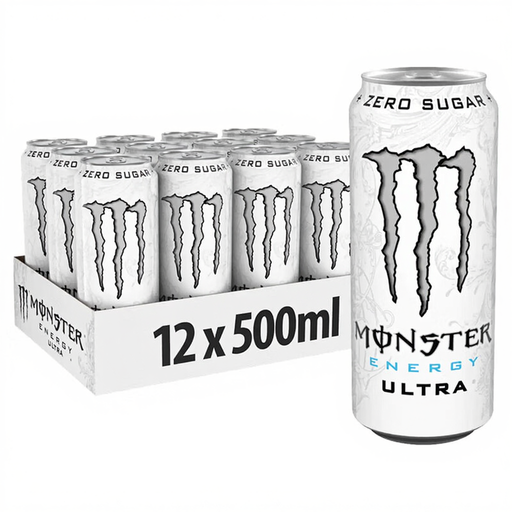
Why this fits the profile: A generous box of 12 large cans, ideal for fans of a citrus flavour and a sugar-free Monster option.
The product table states 0 grams of sugar and 12 kcal per 500 ml. The larger volume does mean you need to pay attention to the total caffeine per can.
12 x 500 ml, citrus profile with lemon and grapefruit, and a sugar-free recipe according to the product information.
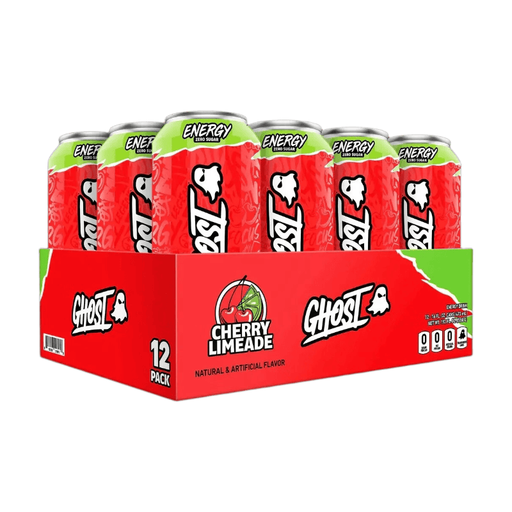
Why this fits the profile: For adult users who are specifically looking for a sugar-free product with a high stated caffeine content and a distinctive flavour.
The product information states 200 mg of caffeine per can and advises against combining it with other caffeine sources. This makes the serving size clearly defined.
0 grams of sugar, 10 kcal per can according to the product information, and a pack of 12.
We’ve put together a full, up-to-date list of products that fully meet these strict selection criteria and comply with current European safety regulations.
The price depends on the brand, can size, number of cans, flavour and sugar content. So compare the price per can and per litre. A pack of 24 x 250 ml and a pack of 12 x 500 ml both contain 6 litres, but can have a different total price. Also check whether a deposit has already been included.
Usually, yes, but check the nutritional information table. Red Bull Sugar-Free states 3 kcal per 100 ml, while Monster Ultra varieties can be around 2 to 3 kcal per 100 ml depending on the flavour. “Zero sugar” is therefore not the same as completely free of calories.
Choose 250 ml if you want a smaller portion and a lower total caffeine content per can. 500 ml is better for buying in bulk, sharing or longer use, but with a similar recipe it contains roughly twice as much drink. Always check the current nutritional information on the packaging before you order.
