
Vandaag of morgen in huis

Kwaliteit gegarandeerd

Welkomstaanbiedingen ontgrendelen: GRATIS bezorging | Tot 80% korting | Gratis 30 dagen JoyPlus-proefperiode
Download de app
Would you like to buy energy drinks online, but can no longer see the difference between all the brands, flavours and multipacks? A 250 ml can may seem like good value, while a 500 ml pack may work out cheaper per litre. Terms such as “zero sugar”, “focus” and “extra energy” also do not always tell you enough about what you are actually buying.
As a Joybuy Product Recommendation Officer, I filter the most important product information down to practical points. This lets you compare energy drinks based on verifiable details rather than eye-catching packaging or marketing claims alone.
A multipack of 12 energy drinks may sometimes seem more expensive than a smaller box, but it also contains more millilitres. Therefore, compare the price per can and per litre. For example, a 12-pack of 500 ml contains 6 litres of drink. A 12-pack of 250 ml contains 3 litres.
Also check the deposit, any delivery charges and the best-before date. Bulk energy drink packs are particularly practical when you have enough storage space and will use the drinks within the stated period.
A sugar-free energy drink will generally still contain caffeine. “Zero sugar” or sugar-free energy drink therefore tells you nothing about the amount of stimulating substances. Always check the caffeine content per 100 ml and per can.
For example, Red Bull products in this selection contain 32 mg of caffeine per 100 ml. That works out at approximately 80 mg in a 250 ml can. Monster Ultra products state around 30 to 32 mg per 100 ml, depending on the variant. According to the product information, Ghost Energy contains 200 mg of caffeine per can. That is a significantly different amount from many 250 ml cans.
A new flavour may be tempting, but check whether you are buying a single can, a 3-pack, a 12-pack or a double multipack. Product titles may, for example, state “12 x 250 ml x2”. Therefore, check the total number of cans and total volume on the product page before ordering.
Caffeine is an important component of a caffeinated drink. Do not just look at the figure per 100 ml; calculate it for the full can:
Energy drink packaging generally carries a warning about high caffeine content. These products are not recommended for children, pregnant women, breastfeeding women or people who are sensitive to caffeine. Take caffeine from coffee, tea, cola and supplements into account. Do not mix energy drinks with alcohol or use them as a substitute for sleep or normal fluid intake.
A standard variant may contain sugar and glucose. For example, Monster Energy Original 500 ml states 11 grams of sugar per 100 ml in the product information provided. In a 500 ml can, this adds up to a considerably higher total amount.
Sugar-free variants use sweeteners such as sucralose, acesulfame-K or aspartame. If you want to limit your sugar intake, you can compare these options, but always check the ingredients list and allergen information. Slammers Sugar-Free, for example, states that the product contains aspartame, a source of phenylalanine.
A 250 ml energy drink is convenient for when you are out and about, during a short study or work session, and when you want to control your total intake more easily. A 500 ml energy drink is more suitable for keeping at home, long gaming sessions or intensive use throughout the day.
Choose the pack size based on how you will actually use it. A large can is not automatically better value if you regularly throw some of it away.
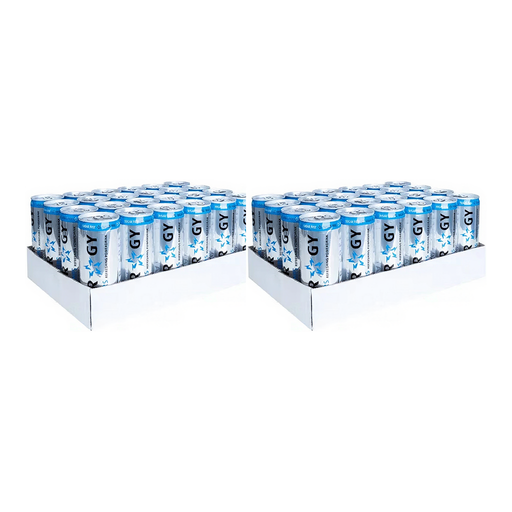
Why it suits this profile: The 250 ml size and large pack are practical for anyone who wants to keep several smaller portions in stock.
The product information states 0 grams of sugar per 100 grams. However, check the label for aspartame and caffeine.
24 x 250 ml cans; sugar-free formula according to the product description.
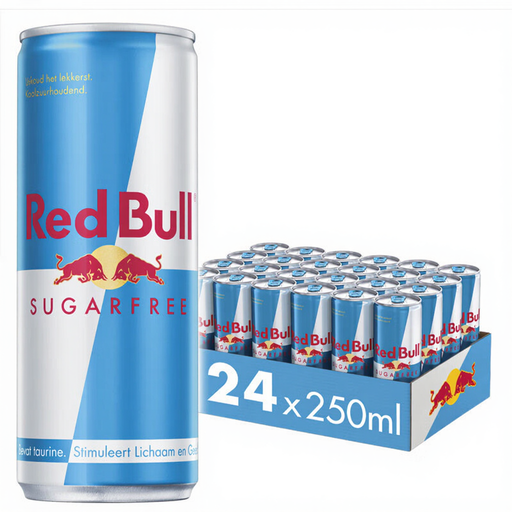
Why it suits this profile: A compact multipack from a well-known brand, suitable for keeping at home, at work or taking with you.
The packaging clearly states 0 grams of sugar per 100 ml and 32 mg of caffeine per 100 ml.
24 x 250 ml; sugar-free; the caffeine content is easy to calculate per can.
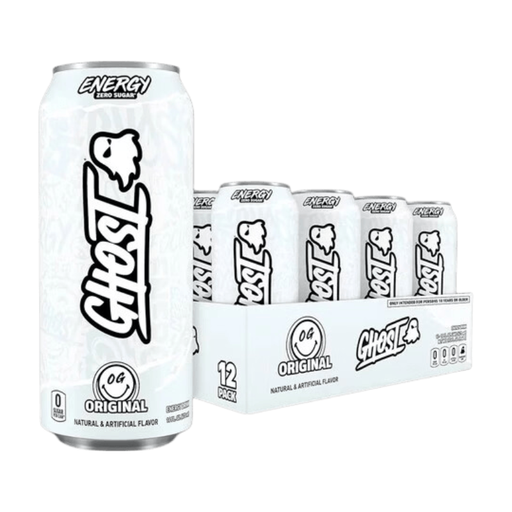
Why it suits this profile: The large can size and stated amount of 200 mg of caffeine per can suit adult users who are consciously looking for a stronger caffeine intake.
The caffeine content is stated per can. According to the product description, this product is intended for people aged 18 and over.
12 x 500 ml; according to the product information, sugar-free; clear caffeine warnings.

Why it suits this profile: The citrus combination of lemon and grapefruit, together with the 500 ml size, suits anyone looking for a refreshing, sugar-free Monster variant.
The product description states 0 grams of sugar and 12 individual 500 ml cans, making the total volume clear in advance.
12 x 500 ml; citrus profile; according to the product information, 12 kcal per can.
We have put together a complete, up-to-date list of products that fully meet these strict selection criteria and the applicable European safety regulations.
Use this quick checklist before ordering energy drinks online:
Please note that product information may change. The information on the packaging of the product delivered is the definitive source.
This varies by brand, flavour and size. A 250 ml can with 32 mg of caffeine per 100 ml contains approximately 80 mg of caffeine. A 500 ml can with the same concentration contains approximately 160 mg. Some products, such as certain Ghost Energy variants, state 200 mg per can. Add together the caffeine from all sources.
Not always to exactly the same extent, but sugar-free variants generally contain little energy compared with sugared variants. Check the nutritional table per 100 ml and per can. This helps prevent you from confusing a claim such as “zero sugar” with “caffeine-free” or “free from sweeteners”.
A 250 ml can is practical for a short period of use and makes portion control easier. A 500 ml can contains twice as much drink, but also approximately twice as much caffeine when the caffeine content per 100 ml is the same. So do not choose based on size alone; also consider your total caffeine intake and how you plan to use it.
