
Vandaag of morgen in huis

Kwaliteit gegarandeerd

Welkomstaanbiedingen ontgrendelen: GRATIS bezorging | Tot 80% korting | Gratis 30 dagen JoyPlus-proefperiode
Download de app
Buying an energy drink might seem straightforward: pick a brand, flavour and size, add a multipack to your basket. But there are real differences in caffeine content, sugar, volume, sweeteners and price per can. If you only look at the front of the packaging, you could end up paying extra for marketing or buying more than you actually need.
This buying guide will help you choose the right caffeinated drink for work, study, gaming, sport or on the go.
A sugar-free energy drink typically contains little or no sugar, but it can still have a significant amount of caffeine. For example, Red Bull Sugarfree lists 32 mg of caffeine per 100 ml. In a 250 ml can, that works out at around 80 mg.
Ghost Energy Original states 200 mg of caffeine per 500 ml can. That’s a big difference compared with a standard 250 ml can. So always check both the sugar content and the amount of caffeine per can.
A 500 ml energy drink may be cheaper per litre than a 250 ml can, but it also contains more liquid and often more caffeine per pack. For a quick break at work or on the go, 250 ml can be more practical. For regular use at home, an energy drink multipack with 500 ml cans might suit you better.
Don’t just compare the total price of an energy drink deal – also look at:
Brands often mention taurine, B vitamins, ginseng, L-carnitine or other ingredients. According to the brands’ own product information, these substances are part of their recipe. That doesn’t automatically mean everyone will experience the same effect. Treat such ingredients as product information, not a medical promise.
Ghost Cherry Limeade, for example, lists caffeine, taurine, L-carnitine and Alpha-GPC among its ingredients. The effects the brand associates with these ingredients shouldn’t be confused with a guaranteed personal outcome.
European labelling for drinks with more than 150 mg of caffeine per litre requires a warning about high caffeine content, along with the amount of caffeine per 100 ml. Use that figure to compare packs fairly.
A simple example:
Also keep an eye on caffeine from coffee, tea, cola and supplements. For healthy adults, a total upper limit of 400 mg of caffeine per day is often recommended, but individual sensitivity varies. Pregnant women, children and people who are sensitive to caffeine should follow the warnings on the label and consult a doctor or midwife if necessary.
If you want to limit sugar, you can choose a sugar-free energy drink. Examples in the range include Monster Ultra White, Red Bull Sugarfree and Red Bull Green Edition Sugarfree Curuba Elderflower. These products use sweeteners – “sugar-free” doesn’t mean the drink contains no sweeteners at all.
If you prefer the classic sweet taste, look at Monster Energy Original or Red Bull editions with sugar. Always check the nutritional information per 100 ml, because a 500 ml can contains five times that amount.
A 250 ml energy drink is compact and gives you a clear single serving. A 500 ml energy drink offers more volume, but often also contains more caffeine per can. Multipacks of 12 or 24 are handy once you’ve found a flavour you like. For new flavours, it’s wiser to go for a smaller pack or just a few cans, so you don’t end up with a stock that doesn’t suit your taste.
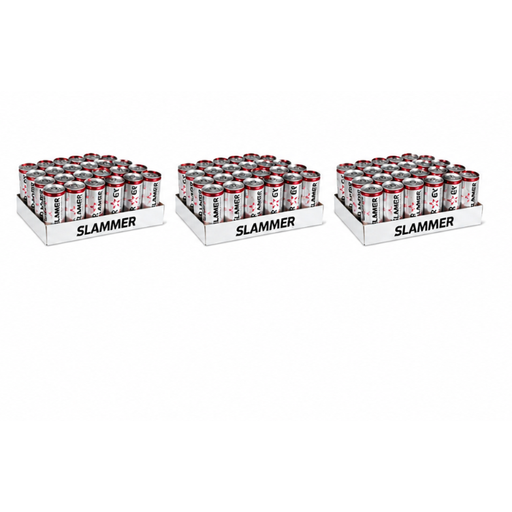
Why this fits the profile: A small pack is ideal for trying a flavour without committing to a large stock.
The 3-pack reduces the risk of buying too much before you know the flavour and sweetness.
3 cans, classic sweet recipe and clear caffeine information in the product details.
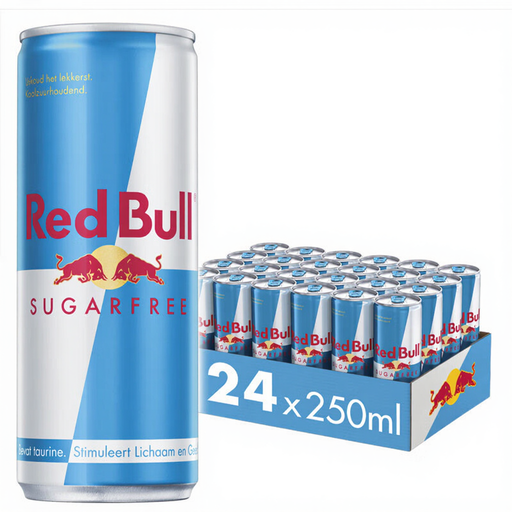
Why this fits the profile: The 250 ml cans are ideal if you want a fixed serving size and a sugar-free option.
The product information states 0 g sugar per 100 ml and 32 mg caffeine per 100 ml, making comparisons easier.
24 compact cans, sugar-free and with B vitamins according to the product information.
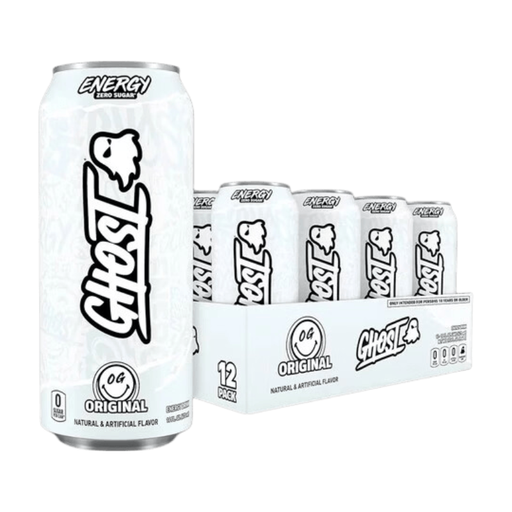
Why this fits the profile: The large multipack and size suit adults who regularly use a sugar-free drink for work, gaming or study.
The caffeine content of 200 mg per can is clearly stated, so you can see straight away that this isn’t a light 250 ml serving.
12 cans of 500 ml, 0 g sugar according to the product information and intended for adults aged 18 and over.
We’ve put together a full, up-to-date list of products that fully meet these strict selection criteria and comply with current European safety regulations.
That depends on your preferred size, flavour and caffeine intake. A 250 ml can, such as Red Bull Sugarfree, gives you a clearly defined serving. If you want to avoid sugar, consider a sugar-free option. Always check how much caffeine you’ve already had from other drinks that day.
The price per can in a multipack is often lower, but this varies by deal, brand and size. Compare the price per litre and per can. Also factor in any deposit and check the best-before date when buying in bulk.
Unopened cans are good until the date on the packaging, provided they are stored according to the instructions. Once opened, the drink should be kept refrigerated and consumed within the stated period. Always check the packaging, seal and date when you receive your order.
