
Vandaag of morgen in huis

Kwaliteit gegarandeerd

Welkomstaanbiedingen ontgrendelen: GRATIS bezorging | Tot 80% korting | Gratis 30 dagen JoyPlus-proefperiode
Download de app
Thinking of buying an energy drink online but unsure whether to go for cans, multipacks or compact pre-workout shots? The difference isn't just about flavour or brand. Caffeine content, sugar, serving size and when you plan to use it all determine which product is right for you.
For British shoppers, there are a few common pitfalls to watch out for. A large pack might seem like good value, but it can contain more drink and caffeine than you need in a single day. Likewise, "zero sugar" doesn't tell you anything about the caffeine content. And a product marketed as an energy drink for exercise isn't automatically the same as a pre-workout drink.
A sugar-free energy drink may be low in calories, but it can still have a high caffeine content. Always check the amount per 100 ml and per container. A 500 ml can with 30 to 32 mg of caffeine per 100 ml contains around 150 to 160 mg of caffeine per can.
A box of 12 or 24 cans might look tempting when there's an energy drink offer, but compare the price per can or per 100 ml. Also check the best-before date and how much storage space you have. If you only drink them occasionally, a multipack isn't always better value.
A pre-workout shot is usually concentrated and designed for a single use before your workout. A regular caffeinated drink is typically larger and meant to be sipped. Always check the recommended dosage and don't combine several caffeinated products without working out the total amount.
According to the approved European health claim, caffeine contributes to increased alertness and concentration when consumed in sufficient amounts. The practical question is how much you're actually getting. Red Bull Ice Edition, for example, lists 32 mg of caffeine per 100 ml. A 250 ml can therefore contains around 80 mg.
A pre-workout shot can be significantly more concentrated. The Optimum Nutrition Gold Standard Pre-Workout Shot contains 175 mg of caffeine per 60 ml bottle according to the product information. Cellucor C4 lists 150 mg per 60 ml shot. Remember to factor in coffee, tea, cola and any other supplements you might have that day.
If you're looking for an energy drink without sugar, check the nutritional information table rather than just the front of the pack. Red Bull Ice Edition lists 0 grams of sugar per 100 ml. Monster Ultra Rosa also contains 0 grams of sugar per 100 ml according to the product information. In contrast, regular Red Bull has 11 grams of sugar per 100 ml.
Sugar-free usually means sweeteners such as sucralose or acesulfame-K have been used. That might suit your preference, but the taste varies from product to product.
A 250 ml can is handy for a quick energy boost. A 473 or 500 ml can contains more liquid and often a similar or higher total amount of caffeine. A 60 ml shot is easy to take to the gym and doesn't need mixing.
With a pre-workout drink, also look at the additional ingredients. The product information for Optimum Nutrition lists beta-alanine, citrulline and vitamins B6 and B12. Cellucor C4 mentions beta-alanine, L-arginine and N-acetyl-L-tyrosine. Such ingredients don't automatically make a product suitable for everyone; always follow the recommended dosage on the label.
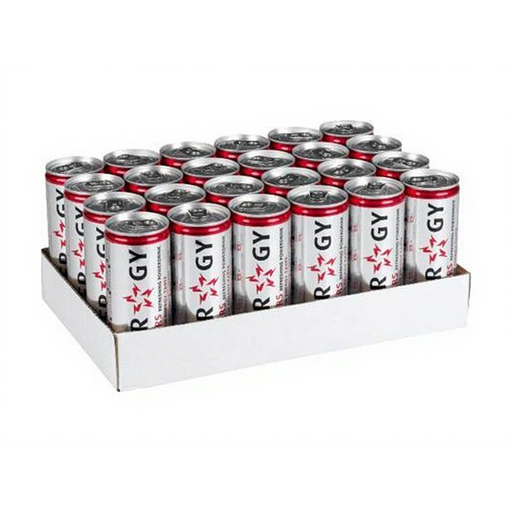
Why this fits the profile: The multipack of 250 ml cans is ideal if you regularly want to take a standard energy drink to work, on the go, or during study or exercise sessions.
The serving size is clearly stated. According to the product information, the drink contains 11.4 grams of sugar per 100 ml, so you can see straight away that this isn't a sugar-free option.
24 cans of 250 ml, carbonated drink and a size that's easy to take with you chilled.
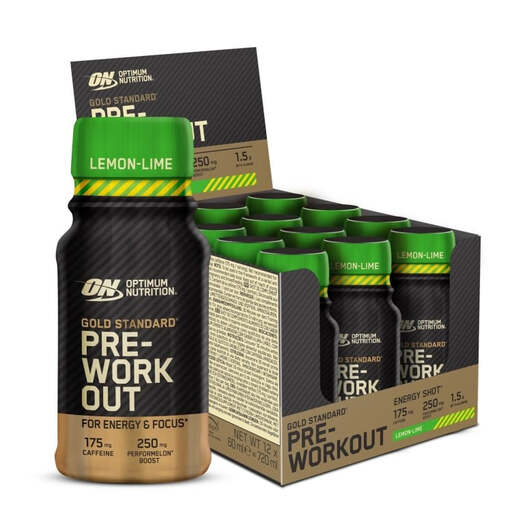
Why this fits the profile: For active adults who want a fixed dosage and a compact pre-workout drink without any mixing required.
The recommended serving is one 60 ml bottle per day. The product information lists 175 mg of caffeine and a sugar-free composition per serving.
12 single-serve bottles, lemon-lime flavour, 1.5 grams of beta-alanine and vitamins B6 and B12 according to the product label.
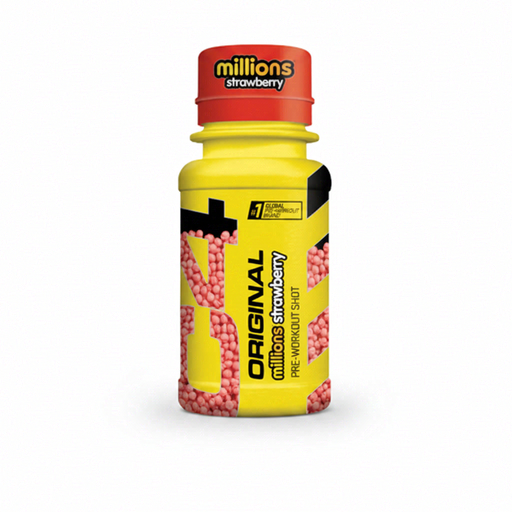
Why this fits the profile: This choice suits adults who want a concentrated pre-workout shot and need to tailor the ingredients precisely to their routine.
The packaging clearly states 150 mg of caffeine per bottle, zero grams of sugar and a maximum of one shot per day. This makes the dosage much easier to follow.
60 ml per serving, sugar-free, 1.6 grams of beta-alanine, 1 gram of L-arginine and strawberry flavour according to the product information.
We've put together a full, up-to-date list of products that meet these strict selection criteria and comply with current European safety regulations.
Always check the warnings on the packaging before you buy. Many products with a high caffeine content are not recommended for children, pregnant women, breastfeeding women or people who are sensitive to caffeine. Some shots are intended only for healthy adults aged 18 and over.
When buying a multipack, work out the price per serving. Divide the total price by the number of cans or shots and then compare products with a similar volume. A 500 ml can might look more expensive at first glance, but it could actually be better value per 100 ml. With cans, also consider any deposit and the actual contents of the delivery.
Check the nutritional information table and look for 0 grams of sugar per 100 ml. The range includes Red Bull Ice Edition, Monster Ultra Rosa and various Optimum Nutrition and Cellucor shots with a sugar-free composition. Always check the caffeine content too.
A pre-workout shot usually contains a small, concentrated serving with a fixed dose of caffeine and additional ingredients. A regular energy drink is typically sold in a larger can and is more suited to drinking on the go, during work or in your free time. Always follow the instructions on the label for both types of product.
The best-before information is on the packaging. Store unopened products according to the storage advice, usually in a cool place away from direct sunlight. Once opened, a can or bottle should generally be kept refrigerated and consumed within the stated period.
