
Vandaag of morgen in huis

Kwaliteit gegarandeerd

Welkomstaanbiedingen ontgrendelen: GRATIS bezorging | Tot 80% korting | Gratis 30 dagen JoyPlus-proefperiode
Download de app
Buying an energy drink might seem straightforward: pick a flavour, select a multipack and place your order. Yet energy cans vary significantly in caffeine content, sugar, size, ingredients and when you use them. A larger pack isn’t automatically better value, and “zero sugar” tells you nothing about the caffeine level.
With this practical guide, you can compare energy drinks using verifiable product information. That way, you won’t end up paying for a formula that doesn’t suit your working day, workout, study session or journey on the go.
A sugar-free energy drink typically contains sweeteners, but can still contain caffeine. According to the product information, Monster Ultra White, Monster Ultra Strawberry Dreams, Monster Ultra Rosa and Red Bull Sugar-Free all contain caffeine. If you’re mainly looking to avoid sugar, these are a good choice; if you want to avoid stimulants, you’ll need a different drink.
A caffeine-free sports drink, such as Applied Nutrition NA11 Hydration, serves a different purpose. According to the product information, this drink contains no caffeine and is designed for hydration and electrolytes around exercise.
An energy drink deal might look appealing when you only check the total price. Make sure you also check:
A 24-pack of 250 ml energy drinks contains 6 litres. A box of 12 x 500 ml cans also contains 6 litres. The packs may look different, but the total amount of drink is the same.
Words like “focus”, “boost” or “performance” don’t always describe a measurable benefit. Start by looking at the nutritional information table and ingredients list. According to the brands’ own product information, B vitamins can contribute to normal energy release, but that doesn’t mean every user will experience the same effect.
For dietary supplements, also check the recommended dosage, warnings and target audience. A drink is not a substitute for sleep, water or a balanced diet.
The amount of caffeine is often listed per 100 ml. Red Bull, for example, states 32 mg of caffeine per 100 ml. In a 250 ml can, that works out at around 80 mg. Monster products in this selection state around 30 to 32 mg per 100 ml, while Ghost Energy contains 200 mg per can according to the product information.
Always compare the total amount per can. A 500 ml can with a similar concentration can contain almost twice as much caffeine as a 250 ml can. Also pay attention to warnings for children, pregnant women, breastfeeding women and people who are sensitive to caffeine. Follow the instructions on the label and don’t combine products with high caffeine content without taking this into account.
A regular energy drink often contains sugar. Red Bull Energy Drink states 11 g of sugar per 100 ml; Slammers Energy Refreshing Power Drink states 11.4 g per 100 ml. In a 250 ml can, that adds up to around 27.5 to 28.5 grams of sugar.
A sugar-free energy drink can be an alternative if you want to limit sugar or calories. Red Bull Sugar-Free states 0 grams of sugar per 100 ml. Monster Ultra White also states 0 grams of sugar and 12 kcal per 500 ml. Do check which sweeteners have been used. Slammers Sugar-Free lists aspartame among its ingredients; people with phenylketonuria should read the warning on the packaging carefully.
A small 250 ml can is practical for on the go, during a lecture or at the office. A 500 ml can might seem suitable for longer use, but with a similar caffeine concentration it also contains more caffeine overall.
For intense exercise, a sports drink with electrolytes is not the same as a classic energy drink. According to the product information, Applied Nutrition NA11 Hydration contains 500 mg of sodium, 190 mg of potassium and 56 mg of magnesium per 330 ml can, with 0 grams of sugar and 7 kcal. The product is caffeine-free. Because of the sodium content, it’s wise to factor the nutritional information into your overall diet.
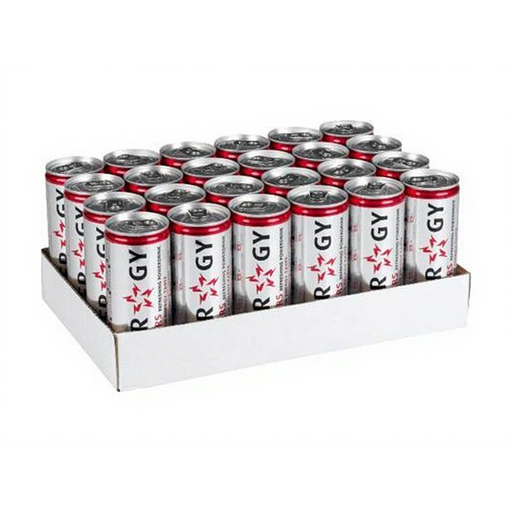
Why this fits the profile: A 24-pack with 250 ml cans is straightforward for home, the office or shared use. The volume per can makes it easier to control your intake than with a larger can.
The product information clearly states 11.4 g of sugar per 100 ml and 0.032% caffeine. This means you can check the composition rather than relying solely on the packaging.
24 cans of 250 ml; contains sugar, caffeine, taurine and B vitamins according to the product information.
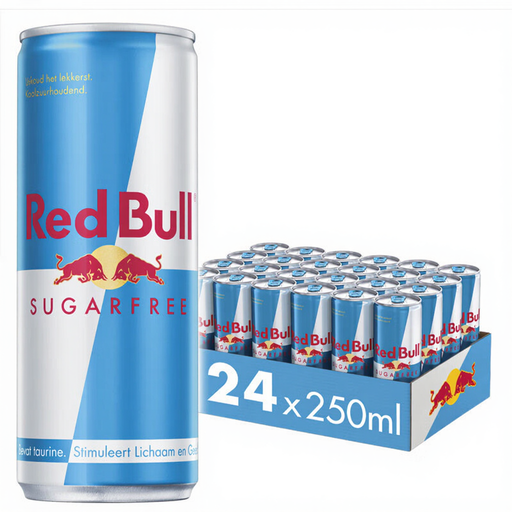
Why this fits the profile: If you want a well-known brand, a consistent can size and a sugar-free formula, this offers a clear combination for the office, study and on the go.
“Sugar-Free” is not confused with caffeine-free here: the product information states 32 mg of caffeine per 100 ml. This keeps the choice transparent.
24 x 250 ml; 0 g sugar and 3 kcal per 100 ml according to the product information.
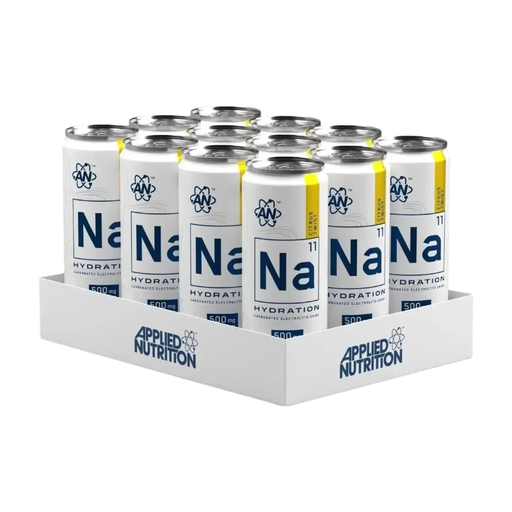
Why this fits the profile: For athletes looking for a caffeine-free sports drink with electrolytes around intense training sessions. The compact 330 ml cans are easy to take with you.
The product information distinguishes between hydration and stimulation: no caffeine, 0 g sugar and a stated sodium content of 500 mg per can.
330 ml per can; 0 g sugar, 7 kcal, 500 mg sodium, 190 mg potassium and 56 mg magnesium according to the product information.
We’ve put together a full, up-to-date list of products that fully meet these strict selection criteria and comply with current European safety regulations.
An energy drink usually contains caffeine and is intended as a soft drink with stimulating ingredients. A sports drink with electrolytes focuses on hydration and minerals such as sodium, potassium and magnesium. Always check the label, as the composition varies by brand and variant.
Not necessarily. A sugar-free energy drink contains less or no sugar, but can still contain a lot of caffeine. So compare both sugar per 100 ml and caffeine per can. Also pay attention to sweeteners and any warnings listed.
Store unopened cans in a cool, dry place, out of direct sunlight and away from heat. Once opened, the can should be refrigerated and consumed within the period stated on the product information. Check the best-before date and the packaging when you receive your order.
