
Vandaag of morgen in huis

Kwaliteit gegarandeerd

Welkomstaanbiedingen ontgrendelen: GRATIS bezorging | Tot 80% korting | Gratis 30 dagen JoyPlus-proefperiode
Download de app
Want to buy an electric toothbrush, but keep seeing big claims about professional cleaning, thousands of movements per minute and smart apps? These specifications can be useful, but they do not automatically tell you whether a model suits your brushing habits. Adults also have different priorities from children aged 3 or 6 and over.
The most important considerations are control, ease of use and ongoing costs. So do not just look at the price of the handle. Also check the included brush heads, replacement costs, battery and charging method.
A sonic toothbrush might, for example, claim 40,000 or 62,000 movements per minute. That is a verifiable product specification, but it does not tell you how comfortable the device feels or how easy it is to reach every area. A round brush head works differently from an elongated sonic head. Above all, choose a shape that you can move gently along every tooth.
Claims about plaque removal or healthier gums are brand claims. According to Oral-B’s own research, certain iO models show specific improvements compared with a manual toothbrush. These results do not automatically apply to every model or every user.
A handle with an IPX7 or IPX8 rating is designed to withstand a certain degree of exposure to water. However, the charging port or charging station must remain dry. The Rushi R-C31, for example, states that the Type-C connection must be completely dry before you connect the cable. Also make sure that the charging station is not positioned next to a full sink or shower.
Brush heads generally need to be replaced roughly every three months, or sooner if the bristles are worn. So check in advance which replacement heads are available and how much they cost. An electric toothbrush for adults with lots of brushing modes is not automatically better value if you rarely use those features.
A toothbrush with a pressure sensor gives a light or vibration signal when you press too hard. Some models also reduce the speed. This helps you brush more mindfully, but the sensor is no substitute for good brushing technique.
An electric toothbrush with a timer usually runs a two-minute session and signals every 30 seconds. This tells you when to move on to another area of your mouth. For children, a musical or interval timer can be particularly practical, as it clearly defines brushing time.
A model with five modes may sound appealing, but two or three well-chosen settings may be enough. Consider the purpose:
According to Oral-B’s product information, the iO5 has five modes. The iO3N offers three modes: Daily Clean, Sensitive and Whitening. Philips Sonicare models in the 7100 series list four modes and three intensity levels.
A rechargeable electric toothbrush is convenient if you do not want to keep replacing batteries. Pay attention to the difference between a charging station, a magnetic charger and USB-C. For travelling, a long battery life and a travel case are important. The Oral-B iO3N states a battery life of up to 14 days according to the product description. The Rushi R-C31 uses Type-C charging, while many Oral-B models have their own charging station.
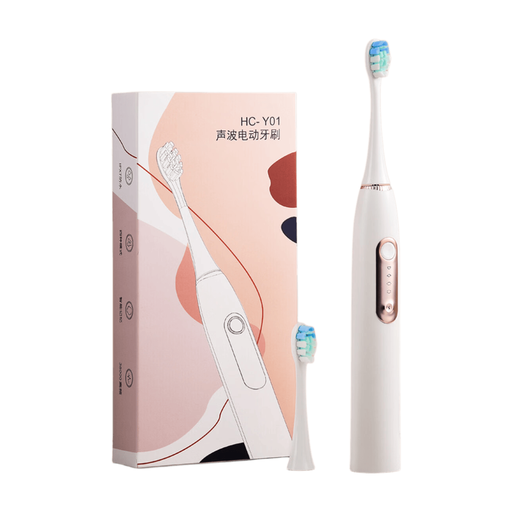
Why it suits this profile: The Type-C connection is practical for households that already use several USB-C cables. The timer and three specified brushing functions keep operation straightforward.
The product information specifically mentions a timer, 30-second alerts and IPX7 water resistance. However, the charging port must be dry before charging.
40,000 movements per minute according to the product description, a 2-minute timer and Type-C charging.
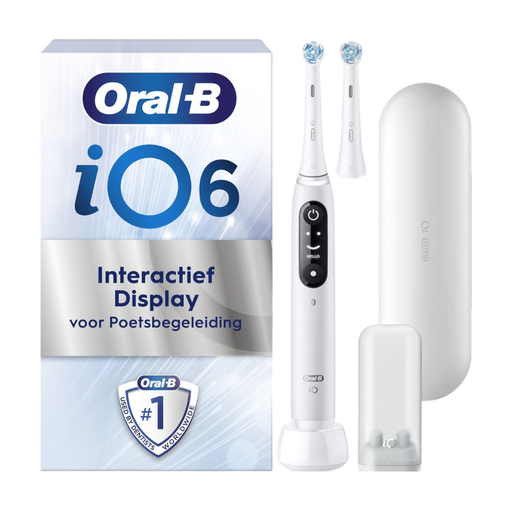
Why it suits this profile: This model is aimed at adults who want feedback and several settings. The display shows brushing modes, brushing time and battery level, among other information.
The pressure sensor shows whether you are brushing too hard, too softly or with the right amount of pressure. This means operation is not determined solely by the number of movements.
Five brushing modes, pressure sensor, timer, display, two brush heads and a travel case according to the product details.
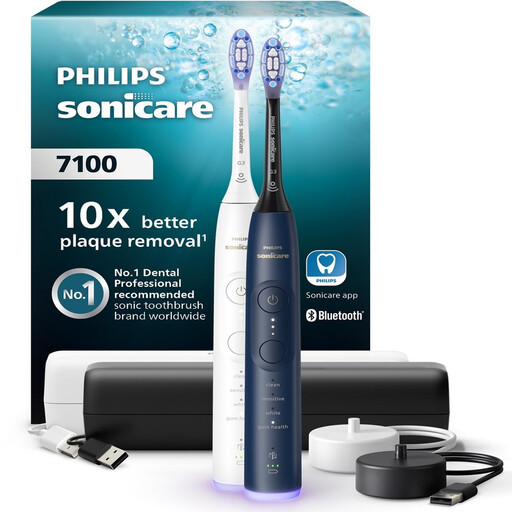
Why it suits this profile: The twin pack with two handles is suitable for couples or households that want to use the same charging station and a travel case every day.
The product specifications list a pressure sensor, timer, four modes and three intensities. So you are not paying solely for a high movement frequency.
Two handles, two brush heads, travel case, four brushing modes and support through the Sonicare app.
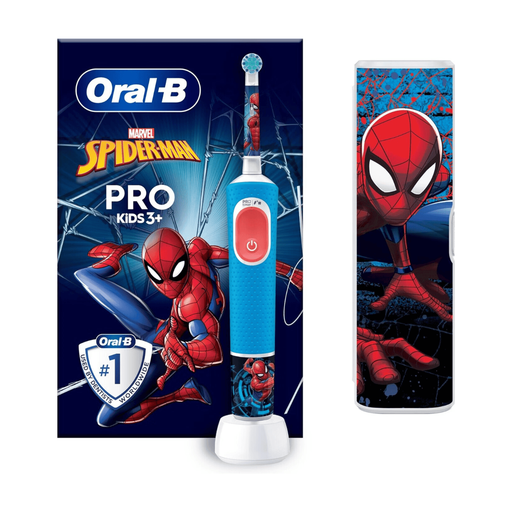
Why it suits this profile: This electric toothbrush is suitable for children aged 3 and over. The extra-soft Sensitive Clean brush head, stickers and interval timer make it easier to supervise brushing.
The age recommendation and supervision instructions are clearly stated. The pressure indicator also helps identify brushing that is too hard for young teeth and gums.
Two brushing modes, 2-minute timer, 30-second intervals, visible pressure sensor and battery life of up to eight days according to the product details.
We have put together a complete, up-to-date list of products that fully meet these strict selection criteria and the applicable European safety regulations.
Battery life varies by model and frequency of use. Manufacturers often state a number of days or minutes per charge. Overall service life also depends on charging habits, moisture, wear and tear, and the availability of replacement brush heads. Check the warranty; many products come with a minimum of two years’ statutory warranty within the EU.
Many product instructions recommend replacing it every three months, or sooner if the bristles are worn or splayed. For children, use a suitable small brush head and keep loose brush heads out of the reach of young children because they contain small parts.
That depends on your preference. A sonic toothbrush uses rapid vibrations across a generally elongated brush head. According to their product information, Oral-B iO models combine a round brush head with rotating and pulsating movements. With both systems, focus on the pressure sensor, timer, battery, charging method and replacement costs rather than just brand names or movement counts.
