
Vandaag of morgen in huis

Kwaliteit gegarandeerd

Welkomstaanbiedingen ontgrendelen: GRATIS bezorging | Tot 80% korting | Gratis 30 dagen JoyPlus-proefperiode
Download de app
Buying soft drinks and tea online seems straightforward, but product pages can hide important differences. A pack labelled “zero”, “light” or “natural” doesn’t automatically tell you everything about the ingredients, calories, caffeine or serving size. A low price per bottle can also seem less appealing if you order a large multipack that you can’t finish in time.
Use this practical guide to compare iced tea, sugar-free soft drinks, low-calorie drinks, Asian drinks, fruit drinks and energy drinks using verifiable information. That way, you can choose an option to suit your taste, when you plan to drink it and your household.
A drink with 0 grams of sugar can still contain sweeteners such as sucralose, aspartame, acesulfame K or steviol glycosides. This matters if you want to avoid certain sweeteners or expect the taste of regular sugar. Always check both the nutrition table and the ingredients list.
For example, VITA 0 Sugar Lemon Tea contains 0 grams of sugar and 0 kcal per 100 ml, but it also contains several sweeteners. The packaging also states that it contains a source of phenylalanine. This makes checking the ingredients list essential, rather than relying only on the front of the pack.
A 1.5-litre bottle can be good value at home, while cans or small bottles are more convenient on the go. Work out the price per litre and per serving. Also check the storage instructions: many drinks need to be refrigerated once opened and consumed within the stated period.
A multipack such as 24 cans of Lipton Sparkling Zero is handy if you drink it regularly, but less suitable if you only want to try a different flavour now and then.
Terms such as “light”, “refreshing” and “natural” don’t always describe what matters most to you. With an energy drink, for example, you should look at more than just the calories: check the caffeine per can too. Carabao Green Apple contains 19 kcal and 4.5 grams of sugar per 100 ml. The product information also lists taurine, guarana extract and caffeine.
According to information provided by the brands or sellers, ingredients may support a particular function, but such claims don’t guarantee a specific effect for you. Use the label information as your starting point and follow the warnings on the packaging.
Start by comparing the values per 100 ml. This makes it easier to see the differences between sizes. Then work out how much you’ll actually drink.
Pay particular attention to:
A low-calorie drink isn’t necessarily sugar-free. Fuze Tea Sparkling Lemon Black Tea, for example, contains 18 kcal and 4.2 grams of sugar per 100 ml. According to the product information, Lipton Zero Sugar Green Mango contains 1 kcal per 100 ml and 0 grams of sugar.
Caffeine is an important factor when comparing coffee and energy drinks. According to the product information, Optimum Nutrition Amino NRG + Electrolytes contains 100 mg of caffeine per 250 ml can. The packaging carries a high-caffeine warning and advises that the product is not recommended for children or pregnant women.
Iced tea and sparkling tea can also contain caffeine if they’re made with black or green tea. If you’re mainly looking for a light, refreshing drink, choose a product that clearly states its caffeine content on the packaging.
Taste is personal, but the ingredients can give you a useful indication:
Store unopened drinks according to the label, away from direct sunlight and heat. Many products need to be refrigerated after opening and consumed promptly.
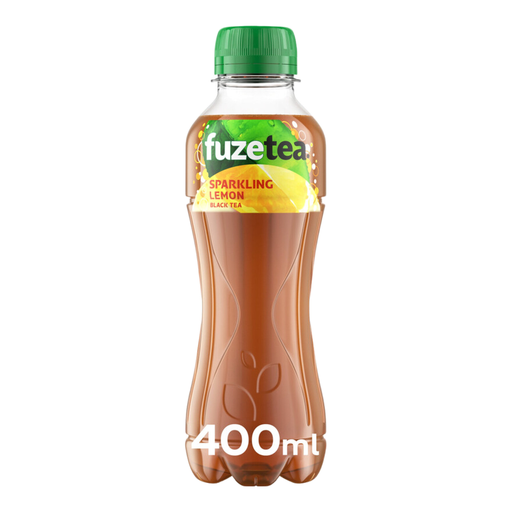
Why it suits this profile: A handy size for anyone who wants to try sparkling lemon tea without committing to a large multipack.
The nutrition information lists 18 kcal and 4.2 grams of sugar per 100 ml, making it easy to assess what “low-calorie” means in practice.
Black tea, lemon flavour and fizz; according to the product information, it’s free from the 14 major EU allergens.
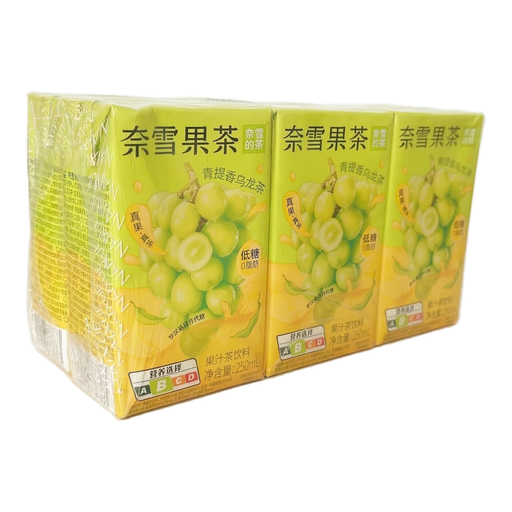
Why it suits this profile: A multipack for anyone who regularly enjoys Asian drinks and fruity oolong flavours.
The label lists the oolong content, fruit percentage and nutritional values, making the fruit claim easier to verify.
250 ml per bottle, 20 kcal per 100 ml and a stated total fruit juice content of at least 9%.
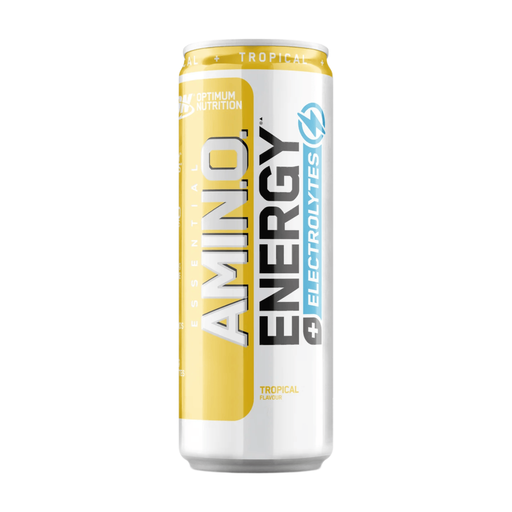
Why it suits this profile: Aimed at adults looking specifically for a sugar-free drink with caffeine and electrolytes to have around a workout.
The caffeine content is clearly stated: 100 mg per can. Warnings and usage restrictions are also provided.
0 grams of sugar according to the product information, 10 kcal per can and a 250 ml pack.
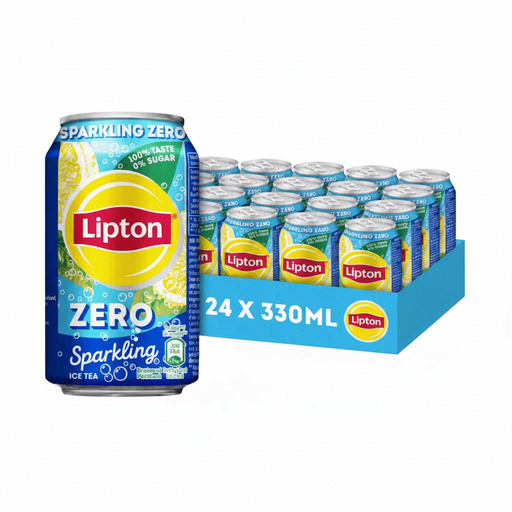
Why it suits this profile: A handy pack of cans for families, home offices or keeping the fridge stocked.
This variant is sold as sugar-free; always check the current packaging and ingredients list when it arrives.
Sparkling iced tea in 24 x 330 ml servings; best served chilled.
We’ve put together a complete, up-to-date list of products that meet these strict selection criteria and the applicable European safety requirements.
Check the sugar per 100 ml first, then look at the sweeteners. Lipton Sparkling Zero, VITA 0 Sugar Lemon Tea and Lipton Zero Sugar Green Mango are described as sugar-free in the product information. They may still taste sweet because of added sweeteners.
No. Iced tea can contain sugar, fruit juice or sweeteners. Fuze Tea Sparkling Lemon contains 18 kcal per 100 ml, while some zero-sugar versions contain virtually no energy. Always compare the nutrition table rather than relying on the product name alone.
Store unopened products in a cool, dry place away from direct sunlight, as stated on the label. Refrigerate opened iced tea, soft drinks, coffee drinks and drinking yoghurt if the packaging instructs you to. Also check the best-before date and use opened products within the stated period.
