
Vandaag of morgen in huis

Kwaliteit gegarandeerd

Welkomstaanbiedingen ontgrendelen: GRATIS bezorging | Tot 80% korting | Gratis 30 dagen JoyPlus-proefperiode
Download de app
If you want to buy drinks online, comparing products may seem straightforward. Yet an eye-catching label, a large value pack or a familiar brand name can distract you from what really matters. The differences often come down to volume, alcohol percentage, sugar content, ingredients and storage instructions.
Whether you are looking to order beer online, alcohol-free beer for weekdays, fruit juice for the family or soft drinks for a party, check the product specifications first. This helps you avoid overpaying, choosing the wrong flavour or ending up with more stock than you can use.
A crate or multipack can be convenient for a birthday, barbecue or dinner. However, the price per bottle or can does not tell the whole story. Also compare the price per litre. For example, a pack of 24 x 300 ml contains 7.2 litres, while 12 x 250 ml contains just 3 litres. Also check whether the deposit, delivery charges and any promotions are included in the displayed total.
Fruit drinks may contain naturally occurring sugars. According to the product description, Van De Boom Pear Flavoured Water contains 0% added sugar, but also 6.6 grams of sugar per 100 ml. Van De Boom Apple Juice contains 6.7 grams of sugar per 100 ml. If you want to compare sugar content, check the nutrition table rather than relying solely on the front of the packaging.
Always check the exact alcohol percentage. Heineken 0.0 Pilsner is offered with 0.0% alcohol, while Jopen Non IPA lists 0.3%. A speciality beer such as Hertog Jan Tripel contains 8.5% alcohol according to the product information. This difference is relevant to your purchase, the occasion on which you plan to serve the drink and age verification upon delivery.
Pay attention to:
A smaller format is better suited to single use. For a party or a household with several people, a multipack may be more practical, provided its shelf life and storage requirements fit your plans.
When ordering beer, you are choosing more than a brand—you are also choosing a style and strength:
For example, Hertog Jan Weizener lists 5.7% alcohol and ingredients such as barley malt, wheat, coriander and orange peel. This information is also useful when checking for allergens.
Read the complete product label if you need to account for allergies or dietary preferences. Many beers contain barley and wheat, meaning that gluten-containing grains may be present. For soft drinks and tonic, it is useful to check the levels of sugar, sweeteners and preservatives.
The product information for Fever-Tree Elderflower Tonic Water lists, among other ingredients, sugar, elderflower extract, citric acid and quinine. According to its description, Royal Club Bitter Lemon contains lemon juice from concentrate, sugar and natural flavourings including quinine. Its flavour profile is therefore different from that of a regular lemon soft drink.
Remember that product compositions can change. Always check the packaging when your order arrives. Brand claims about flavour, naturalness or a particular effect are not established facts; treat them as brand messaging and compare them with the objective ingredients list and nutrition table.
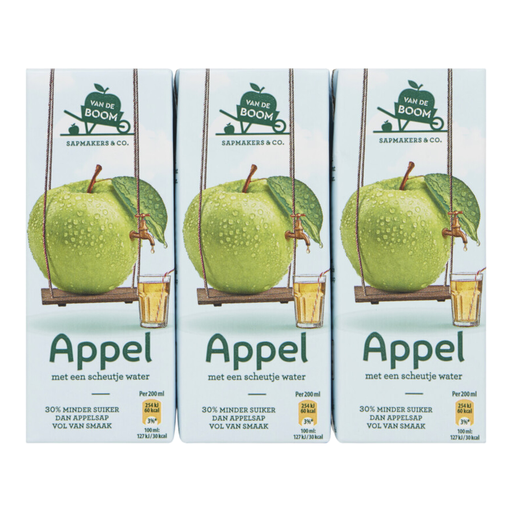
Why it fits: A generous format for breakfast, guests or everyday use. The product information states that it contains 70% fruit drink and 29 kcal per 100 ml.
The nutrition values and ingredients can be checked in advance. This means your choice is not based solely on the “no added sugar” claim.
1.2 litres of content, 68% apple in the stated juice concentrate and none of the 14 major EU allergens according to the product description.
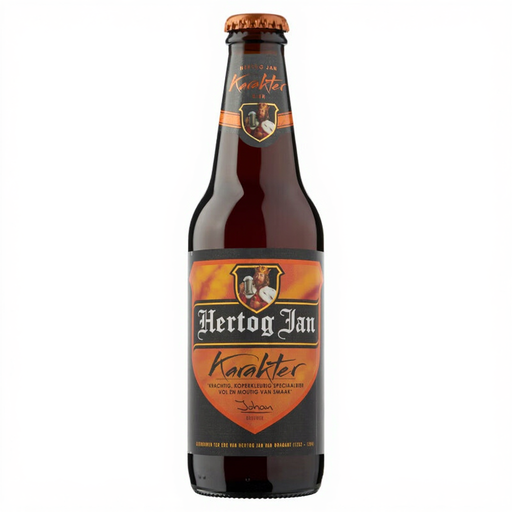
Why it fits: For dinner or a relaxed drinking occasion when you are looking for a copper-coloured beer with malty and caramel-like flavour notes.
The alcohol percentage of 7.5% and allergens such as barley and wheat are listed. This allows you to assess the strength and suitability in advance.
300 ml format, 7.5% alcohol and a recommended serving temperature of 6 to 8 °C according to the product description.
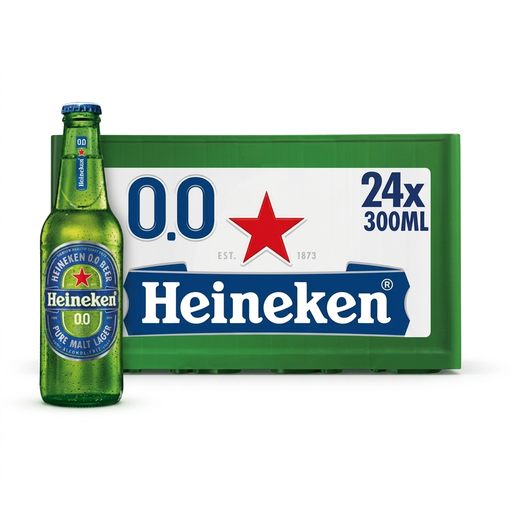
Why it fits: A multipack for guests, parties or occasions when you want alcohol-free beer readily available.
The packaging states 0.0% alcohol and 24 bottles of 300 ml. This makes the total quantity clear before you buy.
0.0% alcohol according to the product information, 21 kcal per 100 ml and a total stock of 7.2 litres.
For mixed drinks, you can choose from a range of flavour profiles. Fever-Tree Elderflower Tonic Water lists elderflower extract, quinine and 7.8 grams of sugar per 100 ml. According to the product information, Fever-Tree Raspberry & Rhubarb Tonic Water contains 7.7 grams of sugar per 100 ml. Royal Club Bitter Lemon has a distinctly bitter citrus flavour and lists 11 grams of sugar per 100 ml.
If you are looking for an alternative to wine, you could consider Kolonne Null White Sparkling. This is a sparkling drink in a 375 ml bottle. When buying alcohol-free wine, always check the actual alcohol percentage and serving instructions on the product page or packaging.
Browse a current selection of drinks and compare volume, flavour profile, ingredients and pack size before placing your order.
That depends on the price per litre, multipack discounts, deposits and delivery charges. Compare the total cost rather than just the individual product price. For larger quantities, home delivery can also save time, but check the minimum order value and delivery terms in advance.
Check the exact percentage: 0.0% and 0.3% are not the same. Also review the allergens, volume per bottle and recommended storage temperature. In the Netherlands, alcoholic drinks are subject to an age limit of 18; for online sales, the delivery driver may ask for proof of identity.
Always follow the label instructions. Many products must be refrigerated after opening and consumed within the stated period. Store unopened drinks according to the instructions, away from direct sunlight and heat. This helps preserve their flavour, carbonation and overall quality.
