
Vandaag of morgen in huis

Kwaliteit gegarandeerd

Welkomstaanbiedingen ontgrendelen: GRATIS bezorging | Tot 80% korting | Gratis 30 dagen JoyPlus-proefperiode
Download de app
If you want to buy drinks online, you’ll quickly be faced with hundreds of options: soft drinks, fruit drinks, juice and fruit juice blends, energy drinks, vitamin drinks, iced tea, kombucha and malt drinks. A low price per pack might look appealing, but the wrong ingredients, flavour or shelf life can make your purchase far less practical.
With these checkpoints, you can compare products based on verifiable information rather than marketing claims.
A sugar-free drink or zero soft drink usually contains little or no sugar, but it may still contain sweeteners. Always check the ingredients list. For example, Sprite Zero Sugar lists acesulfame-K, aspartame and other ingredients on the label. The product also states that it contains a source of phenylalanine.
Even a fruit drink labelled “no added sugar” can contain naturally occurring sugars from fruit. So look at the nutritional values per 100 ml and the serving size.
A drink in bulk packaging is handy for an office, family, catering business or store cupboard. However, a 24-pack can take up unnecessary space if you only drink soft drinks occasionally. Check:
A drinks bundle with smaller portions is often more practical for school and on the go, whereas larger bottles are better suited to home use.
Online product information is useful for an initial comparison, but labels can change. According to product listings, the packaging and materials may contain more or different information than what appears on the website. So always check the current ingredients, allergens, nutritional values, storage advice and warnings on the packaging before use.
This is especially important for drinks containing caffeine, milk, soya, barley or sweeteners.
For a quick comparison, start by looking at millilitres per unit and the total volume. A 330 ml can is ideal for an individual drinking occasion. A 200 ml pouch is easy to take to school or work. A multipack of 12 or 24 units can be more cost-effective if you regularly drink the same flavour.
If in doubt, calculate the price per litre. That way, you can fairly compare a 1.5 litre bottle with a tray of cans.
Pay attention to these terms:
With energy drinks, the amount of caffeine is a key purchase criterion. For example, Ghost Energy states 200 mg of caffeine per 473 ml can and, according to the product information, is intended for adults aged 18 and over. Don’t use such products as a regular thirst-quencher, and don’t combine them thoughtlessly with other sources of caffeine.
Always check whether a product contains milk, soya, barley or other allergens. For instance, Supermalt contains barley; Fristi contains milk; and Yakult Vitals contains soya.
Also pay attention to storage instructions:
If a product has a broken seal before first use, it’s best not to consume it.
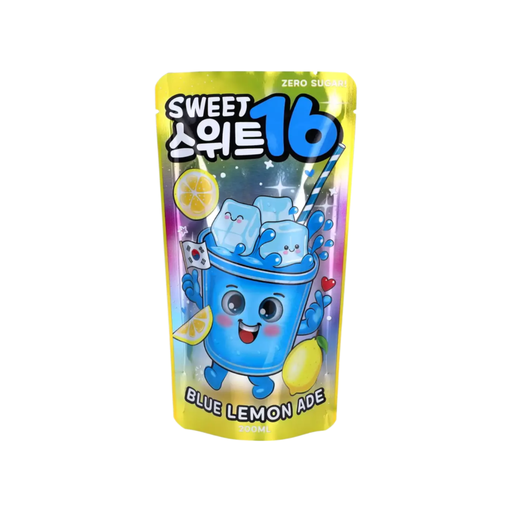
Why this suits the profile: The 200 ml portion is manageable for a first purchase, a school bag or an individual drink. The product description mentions a lemon flavour with no sugar.
The small pack prevents you from buying a large stock straight away. Do check the current label for sweeteners and nutritional values.
200 ml per pack; according to the product description, no sugar; none of the 14 major EU allergens listed.
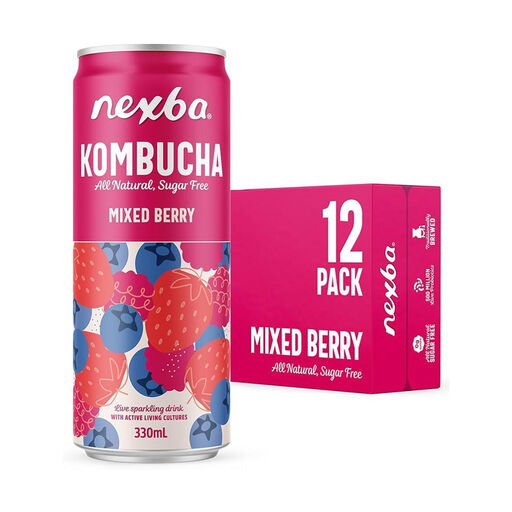
Why this suits the profile: This kombucha offers an alternative to standard soft drinks, with a berry flavour and a tray of 12 x 330 ml cans.
The product information states 0 g sugar and 2 kcal per 100 ml. Check before purchase that the current packaging shows the same values.
12 x 330 ml; according to the product description, fermented kombucha with live cultures; none of the 14 major EU allergens listed.
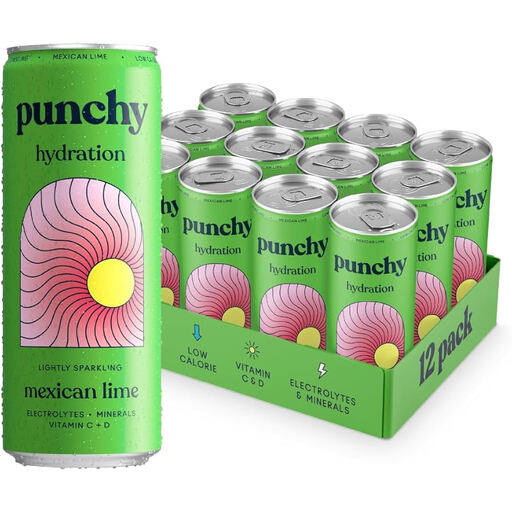
Why this suits the profile: The tray of 12 cans is ideal for stocking up at the office, for sports occasions or for households that regularly want to serve a chilled drink.
The ingredients list includes sugar, agave syrup, minerals and vitamins C and D. This allows you to assess the contents concretely rather than relying solely on the word “hydration”.
12 x 330 ml; Mexican lime flavour; according to the ingredients list, contains a mineral blend and vitamins C and D.
We’ve put together a full, up-to-date list of products that fully meet these strict selection criteria and comply with current European safety regulations.
It depends on the packaging, any offers, delivery costs and the total volume. Compare the price per litre rather than just the price of the whole drinks bundle. A bulk pack can be good value per unit, but only if you use the contents within the best-before date.
Check the date on the packaging. Unopened soft drinks, fruit drinks and malt drinks can usually be stored in a cool, dry place. Once opened, many products need to be refrigerated and consumed within the stated period. For drinking yoghurt and other products containing milk, specific storage advice applies.
Check three things: sugars per 100 ml, the sweeteners used and the serving size. “Zero” or “sugar-free” doesn’t automatically tell you anything about the flavour, caffeine content or other ingredients. The label remains the leading source for your purchase decision.
