
Vandaag of morgen in huis

Kwaliteit gegarandeerd

Welkomstaanbiedingen ontgrendelen: GRATIS bezorging | Tot 80% korting | Gratis 30 dagen JoyPlus-proefperiode
Download de app
Buying drinks online might seem straightforward, but an attractive label doesn’t always tell the full story. A product may be marketed as “juice”, for instance, when it’s actually a fruit drink made with water, sugar and only a small amount of juice. Similarly, large multipacks can appear good value, but they may be impractical if you have limited storage space or a short shelf life after opening.
When ordering online, pay particular attention to these three points:
Confusing juice with fruit drink
Orange juice with 100% fruit content is very different from a drink containing, say, 19% apple or 1% watermelon juice. Always check the ingredients list and the stated fruit percentage.
Misinterpreting “no added sugar”
This doesn’t automatically mean a drink is low in sugar. Appelsientje Orange Juice, for example, states no added sugar, yet according to the nutritional information it contains 8.6g of sugar per 100ml. That sugar occurs naturally in the fruit.
Skipping allergens and storage instructions
Plant-based drinks aren’t always free from allergens. The Wei Yi Natural E Plant Protein Drink, for example, contains peanut, walnut, almond and cashew. Melkan semi-skimmed milk contains milk and, according to the product information, is not suitable for people with a milk allergy or lactose intolerance. When in doubt, always read the label on the packaging.
If you’re looking to buy soft drinks for everyday use, it’s worth understanding the difference between juice, nectar, fruit drink and soft drink. Look out for:
A short ingredients list doesn’t tell you everything about taste, but it does make comparison easier.
Use the per-100ml table to compare different sizes fairly. Look at:
A 1-litre bottle contains ten times the amount of 100ml. A small can or pouch may therefore contain less sugar per pack, even though the per-100ml value is similar. For on-the-go drinks, such as a 190ml or 230ml pouch, the total volume is often more important than just the per-100ml table.
A 1-litre carton of milk works well for breakfast, coffee and cooking, but needs refrigeration after opening. The Melkan Long-Life Semi-Skimmed Milk also states that you should check the best-before and storage information on the packaging.
For on-the-go occasions, smaller packs are more practical:
Always check that the packaging is undamaged and follow the instructions after opening.
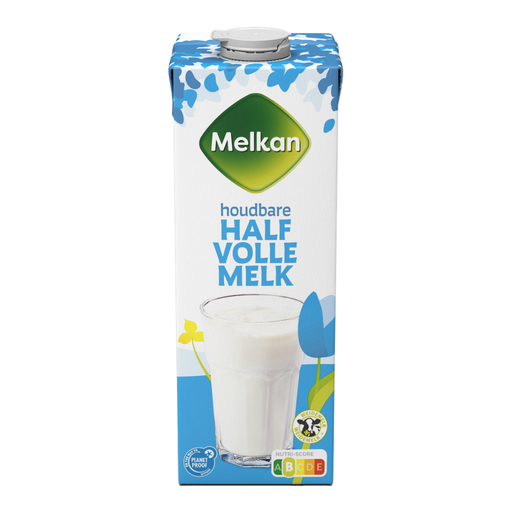
Why this fits the profile: A familiar everyday drink for breakfast, coffee, cereal and cooking. The 1-litre pack is a sensible size for a household that uses regular milk often.
The product information clearly states semi-skimmed milk, milk as an ingredient and the nutritional values per 100ml. This makes the difference from plant-based drinks or fruit drinks immediately obvious.
1.6g fat and 3.7g protein per 100ml according to the product data; suitable for drinking, cereal, coffee and cooking.
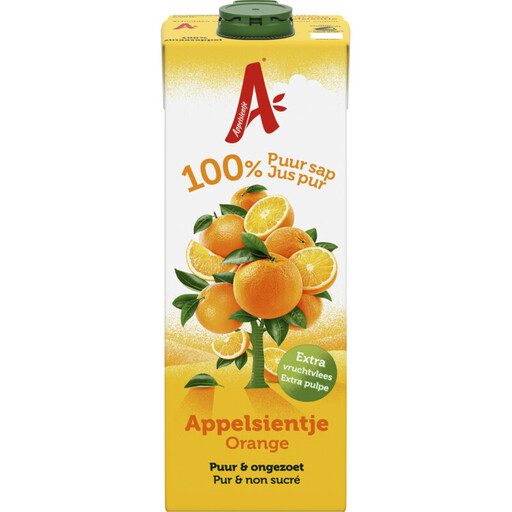
Why this fits the profile: For those who care most about a clear product type and fruit content when buying orange juice. The product description states 100% pure juice with extra pulp.
The ingredients list shows orange juice from concentrate as the only ingredient. “No added sugar” is not confused with sugar-free: the table states 8.6g sugar per 100ml.
100% fruit content according to the product information; 41 kcal and 33mg vitamin C per 100ml as stated on the label.
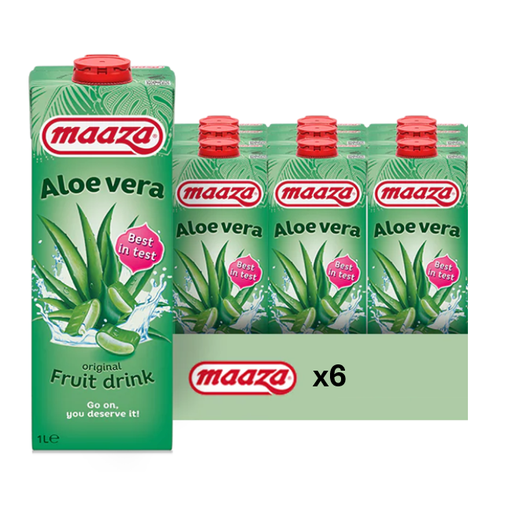
Why this fits the profile: A bulk pack for households that regularly serve aloe vera drink and want to order several litres at once.
The number of six bottles and the total volume of 6 litres are clearly stated. This lets you estimate your stock and required storage space in advance.
Six 1-litre packs; according to the product listing, vegan and caffeine-free.
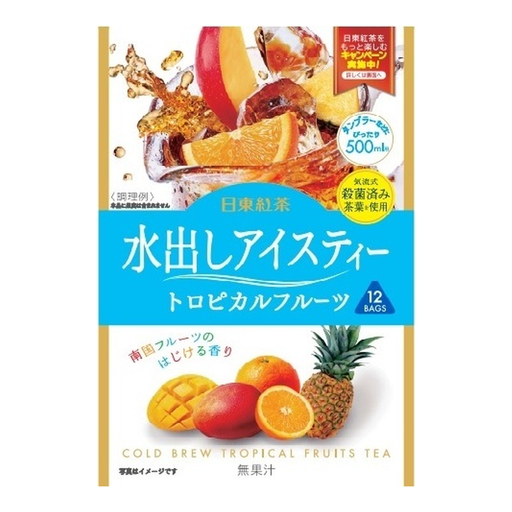
Why this fits the profile: For those who want to make a cold drink at home without storing a large bottle of ready-made soft drink.
The set contains 12 tea bags and is designed for cold brewing. You can control the strength and sweetness yourself, rather than relying on a marketing claim about a ready-made drink.
48g divided into 12 bags; according to the product information, free from the 14 major EU allergens.
We’ve put together a full, up-to-date list of products that fully meet these strict selection criteria and comply with current European safety regulations.
Smaller packs such as the Pine Apple Ade Pouch (190ml), Caffe Bene Peach Ice Tea Pouch (190ml) or Ice Talk Watermelon Drinks Pouch (230ml) are practical for a bag, lunchbox or picnic. Check that the packaging is properly sealed and follow the storage instructions after opening.
Fruit juice, according to the product description, consists of juice, whereas fruit drink often contains water, sugar, sweeteners, flavourings and a smaller percentage of fruit juice. Always compare the ingredients list and the fruit percentage. DubbelDrank Abricot Orange, for example, states a minimum of 46% fruit and contains water, fruit juice from concentrate and sugar.
Store unopened long-life drinks according to the label in a cool, dry place or away from direct sunlight. After opening, many products need to be refrigerated and used within the stated period. Milk, orange juice and fruit drinks also often have a screw cap or seal that should be checked before use.
