
当日/次日达

品质保障

开启新人专享福利: 全场免邮 | 低至 2 折 | 免费试用 30 天 JoyPlus 会员
下载 Joybuy
Dried noodles are an indispensable pantry staple, whether you're preparing a quick meal or crafting an authentic Asian dish. But anyone searching online for buy dry noodles is met with an overwhelming selection. The packaging always promises a "traditional" or "authentic" experience, but in practice, the reality is often different.
As a Joybuy Product Recommendation Officer, I see the challenges consumers face daily. Common mistakes include choosing the wrong type of noodle for a dish, turning your soup into a mushy mess, or falling for attractive packaging when the contents are no different from a much more budget-friendly alternative. This guide will help you avoid those pitfalls and make an informed choice.
Before you place a pack of noodles in your digital shopping cart, there are a few objective specifications that can mean the difference between a successful meal and a disappointment.
The foundation of many Chinese noodles and other Asian noodles is surprisingly simple. A high-quality wheat noodle often consists of just three ingredients: wheat flour, water, and salt.
So, look past the marketing terms and check the ingredients. A short, clear list is often a sign of a pure product.
Not every noodle is suitable for every dish. The shape and thickness are crucial to how the noodle performs.
First, think about the dish you want to make. A hearty beef stew calls for a robust, wide noodle, while a delicate miso soup is better served by a fine, thin variety.
To help you get started, we've highlighted a few products that suit different cooking styles and needs, based on their specifications.
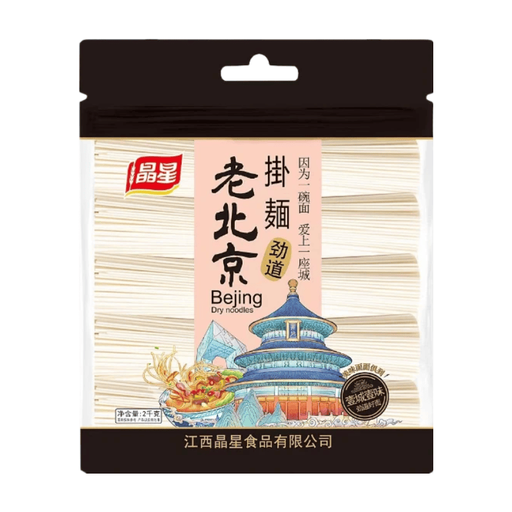
Why This Fits Their Persona: For families who want a reliable pantry staple. These noodles are versatile enough for everyday meals, from a simple noodle soup to a quick stir-fry.
You're not paying for a premium brand or fancy packaging. The ingredient list is simple (99% wheat flour and salt), and the focus is on quantity and functionality.
The 2kg family pack offers excellent value for money. The noodles have a neutral flavor and a firm texture, making them widely applicable.
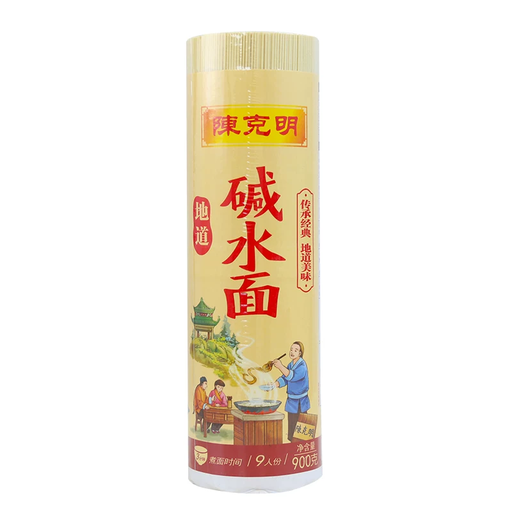
Why This Fits Their Persona: For the home cook seeking that specific, resilient texture essential for dishes like authentic ramen, wonton noodle soup, or cold noodle salads.
This isn't a generic 'Asian noodle'. The addition of sodium carbonate is a deliberate choice for a specific texture that you can't replicate with standard wheat noodles.
Delivers an authentic, firm, and 'springy' bite. The noodles hold their structure well, even in hot soup, and the natural yellow tint (from gardenia) provides an appealing appearance.
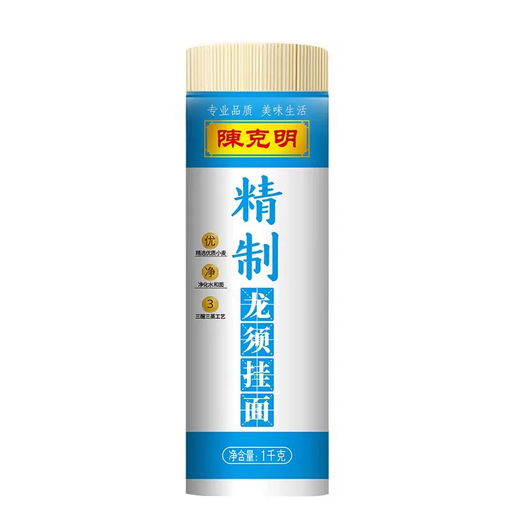
Why This Fits Their Persona: Ideal for anyone who wants to get a nutritious meal on the table quickly after a long day. These ultra-thin noodles are perfect for a quick soup or a light meal without long cooking times.
You avoid the mistake of buying thick noodles that need 8-10 minutes to cook. These 'dragon whisker noodles' are specifically designed for speed, without sacrificing texture.
The very short cooking time of 2-3 minutes is the biggest advantage. The delicate, fine texture is perfect for clear broths and light sauces.
We have compiled a complete, up-to-date list of products that meet these objective selection criteria.
A good rule of thumb: use thin, firm noodles (like fine wheat noodles or rice vermicelli) for noodles for soup, as they won't absorb the broth and become mushy. For noodles for stir-fry (wok noodles), thicker, flat, or robust round noodles are better suited because they can handle the heat and tossing, and they hold the sauce well.
The main difference is the base ingredient. Wheat noodles are made from wheat flour and contain gluten, which gives them an elastic and chewy texture. Rice noodles are made from rice flour, are gluten-free, and generally have a softer, smoother texture. The choice depends on the dish and personal preference or dietary needs.
Dried noodles have a long shelf life, but it's important to store them properly to prevent them from absorbing moisture or breaking. Seal the opened package tightly with a clip or transfer the noodles to an airtight container. Store them in a cool, dry, and dark place, such as a pantry.
