
Vandaag of morgen in huis

Kwaliteit gegarandeerd

Welkomstaanbiedingen ontgrendelen: GRATIS bezorging | Tot 80% korting | Gratis 30 dagen JoyPlus-proefperiode
Download de app
If you want to buy dried fruit online, you will quickly come across dozens of bags containing mango, dates, prunes, raisins and international fruit snacks. The packaging often focuses mainly on how delicious or natural the product is supposed to be. For a well-informed choice, the ingredients, nutritional values, serving size and storage instructions are more important than eye-catching marketing claims.
The same applies to Asian snacks, Turkish snacks and candied fruit. A sweet snack can be suitable for eating on the go, with tea or in a recipe, but the ingredients vary considerably from one product to another.
Dried mango, candied pineapple and hawthorn snacks often contain sugar, syrup, acidity regulators or preservatives. So check the ingredients list rather than just the front of the packaging.
A product with a single ingredient, such as 100% red dates or dried grapes, has a more straightforward composition. A sweet-and-sour Chinese snack, on the other hand, may contain several added ingredients for flavour, texture and shelf life.
Packs of 50, 70, 80 or 100 grams are convenient for eating on the go, but always compare the price per 100 grams. A 500-gram bag is often more practical for regular use in porridge, baking, tea or stews. Do check, however, whether you can reseal the pack properly after opening.
Some dried fruits contain little or no fat, but may still be high in carbohydrates and sugars per 100 grams. Sugar is often an important part of the preparation process for candied fruit. Sulphites may also be present; these must be listed on the label when they are used as an ingredient.
Brands may make claims about quality, traditional preparation or nutritional benefits. Do not automatically treat these as established facts. According to a brand’s own research, such claims may be supported differently from the verifiable information on the label. Therefore, use the ingredients list and nutrition table as your starting point.
First check:
For example, the Hao Xiang Ni Pitted Jujubes are made from 100% red dates according to the product information and are pitted. The Sundrop Mini Raisin Handouts contain 99.5% raisins and sunflower oil. According to the listed ingredients, the X.O Dried Mango consists of 65% mango pulp, sugar, E330, colouring E110 and sulphite E223.
Always compare products on the same basis. Pay particular attention to:
A 20- to 30-gram serving provides a different amount from the standard table per 100 grams. So, if you do not want to eat more than intended, portion out a serving in advance when using large bags.
Not every product is intended to be used in the same way:
Also check the best-before date and store the product in a cool, dry place away from direct sunlight. Seal the packaging securely after opening. For allergen information, storage advice and the exact date, always check the label on the packaging.
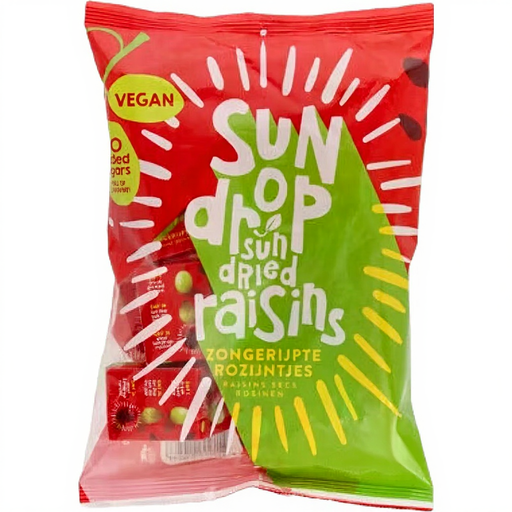
Why it suits this profile: A large pack of mini raisins is practical for everyday snacking, lunchboxes or adding to breakfast cereals.
The ingredients are clearly stated: according to the product information, the product consists of 99.5% raisins and sunflower oil.
252 grams, 4.2 grams of fibre per 100 grams according to the listed table, and ready to eat.
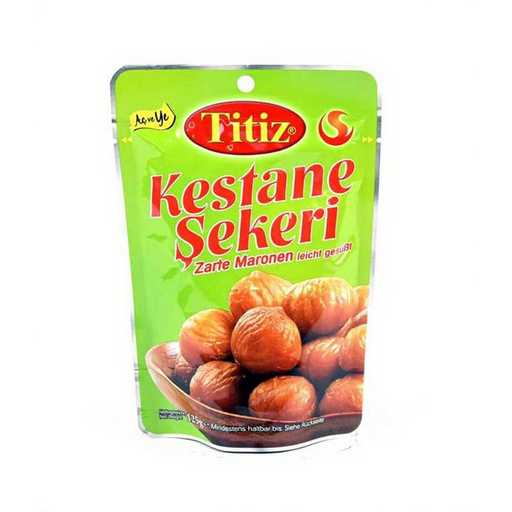
Why it suits this profile: For anyone looking for a traditional Turkish sweet snack to serve with coffee or tea.
The ingredients list mentions chestnuts and white sugar, so you know that this candied fruit is not an unsweetened chestnut.
125 grams, ready to eat and, according to the product information, free from the 14 main EU allergens.
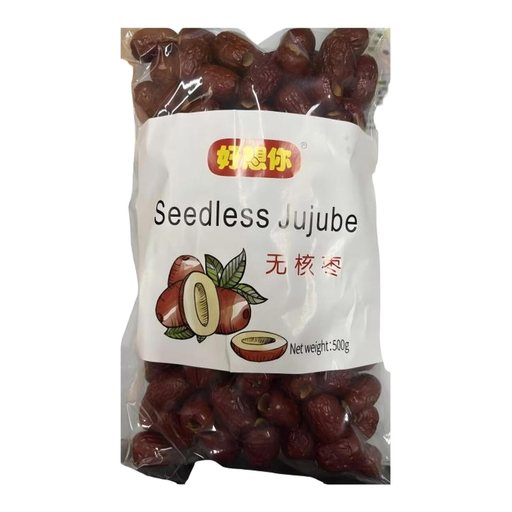
Why it suits this profile: A generous supply for anyone who enjoys dried dates on their own as well as in tea, soup, porridge or baking recipes.
The product information lists red dates as the only ingredient and states that they are pitted.
500 grams, ready to eat and, according to the description, suitable for cooking, baking and tea.
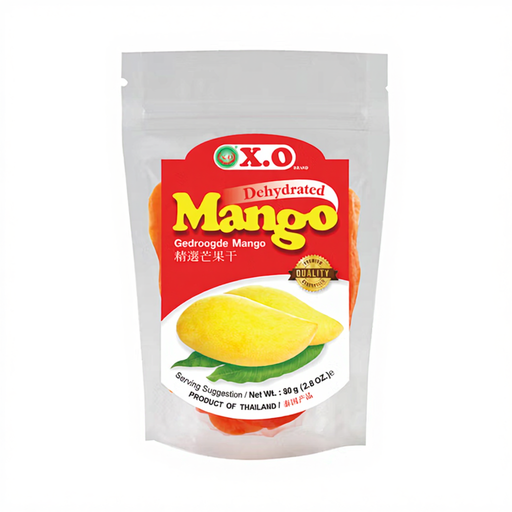
Why it suits this profile: A small pack for anyone who wants to take dried mango to work, eat it on the go or enjoy it with an Asian tea.
The product information states that it contains 65% mango pulp and also lists sugar, E110 and sulphite E223. This makes the composition clear in advance.
80 grams, ready to eat and containing 33 grams of sugar per 100 grams according to the listed nutritional information.
We have put together a complete, up-to-date list of products that fully meet these strict selection criteria and the applicable European safety regulations.
That depends on when you are eating it and on the product. A small serving of around 20 to 30 grams is practical for eating on the go or as part of a fruit mix. Check the nutritional values per 100 grams and adjust the amount accordingly.
Shelf life varies from one product to another. Store the packaging according to the label, usually in a cool, dry place away from direct sunlight. Seal the bag securely and look out for changes in smell, colour, texture or packaging. You will find the exact date on the product itself.
With dried fruit, the main process involves removing moisture from the fruit. Candied fruit is often prepared using sugar or syrup. As a result, candied chestnut, candied pineapple and some Asian fruit snacks may be sweeter than unsweetened raisins or dates. Always check the ingredients list before ordering.
