
Vandaag of morgen in huis

Kwaliteit gegarandeerd

Welkomstaanbiedingen ontgrendelen: GRATIS bezorging | Tot 80% korting | Gratis 30 dagen JoyPlus-proefperiode
Download de app
When you buy dried dates, you often look first at the price or the attractive product photo. Yet it’s the variety, whether they’re pitted or not, and the packaging that really determine how practical your purchase turns out to be. A soft Medjoul date, for example, is ideal for eating as is, while smaller red dates or jujubes are better suited to tea, soup and traditional dishes.
With this buying guide, you can compare red dates, Chinese red dates, jujubes and Medjoul dates on verifiable points. This way, you can make a more informed choice when selecting a 280 g pack, 500 g of dates, 1 kg of dates or a larger bulk supply.
With pitted dates, the stone is mechanically removed. The product information for some items notes that an occasional pit fragment or piece may remain. Always check the label, especially if you’re serving the dates to children or using them in baking.
For the Haoxiangni and Sanpangdan products, a pitted or stone-free variety is specified. That’s handy for everyday snacking, chopping and baking, but also check the usage instructions on the packaging for these products.
Many dried dates naturally contain relatively high levels of carbohydrates and sugars. So look at the ingredients list to see if it states only “dates”, “jujube” or “red dates”. The Haoxiangni varieties, Three Squirrels Red Dates and Changsi Dried Red Dates, for example, are described as products with 100% jujube or dried red dates.
Other products, however, are candied or flavoured. The Changsi Muscovado Sugar Ejiao Honey Jujube contains brown sugar, maltose, muscovado sugar and salt. The strawberry milkshake variety from Snack Dave & Jon’s contains dates, chicory root fibre, strawberry powder and flavouring. That can be tasty, but it’s a different choice from pure dried fruit.
A 1 kg bag of dates might look appealing for families or heavy users, but dried fruit can dry out or become sticky after opening. Check the best-before date, seal the packaging properly and store the product according to the label. Only buy a large size if you regularly use the dates for snacks, breakfast, baking or tea.
Jujubes, also known as Chinese red dates, generally have a different shape and texture from Turkish Medjoul dates. Red dates are popular in tea, congee, soup and desserts. They can be used whole or chopped into pieces.
Medjoul dates are often larger and softer. This makes them suitable for eating straight away, stuffing with nuts or cheese, and using them in energy bars, biscuits and smoothies. The description “Medjoul-style” isn’t automatically the same as an official quality grade. So look at the product name, origin, size and ingredients.
Look out for the terms with stone, without stone, pitted and whole. For tea or soup, a whole date with the stone can be useful, but for baking and snacking on the go, a pitted date is more practical.
The texture ranges from soft and chewy to firmer and fleshier. Product information may describe this as “soft”, “chewy”, “plump” or “firm”. Treat these terms as an indication from the product description, not a guarantee that every date will feel exactly the same.
As well as the ingredients, check the nutritional information table per 100 g. This allows you to compare packs fairly. For many pure varieties, just one ingredient is listed: dates or jujubes. Also check the allergen information and the warning about possible pit fragments.
For shoppers in the UK, it’s wise to check the product packaging for the definitive ingredients, origin, best-before date and storage instructions. Product information can vary between packs or batches.

Why this fits the profile: A compact pack to get acquainted with pitted red dates and jujubes, without committing to a large supply straight away.
The ingredients list states jujube (100%) and the product name indicates the dates are pitted. Check the packaging for any possible pit fragments.
280 g, ready to eat and suitable for tea, soup and desserts. Origin according to product information: China.
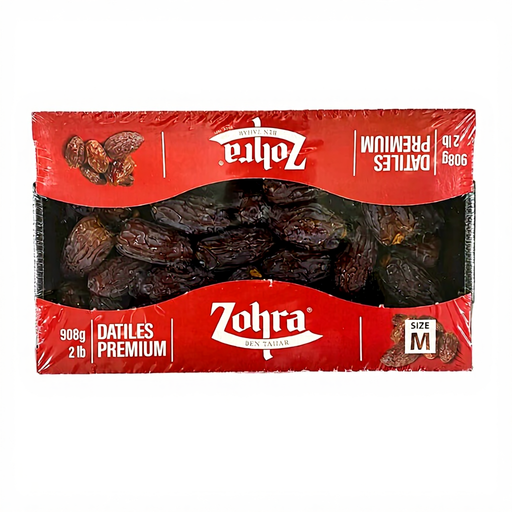
Why this fits the profile: A generous pack for fans of soft Medjoul dates who want to snack, bake or share.
The product description states that these are pitted, selected Medjoul dates with no additives or preservatives. Check the current packaging for full ingredient information.
908 g, origin: Turkey according to product information, and suitable for snacking, baking and breakfast.

Why this fits the profile: Ideal for households that regularly use jujubes in tea, soup, porridge, desserts or baking recipes.
The product information states that these are pitted red dates and that the ingredient is 100% red dates. This means you don’t need to remove the stone when cooking or chopping.
500 g, ready to eat and suitable for cooking, baking, soup and tea. Origin according to product information: China.
Dried dates can be eaten straight from the pack, chopped up for porridge or granola, and used as a sweet ingredient in biscuits and cake. Red dates are also suitable for tea and desserts. According to the product description, no-wash jujubes are eaten straight away; always follow the instructions on the packaging.
Store dried fruit in a cool, dry place, well sealed, away from direct sunlight, heat and moisture. After opening, it’s a good idea to reseal the packaging properly and use the dates as soon as possible. Also check the net weight before buying: 500 g is practical for regular use, while 1 kg is better suited to families, baking or bulk business use.
We’ve put together a full, up-to-date list of products that fully meet these strict selection criteria and comply with current European safety regulations.
No. “Dates” usually refers to date fruits such as Medjoul from, for example, Turkey. Red dates and jujubes are Chinese red dates from the jujube plant. They differ in shape, texture, flavour and use. So check the product name and country of origin.
The unopened shelf life is stated on the packaging. After opening, the quality depends on moisture, temperature and how well the bag or pot is sealed. Store them in a cool, dry place, seal the packaging properly and watch for changes in smell, colour or texture.
Yes, pitted dates are practical for cakes, biscuits, granola, smoothies and stuffed snacks. Do check the packaging for a warning about possible pit fragments. For a recipe, you can briefly soak the dates if they are too firm.
