
Vandaag of morgen in huis

Kwaliteit gegarandeerd

Welkomstaanbiedingen ontgrendelen: GRATIS bezorging | Tot 80% korting | Gratis 30 dagen JoyPlus-proefperiode
Download de app
Looking to buy dried beans for chilli, curry, soup, salads or vegetarian meals? The choice might seem straightforward, but the type of bean, packaging and preparation can all affect the result. A 500 g bag isn’t automatically better value than a smaller pack, and the name “red beans” doesn’t always tell you exactly which bean you’re buying.
Look out for these three common pitfalls:
The right type depends mainly on your recipe and the texture you’re after.
If a product has a general name, always check the ingredients list. For example, FEN DU XIANG’s product information lists “red adzuki beans”, while the product name refers to red kidney beans. So if you’re specifically looking for kidney beans, it’s worth checking the type on the label.
For plain dried pulses, ideally there should be just one ingredient listed, such as “kidney beans (100%)” or “chickpeas (100%)”. Also check the net weight:
Look out for conflicting information, too. A Nitya Red Kidney Beans listing states both 1 kg and, in its description, 2 kg. In this situation, check the current packaging and product page before placing your order.
Always compare products on the same basis: per 100 g. Check the protein, carbohydrates, fat, fibre and salt. Values can vary by type and brand.
For example, Goya Red Kidney Beans Dry lists 21.4 g of protein per 100 g. Goya Dried Black Beans lists around 21.6 g of protein and approximately 16.6 g of fibre per 100 g. This makes these products worth considering for meals with plant-based protein and high-fibre beans, but it doesn’t mean they’re automatically the right choice for everyone.
Brand product information isn’t personal nutrition advice. If you follow a specific diet, check the full packaging and, if needed, make your choice based on your own dietary requirements.
Dried beans generally need to be sorted, rinsed, soaked and cooked until fully tender. The exact time varies depending on the type, age and size of the beans.
A practical approach:
Store unopened packs in a cool, dry place away from direct sunlight. Seal an opened bag tightly or transfer the beans to an airtight container. This helps limit moisture absorption and the risk of insects.
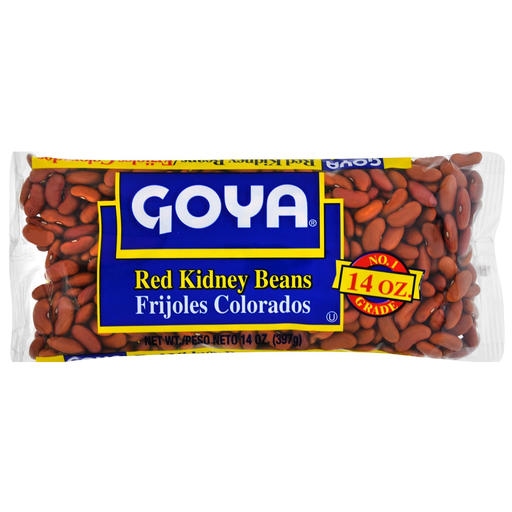
Why it suits this shopper: The 397 g pack is a manageable size if you’re trying dried kidney beans for the first time in chilli, soup or rice and beans.
The ingredients list names red kidney beans as the only ingredient. Even so, always check the preparation instructions on the pack.
397 g net weight; according to the product information, 21.4 g of protein per 100 g. Suitable for dishes including chilli, salads and rice dishes.
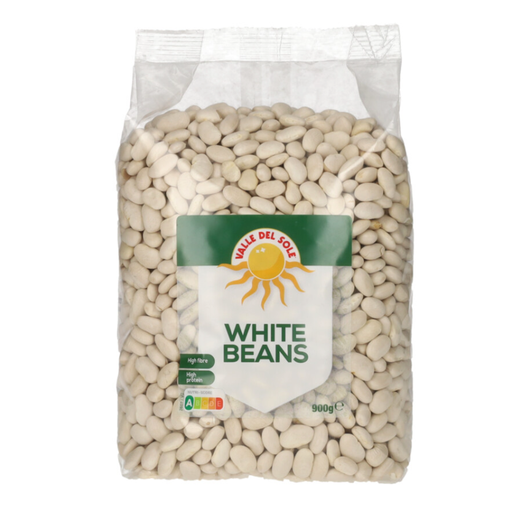
Why it suits this shopper: This medium-sized pack is a good fit for home cooks who want to use white beans in soups, stews and salads.
The product description clearly identifies these as dried white beans. Check the label for the latest preparation and allergen information.
500 g pack; according to the product description, suitable for soups, stews, salads and traditional dishes.
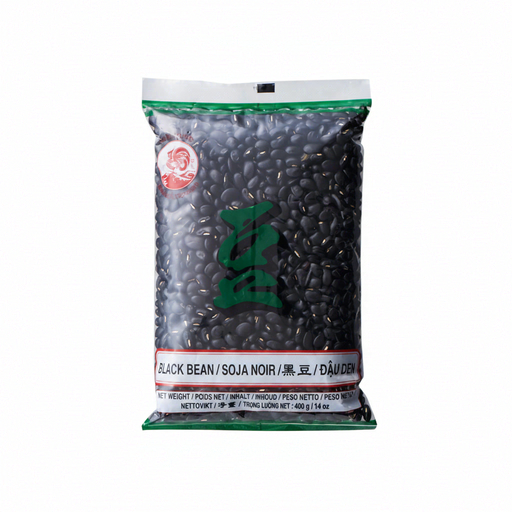
Why it suits this shopper: A practical choice if you regularly cook Asian, Mexican or vegetarian dishes and like to keep black beans in stock.
The pack states that it contains 100% black beans and gives storage instructions for after opening.
400 g; according to the product information, 24 g of protein per 100 g, with no added salt. Suitable for soups, rice dishes and burritos.
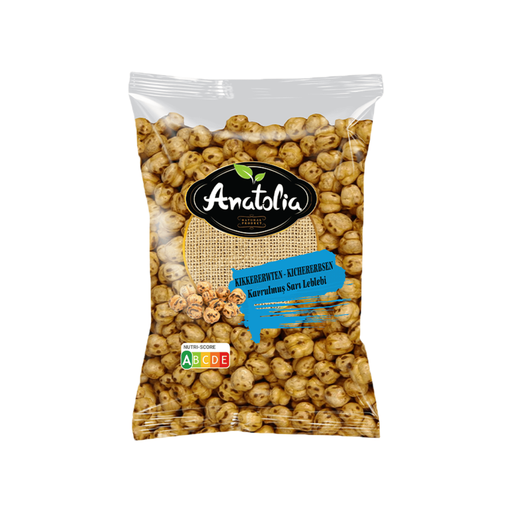
Why it suits this shopper: Chickpeas are versatile in salads, curries, soups and hummus, so one pack can be used in a range of recipes.
The ingredients list identifies chickpeas as the sole ingredient (100%). Check the pack for the current best-before date and preparation method.
500 g; according to the product information, 7.5 g of protein and 3.6 g of fat per 100 g. Suitable for dishes including curry, salads and stews.
We’ve put together a complete, up-to-date list of products that meet these strict selection criteria and the applicable European safety regulations.
Soaking is usually recommended, as it can reduce cooking time and help the beans cook more evenly. Always follow the instructions on the pack. Some smaller pulses need less soaking time, while large white beans or kidney beans may need longer.
Unopened dried beans generally keep for a long time when stored in a cool, dry, dark place. The official best-before date is printed on the pack. Once opened, seal the bag tightly or store the contents in an airtight container. Discard the beans if you see mould, notice an unusual smell or spot clear signs of moisture damage.
It depends on the price per 100 g, the pack size and how much you use. A 1 kg bag of beans can be practical if you use them often, but you’ll need to plan ahead for soaking and cooking. Tinned beans are quicker to use, but sometimes contain water and salt. So compare the net weight, ingredients and nutritional values rather than looking at the price on the front alone.
