
Vandaag of morgen in huis

Kwaliteit gegarandeerd

Welkomstaanbiedingen ontgrendelen: GRATIS bezorging | Tot 80% korting | Gratis 30 dagen JoyPlus-proefperiode
Download de app
If you’re looking to buy dried pulses, you’ll soon come across dozens of varieties, pack sizes and origins. A 1 kg bag may seem like good value, but it isn’t always practical if you only cook them occasionally. On the other hand, with ready-to-eat beans, you’re mostly paying for convenience and the weight of the water.
The right choice depends on your recipe, cooking time, storage space and preferred portion size. Use these checks to compare products based on objective information, rather than eye-catching claims on the packaging.
Dried beans, lentils and chickpeas keep for a long time when stored in a cool, dry, airtight place. Even so, a large bag can be impractical if you don’t cook them often. You’ll also need to allow time for soaking and cooking. So compare the price per 100 grams, as well as the amount you’ll actually use once they’re cooked.
A 400 to 500 gram pack is often a manageable size for a household wanting to try new ingredients. For meal prep, large families or regular cooking, 1 kg packs may make more sense.
Product pages sometimes feature nutrition claims from the brand. According to information provided by the manufacturer or supplier, products may contain a certain amount of protein or fibre, for example. Always check the nutrition table per 100 grams and see whether it refers to the dried or cooked product.
For example, Nitya Kala Chana contains 20 grams of protein per 100 grams in its dried form. For a ready-to-eat product, the nutritional value per 100 grams is usually different because of its water content. So don’t use the claim as your only buying criterion.
“Chickpeas”, “kala chana”, “mung beans”, “adzuki beans” and “kidney beans” each have their own texture and cooking requirements. Black chickpeas are smaller and firmer than regular chickpeas. Split, peeled mung beans cook faster than whole mung beans. Kidney beans work well in chilli and stews, but dried kidney beans must be cooked thoroughly before you eat them.
Always check the ingredients list, cooking instructions and country of origin on the packaging.
Dried pulses give you more flexibility in how you prepare them and are handy to keep in the cupboard. Check whether they need soaking and how long they need to cook. Lentils and split mung beans often don’t need a long soak, while black beans, chickpeas and kidney beans usually benefit from soaking first.
Ready-to-eat beans are convenient for a quick salad, soup or curry. Check for water, salt and any other additions. According to the product information, Duru Pratik Cooked White Beans contains white beans, water and salt. Once opened, it should be kept in the fridge and used within the stated time.
Compare packs by net weight, not just by the number of servings mentioned in marketing copy. For dried products, you’ll find the nutritional value per 100 grams of dried product. For tinned or jarred products, the drained weight may be relevant.
For example, the product information for HEYU Mung Beans lists 23,2 grams of protein per 100 grams and a pack size of 400 grams. Nitya Red Split Lentils is sold in a 1 kg pack and lists 26 grams of protein per 100 grams. These are product specifications; your daily nutritional needs depend on your overall diet.
Check the allergen information if you have an allergy or want to avoid cross-contamination. Some products don’t contain any of the 14 major EU allergens, but are packed in an environment where nuts, peanuts, gluten or sesame may be handled.
Store opened dried pulses in a dry, airtight container, away from direct sunlight and moisture. Check the current packaging, best-before date and cooking instructions each time you buy. If the information on a product page differs, follow the packaging.
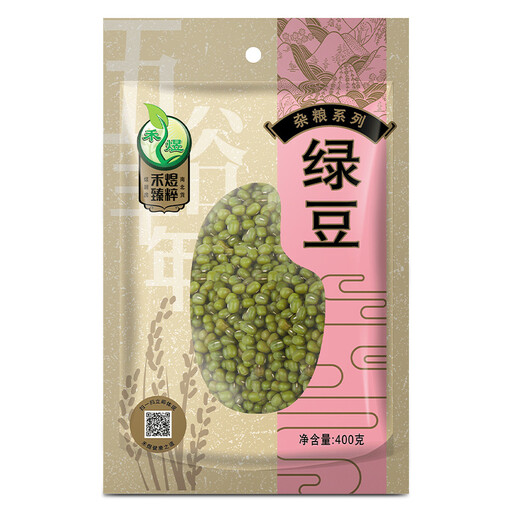
Why it suits this shopper: A manageable pack for anyone wanting to try mung beans in soup, porridge or an Asian dish. The instructions recommend washing and cooking on the hob.
The weight, nutritional value and cooking method are clearly stated, so you don’t have to rely on a general protein claim alone.
400 g pack; 23,2 g of protein per 100 g according to the product information; suitable for cooking on the hob.
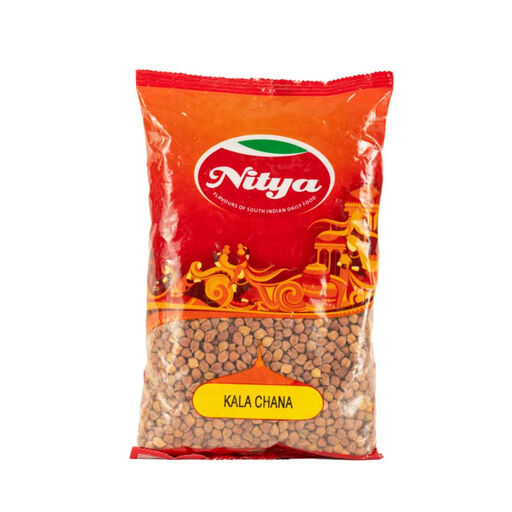
Why it suits this shopper: For home cooks who regularly use Indian pulses in curries, soups or salads and are looking for a firm variety of chickpea.
The product information lists the variety, ingredients, storage details and nutritional values. Be sure to check the actual net weight on the packaging.
Kala chana as the sole ingredient; 20 g of protein per 100 g according to the product information; suitable for curries and salads.
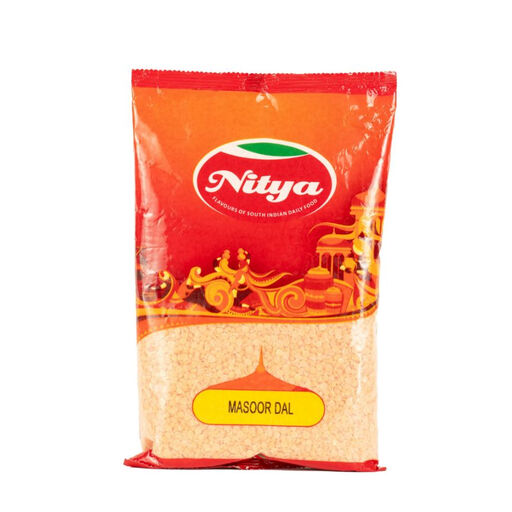
Why it suits this shopper: A handy cupboard staple for anyone who often makes dal, lentil soup, curry or meals to last several days.
The pack is designed for larger quantities. Check you have enough storage space and seal the bag airtight after opening.
1 kg pack; split red lentils; 26 g of protein per 100 g according to the product information.
Ready-to-eat beans save you the time spent soaking, cooking and cooling them. They’re handy plant-based ingredients for a quick salad, soup or wrap. For example, Sera Haslanmis Nohut 400 g can be used straight away after draining and, if you like, rinsing. Duru Pratik Cooked White Beans is designed for use in rice dishes, soups and stews, among other things.
For these products, check the salt content, ingredients list, drained weight and storage instructions after opening. Dried varieties need more planning, but give you control over how soft they are and how they’re seasoned.
We’ve put together a complete, up-to-date list of products that meet these strict selection criteria and the applicable European safety regulations.
It varies by product and packaging. Store them in a cool, dry, airtight place and follow the date on the packaging. Older beans may take longer to soften.
Not always. Lentils and some split mung beans are often cooked straight away. Chickpeas, black beans and kidney beans usually need more preparation. Follow the instructions for the specific product.
Dried pulses are often good value by dry weight, but they require water, cooking time and planning. Ready-to-eat beans generally cost more per usable portion, but save you preparation time. Compare the price, net weight and convenience against your cooking routine.
