
Vandaag of morgen in huis

Kwaliteit gegarandeerd

Welkomstaanbiedingen ontgrendelen: GRATIS bezorging | Tot 80% korting | Gratis 30 dagen JoyPlus-proefperiode
Download de app
If you’re looking to buy dog food, it’s easy to feel overwhelmed by all the bags, flavours and marketing claims. “Premium”, “natural” and “grain-free” may sound appealing, but they don’t tell you on their own whether a product is right for your dog. The best choice depends above all on your dog’s age, size, activity level and the food’s ingredients, as well as whether you’re looking for a complete meal or just a snack.
Not every product containing meat or fish is suitable as a daily meal. According to the product information, products such as INABA Churu and INABA Fun Bites are complementary pet food. They’re intended as a reward, topping or training snack, and aren’t a substitute for a complete meal.
So check the legal designation on the packaging:
Grain-free dog food may suit a dog whose diet you want to keep free from grains, but it isn’t automatically necessary or suitable. Check the alternative sources of carbohydrates too, such as peas, chickpeas or sweet potato. Also check the protein and fat content, and the recommended portion size.
If your dog has ongoing digestive problems or you suspect a food allergy, it’s best to speak to a vet first. Marketing claims about sensitive stomachs, skin or coats are no substitute for personalised nutritional advice.
Dog food with chicken, lamb or beef may sound appealing, but the exact ingredients matter more than the name on the front of the pack. Check how much of the named ingredient is actually included and which other animal protein sources have been added. This is especially important if you’re trying to avoid a particular protein source.
Puppy food is formulated for the growth stage. For adult dogs, choose food designed for adult dogs, with feeding advice that takes their weight and activity level into account. Large breeds often have different portion and growth requirements from small dogs. So look out for labels such as:
A small kibble may be easier for a dog weighing around 10 kg or less to eat. For large dogs, the feeding guidelines for their body weight are particularly important. For example, ACANA Puppy Large Breed is described in the product information as being for puppies expected to weigh at least 30 kg as adults.
Compare at least:
A high protein percentage doesn’t automatically mean that a food is suitable for every dog. For example, Orijen Original lists 38% crude protein and 18% crude fat, while other products contain considerably less. An active dog may have different energy requirements from a less active pet.
Check the portion guide too. A small bag of food with a higher energy density may require fewer grams per day than a larger bag with a lower energy density. So compare the cost per daily portion, not just the price per pack.
Dog kibble and other dry foods are easy to portion and store. They’re practical for daily meals and often come in large packs. Wet dog food generally contains a lot of moisture and can be useful for adding variety, but opened packs should be refrigerated and used within the stated period, according to the label.
Dog treats are suitable for training or as an extra. Remember to take the total daily amount into account. According to the product information, INABA Churu Dog Multipack contains at least 90% moisture and consists of 20 tubes of 12 grams. The manufacturer recommends one to two tubes a day as a treat, depending on the dog. The product isn’t a substitute for complete food.
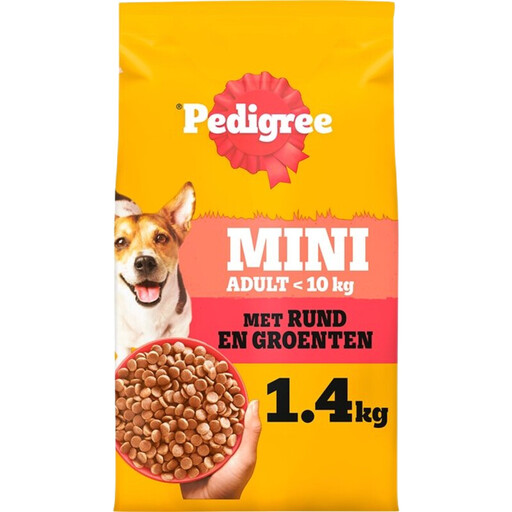
Why it suits this profile: This 1.4 kg pack is a manageable choice if you’re buying food for small breeds for the first time. According to the product information, the kibble is intended for adult dogs weighing up to 10 kg.
The product information lists the intended dog, kibble size, daily feeding guidelines and analytical constituents. That means you can base your choice on verifiable information rather than just the flavour name.
Dry food for small adult dogs, with 22% crude protein, in a 1.4 kg pack.
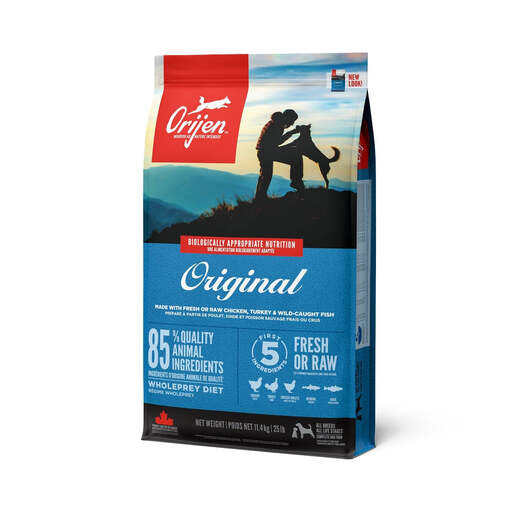
Why it suits this profile: This large pack is aimed at dog owners looking for a wide range of ingredients and a supply that will last longer.
The product information specifies the ingredients, analytical constituents and feeding guidelines. Introduce the food gradually, following the label.
38% crude protein, 18% crude fat, with chicken, turkey, herring, cod and egg listed as ingredients.
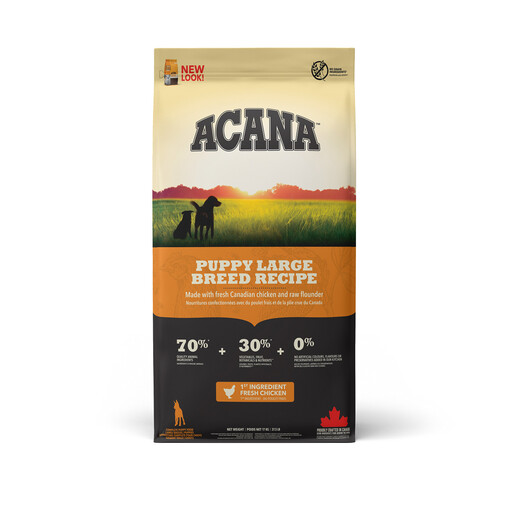
Why it suits this profile: According to the product information, this puppy food is intended for large-breed puppies expected to weigh at least 30 kg as adults.
The intended audience is clearly defined. Check the final feeding amount on the label and adjust it according to your puppy’s age, weight and activity level.
17 kg pack, designed for large-breed puppies, with chicken, egg, flatfish, fruit and vegetables according to the product description.
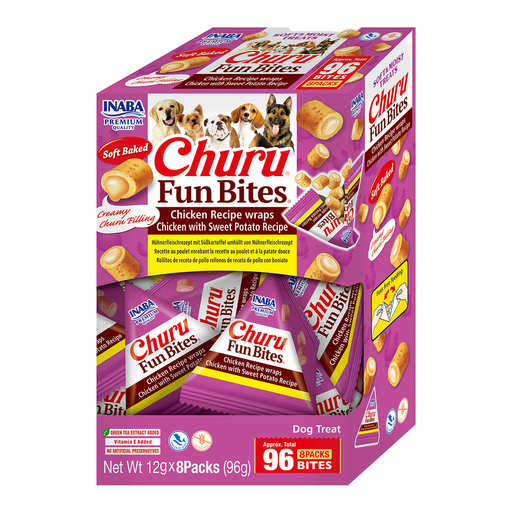
Why it suits this profile: The handy 40-gram pack of soft treats is ideal for training, taking out and about, or giving your dog a small reward between meals.
The packaging clearly states that this is complementary pet food. That way, you can use the snack alongside a complete meal rather than as your dog’s main food.
82% moisture, chicken with sweet potato, and a recommended serving of one to two packs a day as a reward.
We’ve put together a complete, up-to-date list of products that meet these strict selection criteria and the applicable European safety regulations.
Look for a clear formulation that isn’t unnecessarily complex, and follow the transition period on the label. According to the product description, products such as Eukanuba Life Care Adult Small/Medium Lamb & Rice are marketed for adult small and medium-sized dogs with sensitive stomachs. This is a product claim made by the brand, not a guarantee for every dog. If symptoms keep returning, it’s best to ask a vet for advice.
Gradually mix the new food in with the old food. A transition period of around seven to ten days is recommended for some products. Start with a small proportion of the new food and increase it step by step. Keep an eye on your dog’s stools, appetite and body condition. Don’t stop feeding a diet prescribed by a vet without their advice.
Not always. Work out the price per kilogram and per recommended daily portion. A bag of premium dog food may cost more, but the daily amount can vary depending on its nutritional density. Always check the portion guide and take your dog’s weight and activity level into account before buying.
