
Vandaag of morgen in huis

Kwaliteit gegarandeerd

Welkomstaanbiedingen ontgrendelen: GRATIS bezorging | Tot 80% korting | Gratis 30 dagen JoyPlus-proefperiode
Download de app
The dog food aisle can be overwhelming. Packaging with glossy photos and promises of a "happy, healthy dog" doesn't make the choice any easier. As a Product Recommendation Officer at Joybuy, I see well-intentioned owners fall into common traps every day. Before you buy dog food, it's helpful to know what to look for.
Two common missteps are:
You don't need to be a nutritionist to make an informed choice. By paying attention to a few key points, you can cut through the marketing messages and choose a food that fits your dog and your budget.
The ingredient list is your most important tool. Ingredients are listed by weight, with the heaviest ingredient first.
The choice between different types of food depends on your dog's preference, your budget, and practical considerations.
For dogs with specific sensitivities, there is also hypoallergenic dog food, which is often formulated with a single protein source (mono-protein) to minimise the risk of an allergic reaction.
Based on clear product specifications, we have selected a few options that cater to the different needs of dog owners.
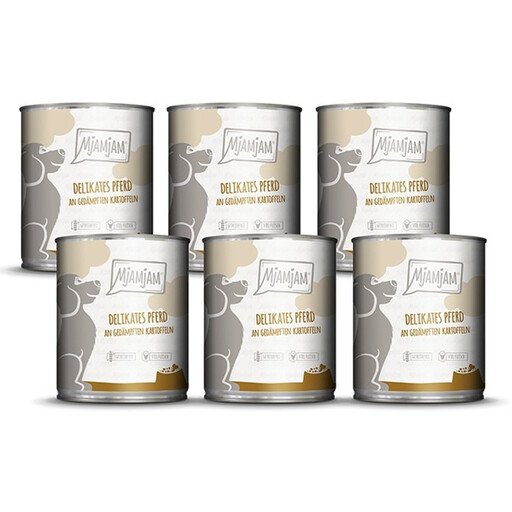
Why This Fits Their Persona: This wet food is ideal for owners of dogs that react to common proteins like chicken or beef. Horse meat is a less common protein source, making it often suitable for an elimination diet or for dogs with a known food intolerance.
This product avoids the trap of vague ingredients. The composition is clear: 63% horse (meat, lungs, hearts), broth, and potatoes. No hidden allergens or unclear "by-products".
Mono-protein (single animal protein) and grain-free. This makes it a very straightforward and easily digestible meal, which reduces the risk of digestive issues.
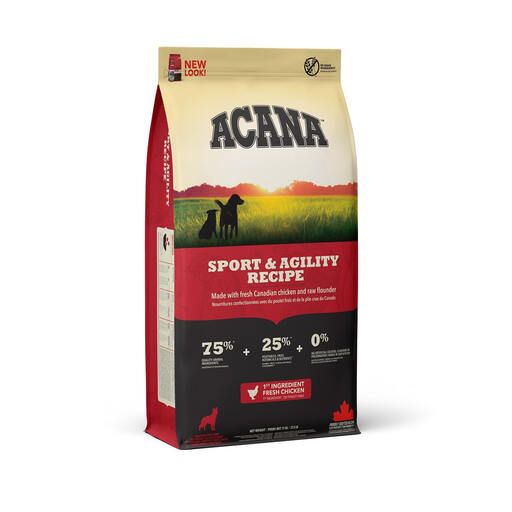
Why This Fits Their Persona: Perfect for dogs that go on long walks, participate in canine sports, or simply have a high energy level. The formula is specifically designed to support sustained energy and endurance.
This food provides the necessary fuel without the "one-size-fits-all" approach. It is specifically formulated for active dogs and contains no unnecessary fillers like corn or wheat, which are often found in cheaper "performance" foods.
Rich in animal ingredients (75%), with a high protein (33%) and fat content (19%) for optimal performance. The addition of freeze-dried liver provides a natural flavour.
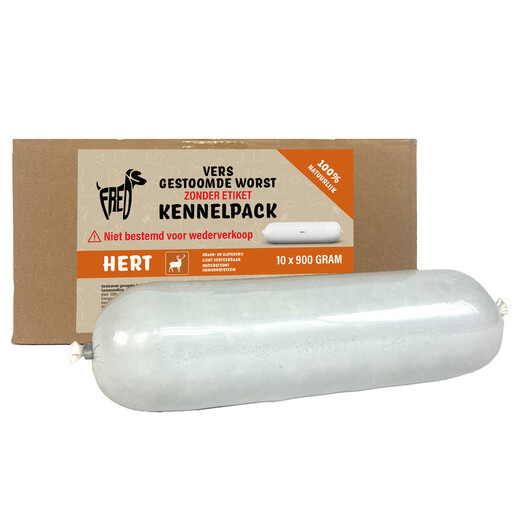
Why This Fits Their Persona: The name "Kennel Pack" says it all. This bulk pack of 10 x 900g sausages is a practical and relatively cost-effective solution for those who have multiple mouths to feed daily, such as breeders or pack owners.
Bulk packs are sometimes associated with lower quality. However, this product offers a complete, grain-free meal in a large quantity without compromising on the basic quality of the ingredients.
A complete food in sausage form that is easy to portion. It has a very high meat content (30% deer, 65% poultry) and is grain- and gluten-free.
We have compiled a complete, up-to-date list of products that meet these selection criteria and current regulations.
A sudden change in food can cause gastrointestinal upset. A gradual transition is recommended. Over 7 to 10 days, mix increasing amounts of the new food with the old food, following this schedule:
Although the terms are sometimes used interchangeably, they do not mean the same thing.
A good rule of thumb is the 10% rule: dog treats should not make up more than 10% of your dog's daily calorie intake. If you give treats, it's wise to slightly reduce the portion of their main meal to prevent excess weight gain. Always check the treat packaging for feeding guidelines.
