
Vandaag of morgen in huis

Kwaliteit gegarandeerd

Welkomstaanbiedingen ontgrendelen: GRATIS bezorging | Tot 80% korting | Gratis 30 dagen JoyPlus-proefperiode
Download de app
Buying dark chocolate might seem straightforward, but the label often tells you more than the front of the wrapper. A dark colour doesn’t automatically mean a bar has a high cocoa content. Terms like “intense”, “premium” or “dark” also say very little without checking the ingredients list and nutritional information.
For British shoppers, there are three main pitfalls to watch out for:
Use the points below to compare products without relying solely on marketing claims.
The cocoa percentage tells you what proportion is made up of cocoa ingredients. This includes cocoa mass, cocoa butter and cocoa powder. The percentage doesn’t tell you everything about the taste, but it does help with an initial comparison.
Be aware of the difference between the product name and the actual specification. Tony’s Chocolonely Dark 70% states at least 70% cocoa solids, while Lindt Excellence 78% Cocoa contains at least 78% cocoa. So always compare the label, not just the words “extra dark” or “intense”.
A higher cocoa percentage doesn’t automatically mean a product is low in sugar or calories. The nutritional values per 100 grams give a fairer picture.
For example:
If you’re mainly after a pronounced cocoa flavour, it’s better to choose a dark bar without caramel or milk ingredients. If you prefer a milder taste, you might benefit from a variant with nuts, caramel or orange.
Dark chocolate often contains soya as an emulsifier and may contain milk or traces of it. With chocolate containing nuts, pay extra attention to mentions such as hazelnut, almond or “may contain other nuts”.
Before ordering, check:
A 100-gram pack is handy for comparing different flavours side by side. A 180-gram format, like Tony’s Chocolonely Dark 70%, is better suited to sharing, baking or regular use.
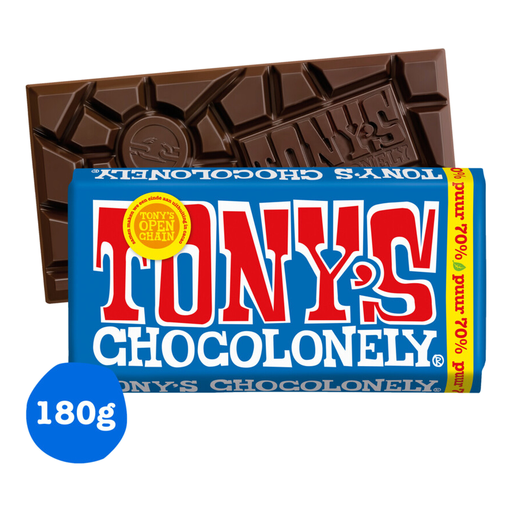
Why this fits the profile: The cocoa content is clearly stated on the packaging, and the 180-gram format is suitable for sharing or using in recipes.
The statement “at least 70% cocoa solids” makes comparison easier than a vague claim like “dark”.
At least 70% cocoa, 180-gram content and suitable for pairing with coffee or using in a recipe.

Why this fits the profile: This bar is aimed at lovers of a powerful, low-sweetness cocoa flavour with a short ingredients list.
The cocoa percentage is clearly stated, and according to the product information, the ingredients list consists of cocoa mass, cocoa butter, cocoa powder, sugar and vanilla.
90% cocoa, 7 grams of sugar per 100 grams and 100-gram content.
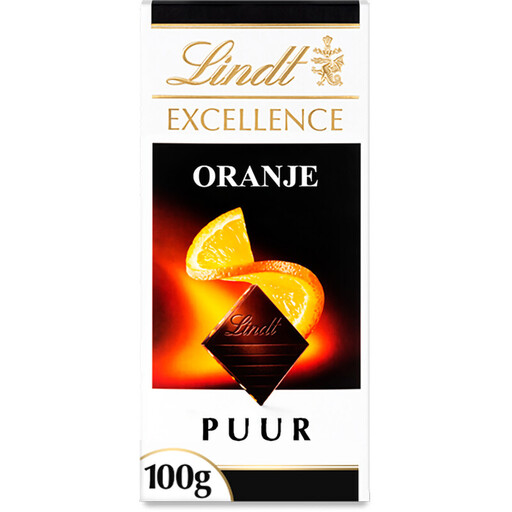
Why this fits the profile: The combination of dark chocolate with orange and almond offers more variety than a standard chocolate bar.
The flavourings are specified: the product information states 7% orange preparation and 7% almonds.
100 grams, orange and almond pieces, and at least 48% cocoa solids according to the product information.
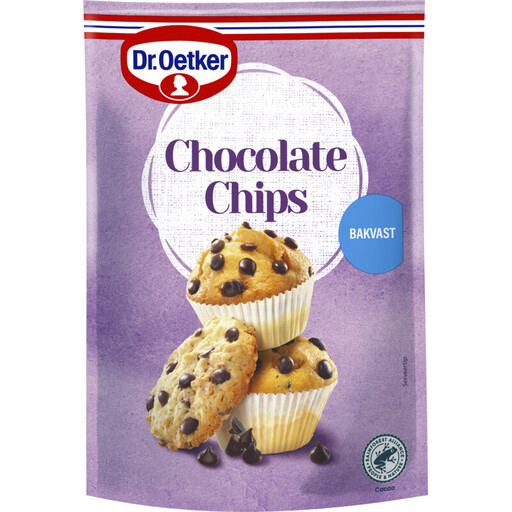
Why this fits the profile: These dark chocolate drops are intended for brownies, muffins, biscuits and decoration, not as a regular chocolate bar.
The product description specifically states that the drops are baking-stable and hold their shape.
100-gram content, suitable for baking and, according to the product information, can be melted for dessert decoration.
We’ve put together a full, up-to-date list of products that fully meet these strict selection criteria and comply with current European safety regulations.
No. Dark chocolate is available with different percentages, such as 47%, 70%, 78%, 85% and 90%. Check the exact cocoa content on the packaging. A product with caramel, milk ingredients or a filling can also have a different nutritional profile to a plain dark bar without additions.
Store chocolate in a cool, dry place, out of direct sunlight and away from heat and moisture. A fridge is usually not necessary. Seal the packaging well after opening to limit odour and flavour transfer. If in doubt, always refer to the storage advice on the packaging.
A bar with 70% cocoa is often practical for everyday eating and baking. Variants with 78% or 90% cocoa suit a pronounced cocoa flavour and can be served alongside coffee. For brownies, muffins and biscuits, chocolate drops are more convenient, as they hold their shape better during baking according to the product description.
