
Vandaag of morgen in huis

Kwaliteit gegarandeerd

Welkomstaanbiedingen ontgrendelen: GRATIS bezorging | Tot 80% korting | Gratis 30 dagen JoyPlus-proefperiode
Download de app
Want to buy curry sauce, but unsure whether to choose a ready-made sauce, Thai curry paste or Japanese curry mix? The difference is not just in the flavour. Preparation time, serving size, allergens, heat level and shelf life all help determine whether a product is right for your household.
Words such as “rich”, “traditional” or “authentic” on the packaging do not, on their own, tell you very much. Instead, pay close attention to the ingredients list, nutritional information and preparation instructions. This will help you avoid buying a large jar that does not suit your dishes or choosing a mild sauce when you are actually looking for a hot curry.
A curry sauce usually only needs heating before being combined with rice, vegetables, meat or a meat substitute. Curry paste is more concentrated. You will often fry it briefly first, then loosen it with coconut milk, stock or water. A curry spice mix generally contains dried spices and thickening agents, and requires additional ingredients.
If you want to cook quickly, a ready-made sauce is often the more practical choice. If you prefer to control the strength and texture yourself, Thai curry paste or Indian curry sauce may be more suitable.
A yellow curry paste is not necessarily completely mild, and a red curry paste is not always extremely hot. The type of chilli used, the amount of paste and the cooking method all make a difference. According to the product description, Koh Thai Yellow Curry Paste is the mildest variety among the Koh Thai curry pastes mentioned and has a slightly sweet flavour. Still, always check the label and, if in doubt, start with a smaller amount.
Check the allergen information when you want to prepare a vegan curry. A product may be suitable for vegetarians but still contain milk. According to the product information, Patak’s Indian Korma Curry Sauce is described as vegetarian, but contains milk. Hela Curry Sauce and Remia Curry Sauce are described in the supplied product information as vegan and fully plant-based respectively. Always check the current packaging before use, particularly if you have allergies or intolerances.
First, choose the type of dish you want to make:
Look out for words such as mild, medium hot, hot and extra hot. These descriptions vary between brands and are not always directly comparable. With curry paste, it is easier to build up the flavour gradually. For example, Mae Ploy’s product description states that you can halve the amount of paste for a milder flavour.
A mild curry is practical for families and diners who are not used to much chilli. A hot curry is more suitable if you enjoy adding extra chilli, pepper or sambal. Serve coconut milk, yoghurt or a plant-based alternative separately if you want to adjust the heat at the table.
A 400-gram jar may seem good value, but check how many grams you use per meal. A large pack is especially practical if you cook regularly or prepare meals in advance. For occasional use, a smaller pack can help reduce waste.
Also compare salt, sugar, fat and allergens per 100 grams. According to the product information, Hela Curry Sauce contains 29 grams of sugar and 2 grams of salt per 100 grams. This makes the sauce more suitable as a flavouring or table sauce than as the sole base for a meal. Thai curry pastes often contain relatively high levels of salt, so add extra soy sauce or salt sparingly.
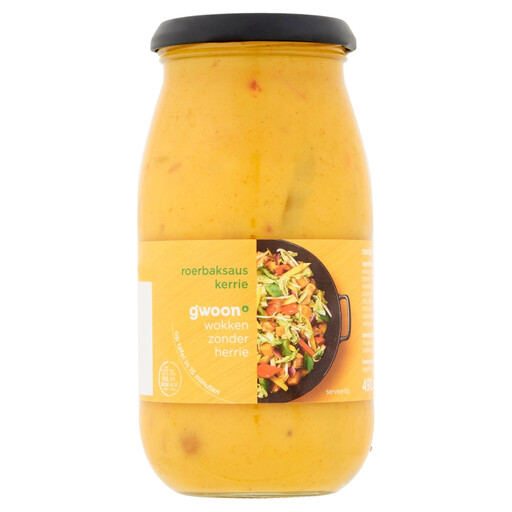
Why it suits this profile: This ready-made sauce is intended for stir-fries and helps beginner home cooks quickly prepare a meal with vegetables, rice or noodles.
The product description clearly states how to use it: for stir-frying. There is no need to combine it with paste, coconut milk or an additional thickening agent.
490 grams; suitable for stir-fries; contains milk and egg, so check the allergen information.
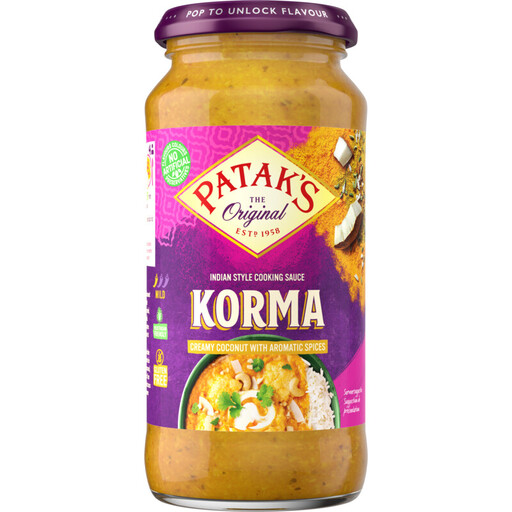
Why it suits this profile: If you are looking for a creamy Indian meal with a set preparation method, this sauce is described as intended for korma with rice and vegetables.
The product information mentions a mild korma and a preparation time of around 15 to 20 minutes. However, do check for the presence of milk.
450 ml; creamy base with coconut and spices; described as suitable for vegetarians.
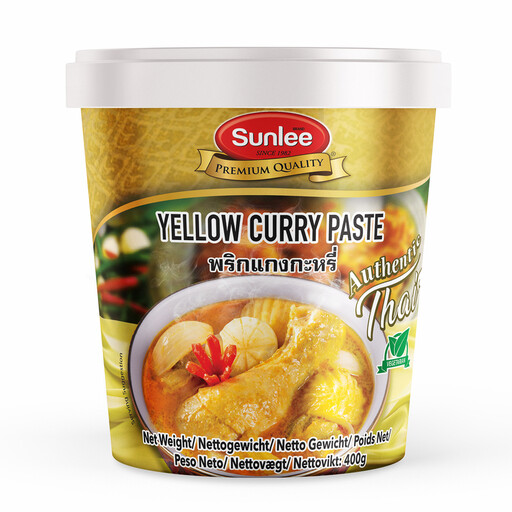
Why it suits this profile: The 400-gram pack is suitable for regular cooks, families and anyone wanting to prepare several vegan curries, soups or marinades.
The product description states that it is vegan and gluten-free. Check the current packaging if you have allergies, as the information also mentions possible traces.
400 grams; made with herbs and spices; can be combined with coconut milk, tofu and vegetables.
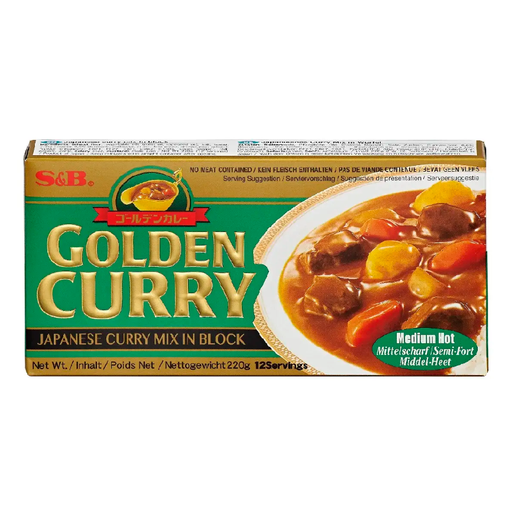
Why it suits this profile: According to the product description, the blocks dissolve in water and are intended for several servings with rice, noodles, meat and vegetables.
The product format makes it clear that this is a curry mix rather than a liquid sauce. Please note: the ingredients list includes wheat.
220 grams; suitable for family meals; can be used with rice, noodles and a variety of vegetables.
We have put together a complete, up-to-date list of products that fully meet these strict selection criteria and the applicable European safety regulations.
When using curry paste, start with a small amount of oil and fry the paste briefly over a low to medium heat. Then add coconut milk or stock, and taste before adding extra salt. With a ready-made sauce, it is usually sufficient to heat the sauce gently while cooking fresh ingredients separately.
Store an opened jar according to the label. Many products need to be refrigerated after opening. If necessary, note the date you opened it, and always follow the use-by or best-before information on the packaging. Do not use damaged packaging.
A mild curry, such as a korma or yellow curry paste, is often a sensible choice if you want little heat. Add the paste gradually and, if they wish, let adults add their own chilli.
Curry sauce is usually ready to use straight away. Curry paste is more concentrated and is generally fried first, then diluted with coconut milk, water or stock. This gives you better control over the strength and quantity.
This varies from product to product. Follow the instructions on the packaging and, where indicated, keep an opened sauce or paste in the fridge. Check the smell, appearance and use-by or best-before date before using the product.
